Questioning Mold Testing in Evanston After a Small Leak
A small leak in your Evanston home can be easy to brush off. Maybe a dishwasher hose dripped, a toilet seal wept a bit, or water showed up on the ceiling after a quick fall storm. You mop it up, run a fan, and the surface looks dry. It is tempting to call it fixed and forget it.
The problem is that water does not always stay where you can see it. Even a short leak can soak into walls, cabinets, and subfloors. That trapped moisture is what mold loves. In this article, we will talk about when mold testing in Evanston makes sense after a small leak, when it might be unnecessary, and how to keep your family safer as homes stay closed up in cooler weather.
How Small Leaks Turn Into Big Mold Problems
Water almost never moves in a straight line. With pinhole pipe leaks, slow toilet seals, or a tiny gap around a window, water can:
- Travel sideways along framing and baseboards
- Wick up into drywall and insulation
- Soak carpet pads and subflooring under the surface
- Pool behind cabinets or inside wall cavities
Even if the floor looks dry, the materials underneath may still be damp. Mold spores are already in the air around us. Once they land on wet drywall, wood, or dust, they can begin to grow in as little as a couple of days. You may not see anything at first, especially if the leak was behind a wall or under flooring.
As temperatures drop around Evanston and nearby suburbs, windows stay closed more often. Indoor humidity can rise from showers, cooking, and heating systems. That warm, trapped air can slow drying and help mold spread inside enclosed spaces.
After a leak, some common warning signs include:
- A musty or earthy odor that will not go away
- Subtle yellow or brown stains on walls or ceilings
- Peeling paint, bubbling trim, or warped wood
- Recurring congestion or "allergy" symptoms that feel worse at home
This is why the size of the leak you saw is not always a good guide. A "small" drip can lead to a much larger pocket of soaked material behind the scenes.
When Mold Testing in Evanston Makes Sense
Mold testing in Evanston usually means a detailed inspection plus air or surface samples. The goal is to find out if mold is present, how much is there, and sometimes what types are active. Testing can be helpful when the picture is not clear.
Testing is often worth considering if:
- Someone in the home has ongoing cough, congestion, headaches, or breathing issues that feel worse at home, especially kids, older adults, or anyone with asthma or weak immune systems
- The leak was hidden or may have been going on for a long time, such as in an attic, crawlspace, or behind a wall, and you do not know how far water traveled
- There is a real estate sale or purchase, and a buyer, seller, or lender wants written documentation about mold conditions and cleanup
Testing can also help when:
- You suspect mold but cannot find any visible growth
- You have gotten different opinions and need clear data
- You want a baseline before cleanup so you can compare air quality later
For a qualified restoration team, test results are not just numbers on a report. They help map out where mold is likely hiding, guide decisions about where to open walls or remove material, and prevent random demolition. That way, the work stays focused on the areas that truly need attention.
When You Can Skip Testing and Focus on Fixing Mold
Not every mold situation needs lab testing first. If the mold is clearly visible, small in area, and linked to a known leak, it may be smarter to put your budget into cleanup instead of testing.
In many homes, this might look like:
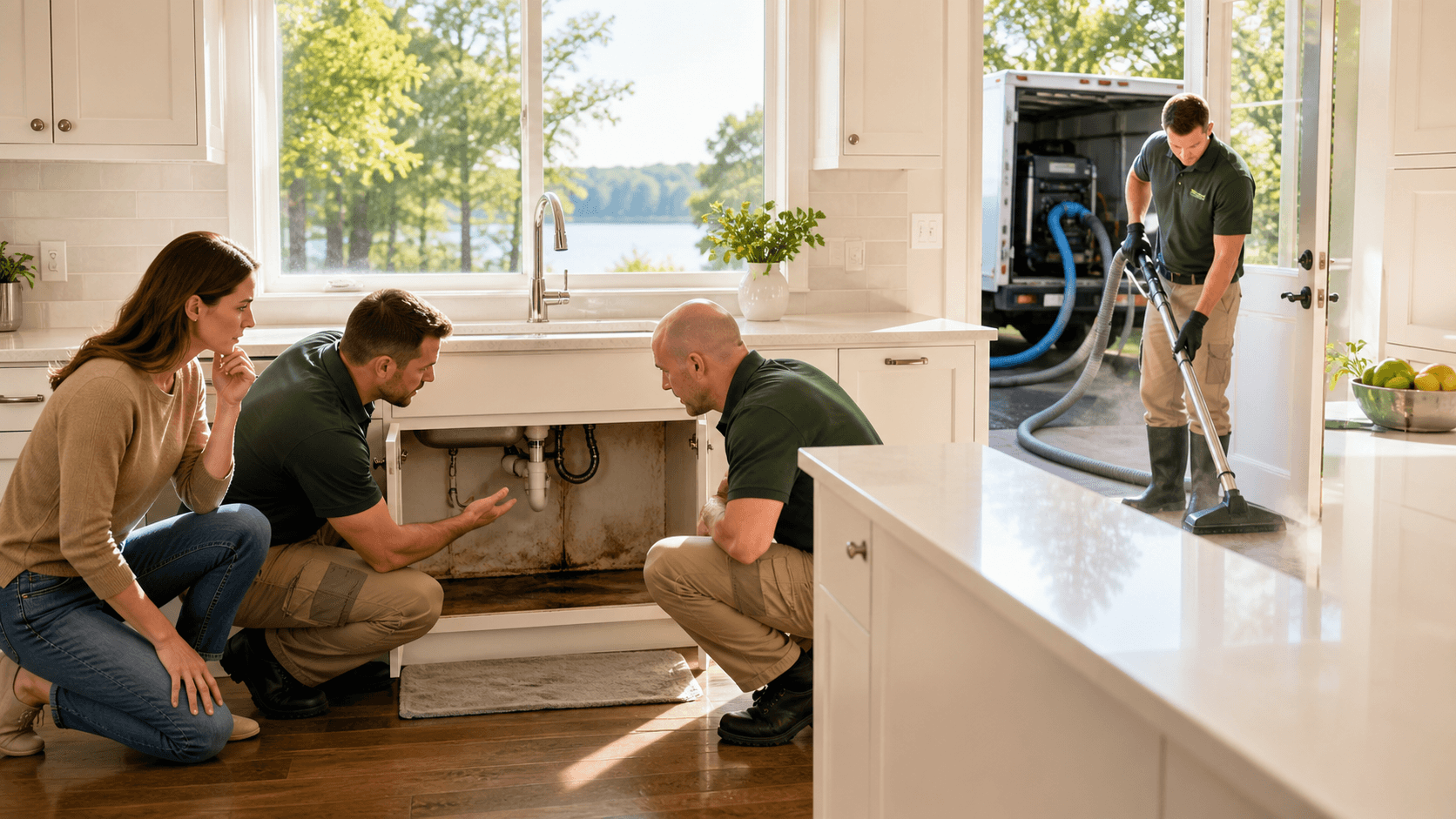
- Dark spots or fuzzy growth inside a cabinet under a kitchen sink after a drain leak
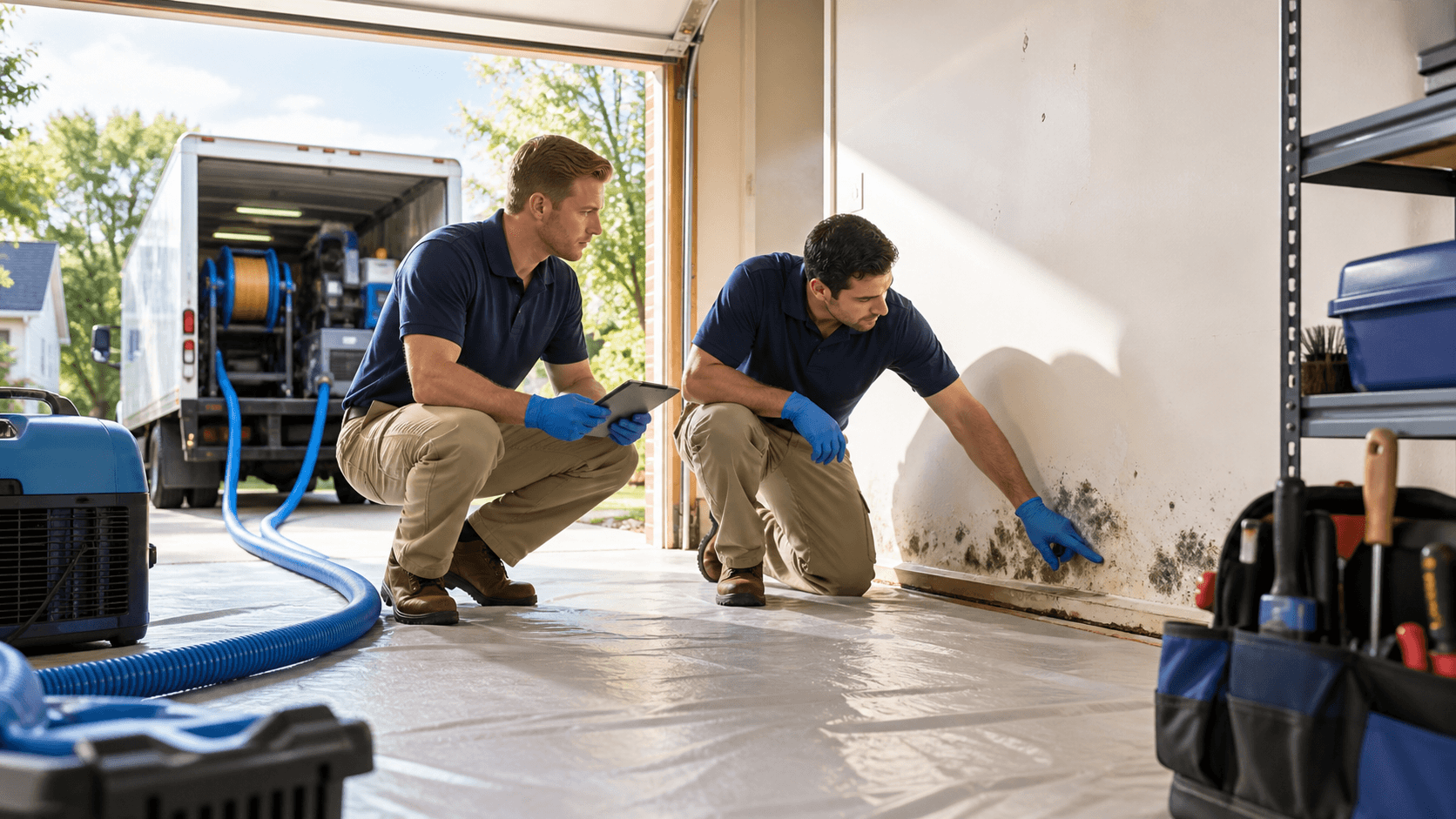
- A small patch of mold on drywall below a window that had a known draft or drip
- Limited staining at the base of a wall where a radiator leaked and was quickly repaired
Industry guidance often supports going straight to remediation when:
- The moldy area is limited and easy to reach
- The moisture source has been found and repaired
- No one in the home has high-risk health conditions that need extra caution
Good remediation, even without pre-testing, should still follow strong safety steps:
- Building simple containment to keep dust and spores from spreading
- Running HEPA air filtration in the work area
- Carefully removing damaged, porous materials that cannot be cleaned
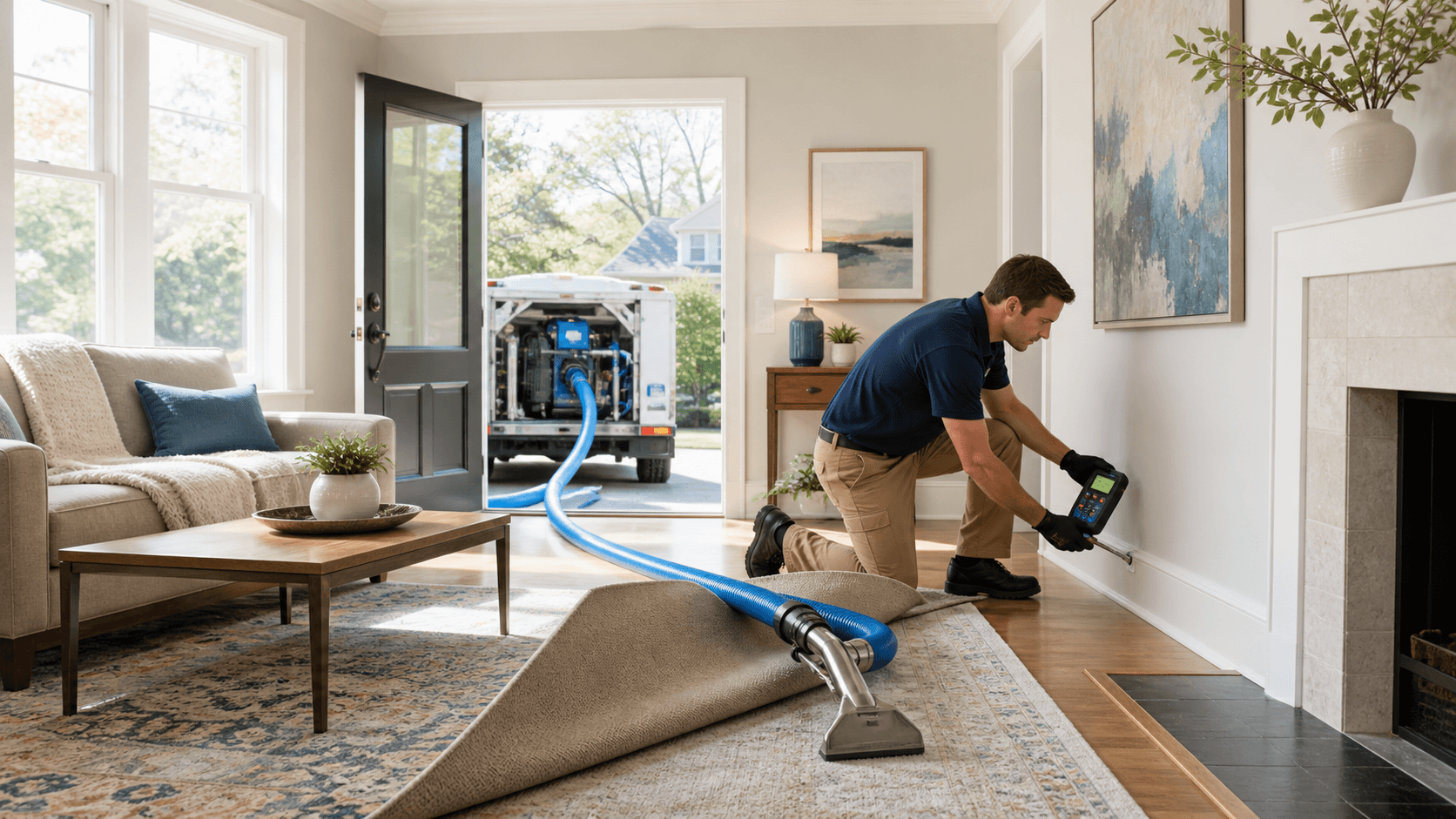
- Deep cleaning and drying the remaining surfaces with professional equipment
In some larger or more sensitive projects, post-remediation testing may still be used to document cleanup results for a buyer, landlord, or insurance carrier. But in many smaller leak cases, skipping early testing lets you put resources directly into fixing the problem.
How Pros Decide What Your Evanston Home Really Needs
This is where a professional, IICRC-certified team like GreenStar HomePro comes in. Instead of pushing testing right away, we start with a full moisture and damage assessment. Our goal is to understand what really happened inside your home.
We rely on tools and training such as:
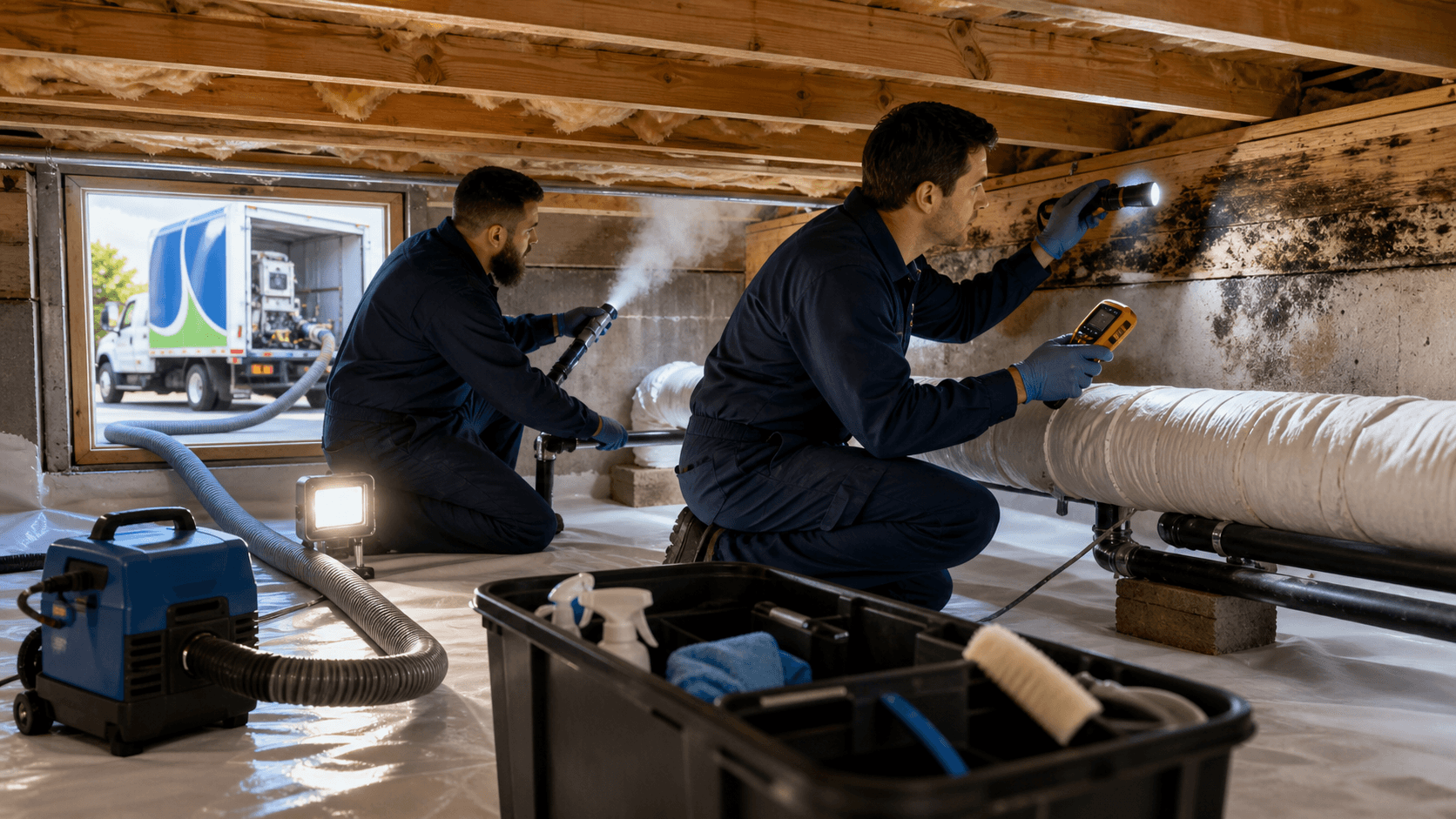
- Moisture meters to check how deep the water went into walls, floors, and trim
- Thermal imaging cameras to spot hidden wet areas that are cooler than dry material
- Focused visual inspections to trace the path of the leak and look for early mold signs
From there, we weigh key factors:
- How big and how long the leak was active
- Where it happened, such as finished living spaces, basements, near HVAC, or on carpet
- Who lives in the home, and whether anyone is more sensitive to mold exposure
- Whether you need written documentation for a sale, rental, or insurance claim
Sometimes the right move is immediate remediation with careful containment. Sometimes it is limited mold testing in Evanston to answer open questions. Other times, if damage is minor and everything is dry, it might be enough to monitor, improve ventilation, and watch for changes. A trustworthy company will walk you through options, explain pros and cons in plain language, and help you pick the level of response that fits your situation.
Take Control of Post-Leak Mold Risks Before Winter
When a minor leak seems "handled," it is easy to move on. But as homes around Evanston and Chicago stay closed up for colder months, any hidden moisture from that leak can quietly feed mold where you cannot see it. Getting a professional set of eyes on the area, along with proper moisture checks, gives you peace of mind that the problem is truly resolved.
You may not always need mold testing after a small leak. You do need to know whether moisture is trapped in places you cannot see, and whether mold has already begun to grow. If you have had a recent leak, notice musty odors, or see subtle changes in walls or floors, it is worth having a trained, IICRC-certified team like GreenStar HomePro assess the space. That way, you can decide if targeted inspection, mold testing, or direct remediation is the best fit for your home before a small issue turns into a much larger one.
Protect Your Home and Family With Expert Mold Testing
If you have noticed musty odors, recent water damage, or unexplained allergy symptoms, now is the time to schedule professional mold testing in Evanston. At GreenStar HomePro, we use thorough inspection methods and advanced testing to pinpoint problems before they become expensive repairs or health risks. We will explain your results clearly and recommend practical next steps tailored to your home. To request an appointment or ask questions, simply contact us today.