Why Lake Bluff Renters Cannot Ignore Kitchen Mold
Kitchen mold in a Lake Bluff rental might start as a small dark patch under the sink or a musty smell you notice when you open a cabinet. It can be easy to brush off as "just dirt" or leftover food smells. In this area, though, renters deal with a mix of older buildings, lake humidity, and tightly sealed windows that often make mold more than a simple cleaning problem.
Lake Bluff is close to Lake Michigan, so moisture in the air is common. When you mix that with seasonal temperature swings and higher fall humidity, your kitchen can trap damp air inside. That damp air ends up in places like under sinks, behind appliances, and inside cabinets. For renters, that can mean musty odors, stains under cabinets, or "greasy" spots that keep coming back even after scrubbing, which may actually be mold, not grime.
Unchecked mold is not just a cleaning headache. It can affect the air you breathe and how comfortable you feel in your own rental. When concerns grow beyond a wipe-down, an IICRC-certified restoration and cleaning company can be an important resource for renters and landlords who want to handle the problem the right way.
Hidden Places Kitchen Mold Starts in Rental Homes
Mold in a rental kitchen often hides where you rarely look. Even if your counters shine and the sink is spotless, moisture can sit in dark, tight spaces that never fully dry out.
Common hidden spots in Lake Bluff rental kitchens include:
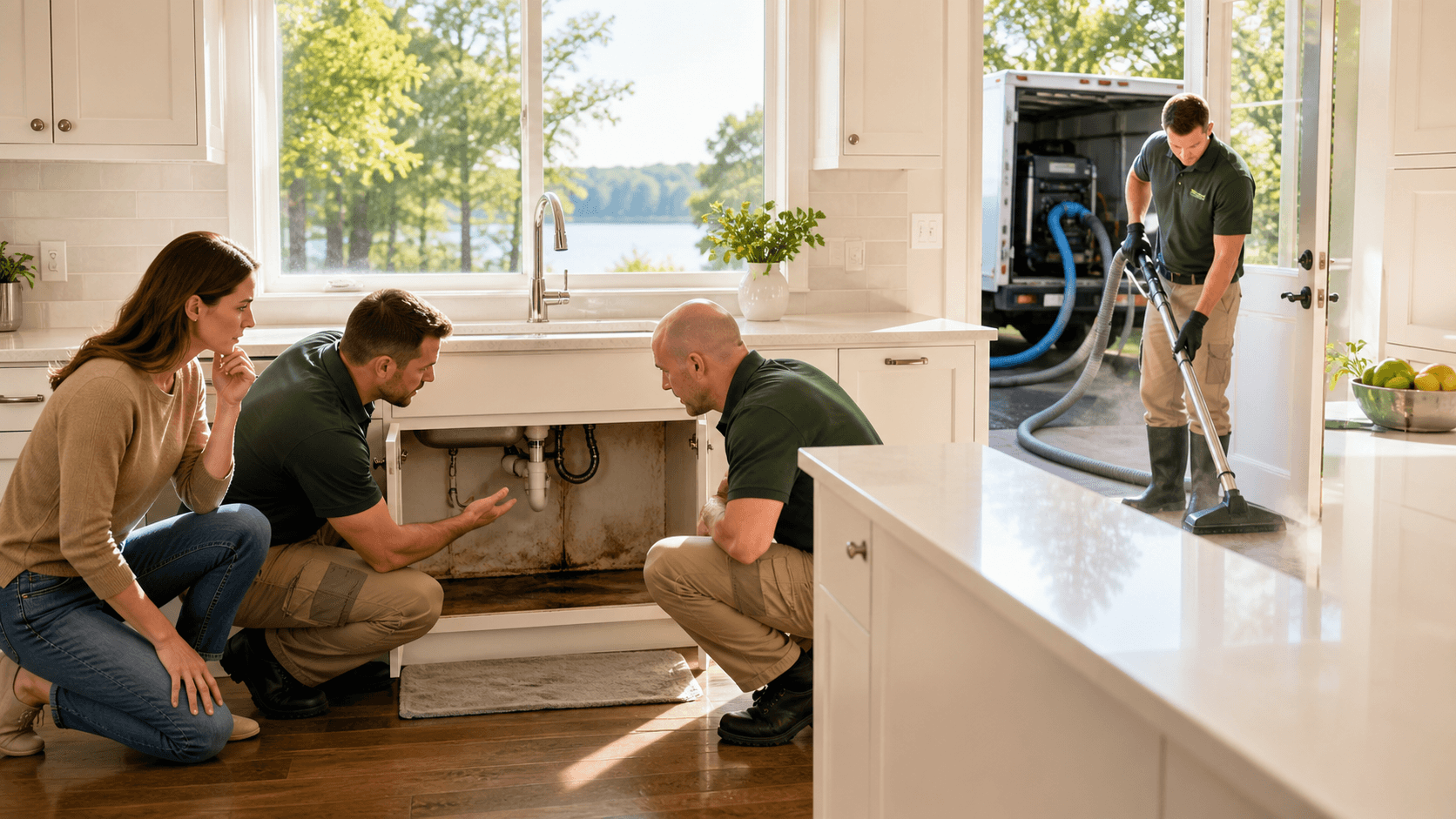
- Under sinks and around garbage disposals
- Behind refrigerators, especially near ice maker or water lines
- Behind and under dishwashers where hoses connect
- Under vinyl or laminate flooring near the sink or dishwasher
- Around window frames on exterior walls
As fall sets in and windows stay closed more often, kitchens in this area usually get less fresh air. People cook indoors more, which adds steam and heat. That extra moisture can turn into condensation on:
- Cold water supply lines
- Poorly insulated exterior walls behind cabinets
- The backs and bottoms of cabinets near outside walls
Early warning signs that mold may be starting include:
- Warped or soft cabinet bottoms under the sink
- Bubbling or peeling paint near the backsplash or on an exterior wall
- A musty odor that sticks around even after cleaning
- Darkened or stained caulk lines around the sink or backsplash
When you see these signs, it often means moisture has been there for a while. That is when kitchen mold removal in Lake Bluff rentals becomes more urgent.
When Kitchen Mold Threatens Health and Safety
Mold problems in a kitchen are not just about looks. For many renters, mold can affect how they feel day to day, especially those already dealing with allergies or breathing issues.
Common mold-related concerns can include:
- Coughing or throat irritation
- Stuffy or runny nose
- Itchy or irritated eyes
- Symptoms that feel worse when spending time in the kitchen
Children, seniors, and people with asthma or other respiratory problems may notice symptoms more quickly. When they spend time in the kitchen and feel worse, mold or moisture might be a hidden factor.
It is important to understand the difference between light surface mildew and a deeper issue. Light mildew on shower or sink grout that wipes off easily is one thing. More serious mold happens when there has been:
- A slow plumbing leak behind the wall
- Water trapped under flooring or cabinets
- Past water damage that never fully dried
These deeper problems can lead to mold inside drywall, subflooring, or the backs of cabinets. As a general rule, renters should not try to handle:
- Patches larger than a few square feet
- Mold that keeps coming back after cleaning
- Mold combined with water stains, soft walls, or sagging cabinets
Situations like these often call for professional kitchen mold removal in Lake Bluff rentals to protect both the people living there and the structure itself.
Your Rights and Responsibilities in Moldy Rentals
Renters in Lake Bluff and the greater Chicago area usually share some responsibility for keeping a kitchen clean and dry, but they are not expected to fix big mold problems or repair leaks. In most cases, tenants are expected to:
- Wipe up everyday spills and splashes
- Run exhaust fans when cooking, if available
- Report leaks or water damage to the landlord quickly
Landlords are typically the ones responsible for:
- Fixing plumbing leaks and appliance failures
- Addressing ongoing moisture problems, like repeated under-sink leaks
- Arranging professional inspection and remediation when mold is significant or tied to building materials
When you notice mold or moisture, documenting the issue can help everyone stay on the same page. Helpful steps include:
- Taking clear, date-stamped photos of stains, mold patches, and leaks
- Sending written notices or emails to the landlord describing what you see and smell
- Keeping a simple log of any health symptoms that seem worse when you are in the kitchen
Clear records help show that a problem exists, how long it has been there, and whether it is getting worse. This can support better decisions about repairs and professional help.
DIY Kitchen Mold Cleanup Versus Calling the Pros
Many renters want to grab a cleaner and take care of mold themselves. For small spots on hard, non-porous surfaces, such as a tiny patch on tile or around a faucet, light cleaning may help the area look better. Still, there is a real risk of spreading spores or missing the deeper issue if you are not careful.
Red flags that point toward needing professional help include:
- Mold inside cabinets, behind baseboards, or inside wall cavities
- Strong musty odors coming from behind the refrigerator or dishwasher
- Signs of past flooding under the sink, under flooring, or near appliances
- Mold patches that grow back soon after cleaning
Professional mold removal is not just about scrubbing what you can see. An IICRC-certified company focuses on:
- Finding where moisture is coming from, not just spotting the mold
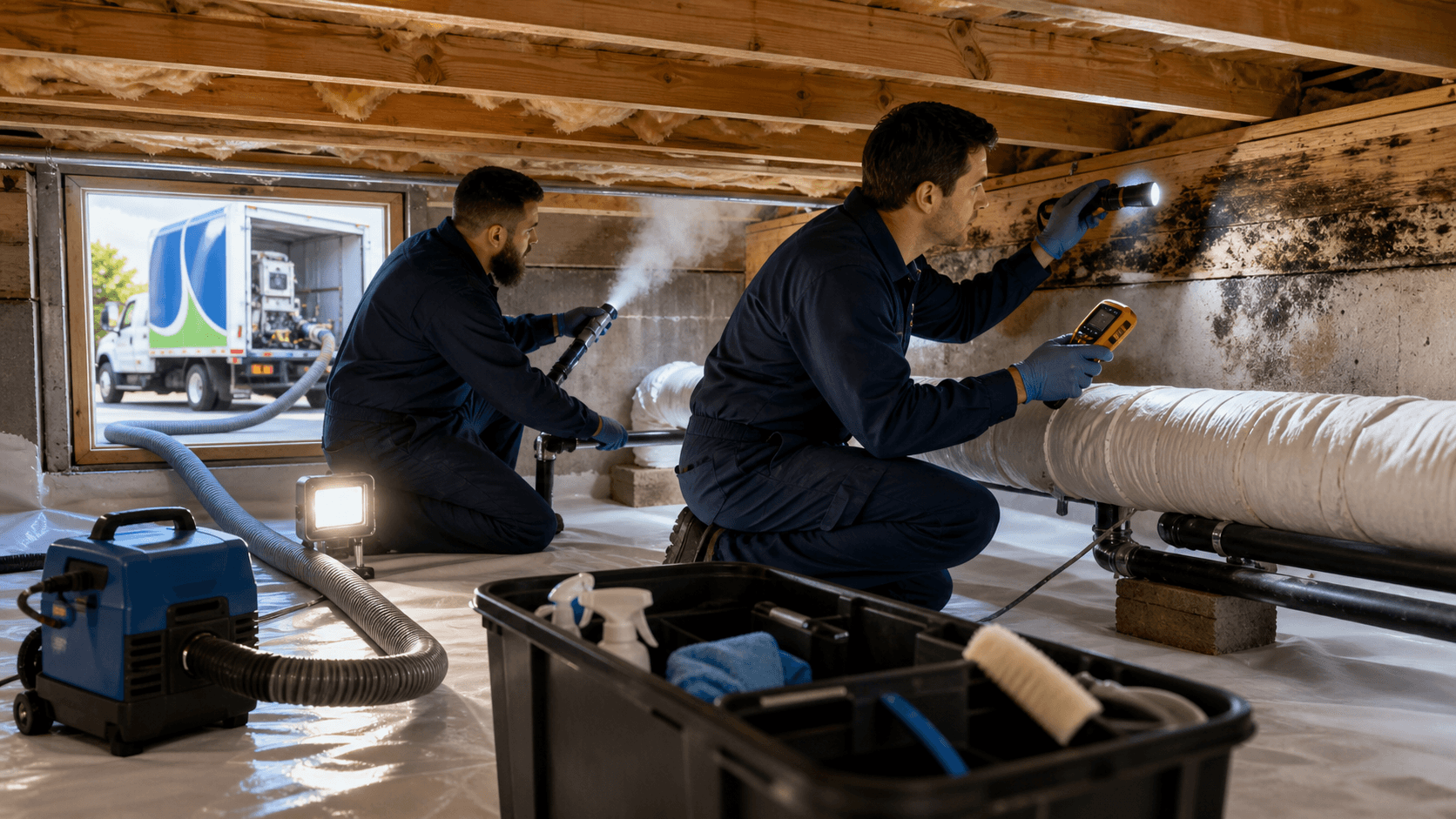
- Setting up safe containment in tight spaces so spores do not spread
- Using HEPA filtration to help capture mold particles from the air
- Drying affected areas fully to reduce the chance of mold returning
This type of approach can give both renters and landlords more confidence that the kitchen has been handled safely and thoroughly.
How GreenStar HomePro Handles Rental Kitchen Mold
When rental kitchen mold becomes a concern, the process matters just as much as the result. At GreenStar HomePro, we start with a careful look at the kitchen, including areas that are easy to miss.
A typical process may include:
- Initial inspection of visible mold and moisture-prone areas
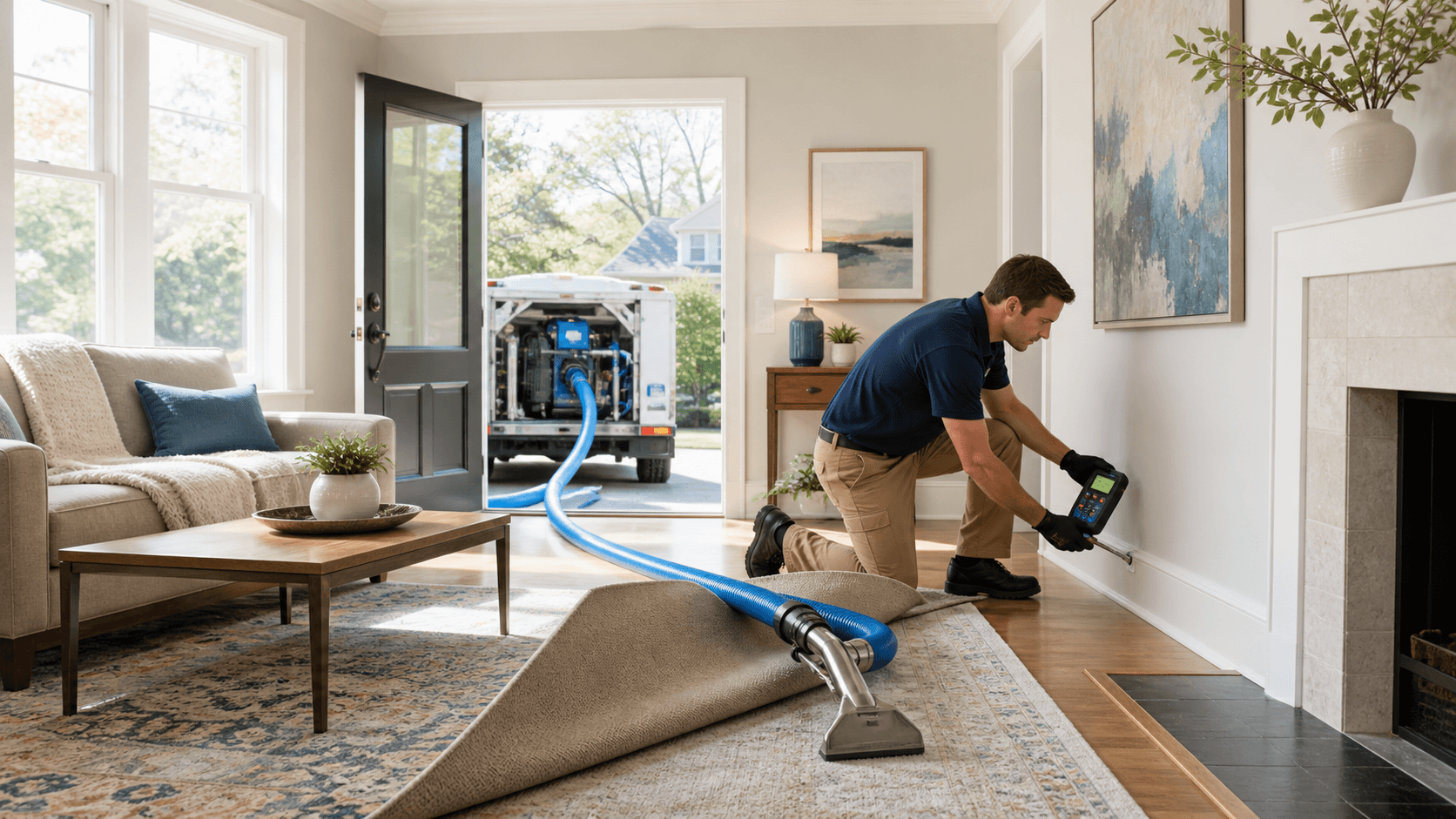
- Moisture mapping to see where water is hiding in walls, floors, or cabinets
- Setting up containment in the kitchen to help keep other rooms cleaner
Because rentals are occupied spaces, we work to tailor solutions so daily life is disrupted as little as possible. Communication is a big part of that. We share clear findings, photos, and recommendations with both the renter and the landlord so everyone understands:
- Where the mold is located
- What materials are affected
- What steps are recommended to fix the problem
In kitchens, related services often matter too. These can include addressing water damage from dishwasher or sink leaks, drying drywall and cabinets where possible, and thorough post-remediation cleaning to help cut down on lingering odors and dust. The goal is a cleaner, drier kitchen that feels safer and more comfortable for whoever is renting the space.
Take Control of Kitchen Mold in Your Lake Bluff Rental
Kitchen mold removal in Lake Bluff rentals becomes easier when you act early. Before the cold weather locks windows shut, it helps to take a few minutes to check under sinks, behind the trash can, and around appliances. If you notice warping, stains, or musty smells that do not match normal cooking odors, there could be more going on than a simple cleaning issue.
A simple plan for renters can look like this: document what you see and smell, notify your landlord in writing, and suggest bringing in an IICRC-certified professional to inspect and address the problem. Fast action protects your health, your belongings, and the property itself. For renters and landlords across Lake Bluff and the Chicago area, working with a qualified team like GreenStar HomePro can make dealing with kitchen mold less stressful and far more effective.
Get Started With Your Project Today
If you suspect mold in your kitchen, now is the time to act before it spreads and becomes a bigger problem. At GreenStar HomePro, we provide thorough inspections and professional kitchen mold removal in Lake Bluff so you can feel confident about the safety of your home. Reach out today and we will walk you through the next steps, from assessment to final cleanup. You can also contact us with any questions or to schedule an appointment.