What Deerfield Homeowners Must Know About Sewer Backups
Sewer backup is one of the most stressful problems a Deerfield homeowner can face. It is smelly, messy, and dangerous to your family's health and your home's structure. When heavy Midwest summer storms hit and the sewers are overworked, many homes in Deerfield are at higher risk, especially during stormy July weather.
Sewage is not the same as a clean water leak from a supply line. It can carry bacteria, viruses, and chemicals from the street and from inside your home. Cleaning it up is not just mopping, spraying some bleach, and opening a window. Proper sewer backup cleaning in Deerfield is a detailed, step-by-step process that protects both people and property.
Our team at GreenStar HomePro has been helping local families with sewer backups and other water damage issues for three generations. Over the years, we have seen what happens when backups are handled the right way and what happens when they are not.
Why Sewer Backups Happen in Deerfield Homes
Backups almost never come out of nowhere. There are common reasons they happen, especially in older, established neighborhoods. In Deerfield, the most frequent triggers include heavy summer rains that overload the municipal sewer lines, tree roots sneaking into older clay or cast iron pipes, aging sewer systems under older homes and streets, and grease, wipes, and other items building up inside household drains.
Often, your home will give you warning signs before a full backup. You might notice gurgling sounds from toilets, tubs, or floor drains, or toilets and drains that flush slowly and then keep slowing down again. Other clues include a sewage or rotten egg odor in the basement, bathroom, or yard, or water or sewage first showing up at the lowest drain or floor drain.
Deerfield's warm, stormy summers make these problems worse. Strong downpours can push more water into the sewer system than it can handle. When that happens, pressure in the line can send sewage back into basements and lower levels, where many families have living spaces, storage, or kids' play areas.
What Professional Sewer Backup Cleanup Really Involves
When a sewer backup hits, the first step is safety. Raw sewage should always be treated as dangerous. A professional crew will:
- Check the type and extent of contamination
- Shut off electricity or gas in the affected area if needed
- Wear full protective gear like gloves, masks, and boots
- Keep family members and pets away from the damaged spaces
Once the area is safe to enter, the gross cleanup starts. This part is hard, heavy work. It usually includes:
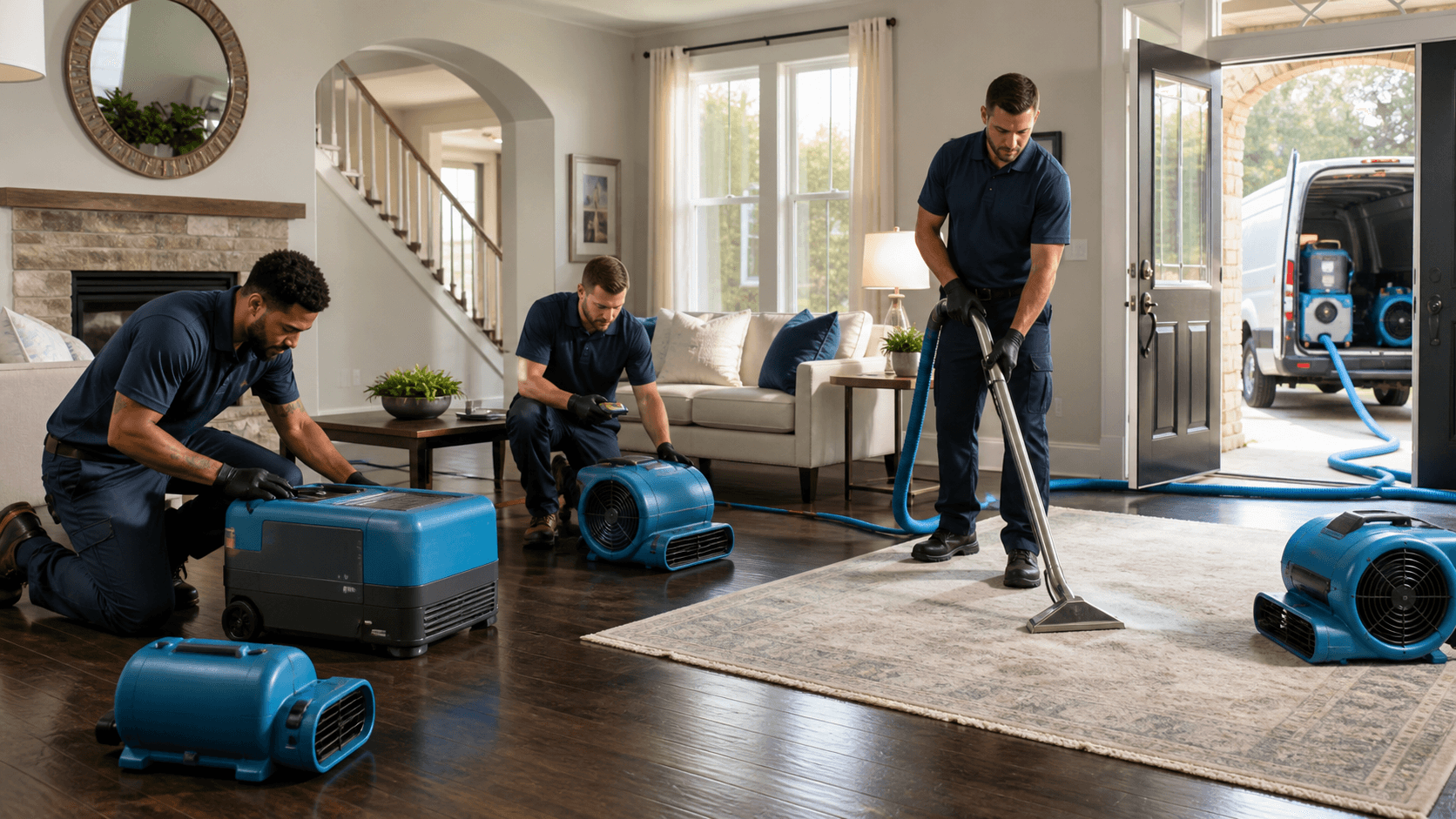
- Pumping out standing sewage and dirty water
- Removing solid waste and debris from the floor and drains
- Pulling out soaked carpet, padding, and damaged area rugs
- Cutting out contaminated drywall, baseboards, and insulation
- Bagging and disposing of ruined boxes, furniture, and clutter
After the visible mess is gone, the deep cleaning begins. This is where professional tools and cleaning products really matter. The crew will:
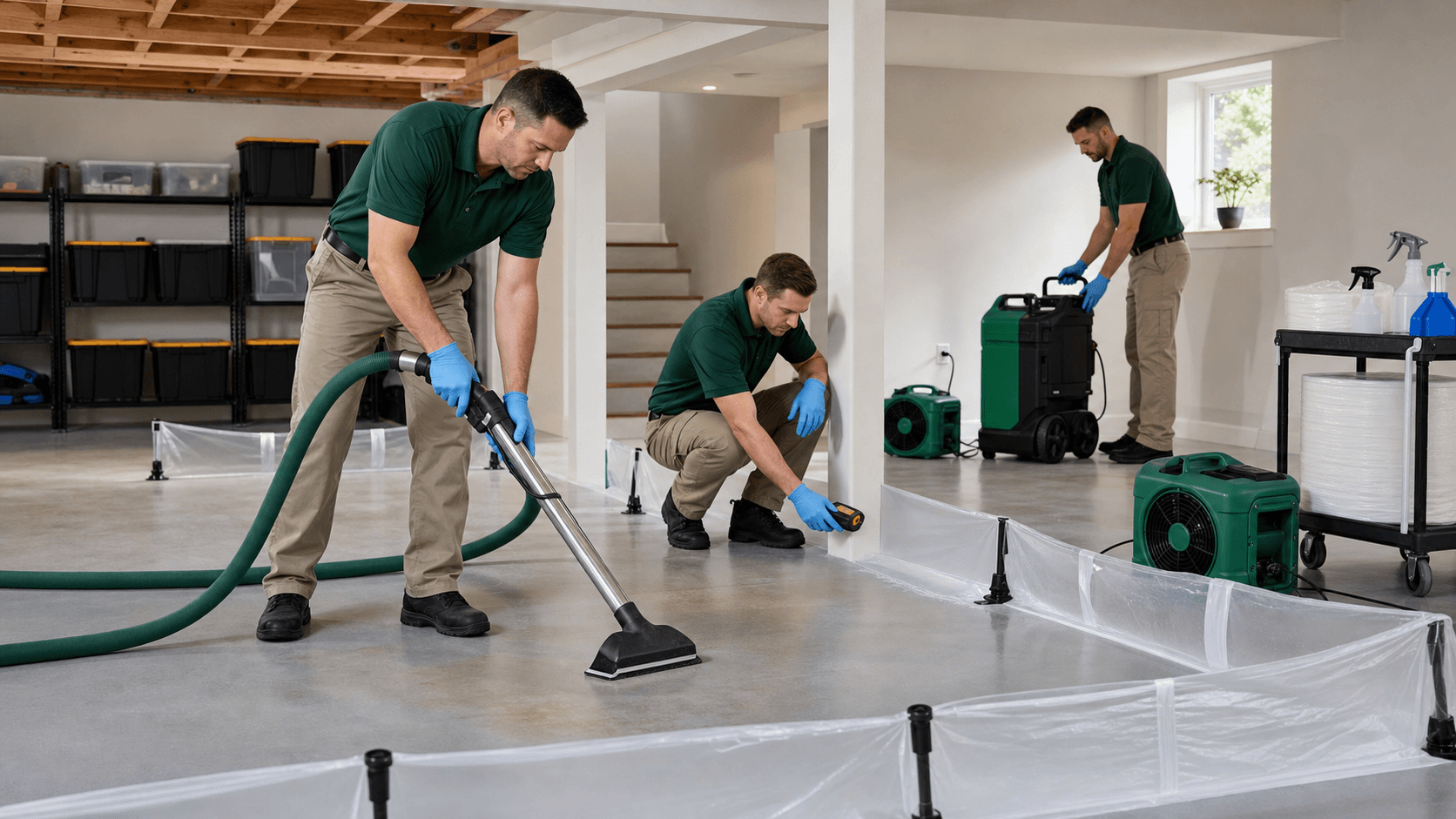
- Wash and scrub hard surfaces like concrete, tile, and masonry
- Apply professional disinfectants designed for sewage cleanup
- Clean and sanitize hidden areas inside wall cavities if they were wet
- Address contamination under flooring or behind baseboards
The goal is not just to make the area look better, but to remove harmful germs and residues you cannot see.
Protecting Your Home's Structure and Indoor Air
Sewage water does not just sit on the surface. It can seep into cracks, joints, and building materials. If that moisture is not removed, it can cause warping and weakening of wood framing and subfloors, rot in sill plates, wall studs, and floor joists over time, and damage to insulation that ruins its ability to do its job.
Fast action matters even more in warm, humid July weather. Moisture plus organic material is the perfect setup for mold. In many cases, mold can start to grow within one to two days in wet, dirty areas. That is why quick sewer backup cleaning in Deerfield is one of the best ways to cut down the chances of future mold problems.
Indoor air quality is another big piece of the puzzle. Sewage odors can linger in porous building materials, in carpets and soft furniture nearby, and in the air itself if particles are not filtered out.
Professional crews can use air movers and dehumidifiers to speed up drying. HEPA air filtration helps capture fine particles from the air. Odor removal methods, including specific cleaning products and sometimes special equipment, help bring your home back to a safe and fresh-smelling place for your family.
How a Family-Owned Team Manages the Entire Crisis
When a sewer backup hits, it is not just a "house issue." It disrupts your whole life. Kids might be scared to go in the basement. You might worry about what is safe to touch, or whether you can stay in the home while cleanup is happening. Having a steady, experienced team in your corner helps calm that chaos.
As a family-owned company that has been around for three generations, we look at these situations from a family-first point of view. We know you want honest answers about what can be saved and what needs to go, clear steps laid out so you know what is happening next, and respect for your home, your time, and your privacy.
From start to finish, a good restoration team will handle:
- Emergency response, including after-hours and weekend calls
- Documentation of damage for your insurance claim
- Talking with your insurance adjuster and sharing needed details
- Regular updates so you are never guessing about the next step
Because we work in the Chicago area and suburbs every day, we are familiar with local building styles, common basement layouts, and what insurers usually look for with sewer backup claims.
When to Call a Pro and How to Prepare Until Help Arrives
Not every drip needs a full crew, but sewage is different. You should contact a professional right away if:
- There is visible sewage or black water on floors or surfaces
- Drywall, insulation, or built-in cabinets got wet
- The backup has happened more than once in the same area
- Anyone in the home has allergies, breathing issues, or a weak immune system
While you wait for help, there are a few safer steps homeowners can take:
- Stop using toilets, tubs, and sinks that may feed the backup line
- Keep kids and pets far away from the affected area
- Move clean, dry items to upper levels if it is safe to do so
- Take photos or videos of the damage for your records
Some actions, however, can make things worse. Try to avoid:
- Using everyday household cleaners directly on raw sewage
- Running central air or heat that can spread odors and particles
- Letting the mess sit in warm, humid weather, hoping it will dry on its own
Planning ahead can help too. Many Deerfield homeowners find it helpful to put together a simple sewer backup plan. This can include where to store important items off the basement floor, what shutoff valves they can access, and which professionals they trust for fast response when something goes wrong.
Get Started With Your Project Today
If you are dealing with a messy and stressful backup, we are ready to help restore safety and comfort to your home. Learn more about how our sewer backup cleaning in Deerfield service addresses contamination, odors, and hidden moisture before they lead to bigger problems. Reach out to GreenStar HomePro today and let our team walk you through the next steps or schedule fast service. If you prefer, you can also contact us to request an inspection or ask questions about your specific situation.