Stop Moisture Fast to Prevent Lasting Home Damage
Water on your floors or seeping into walls is more than a mess; it is a clock that starts ticking. The first 24 to 48 hours after a leak or flood are when you can either stop long-term problems or accidentally lock in mold growth, structural damage, and permanent odors. Moisture that lingers in wood, drywall, and insulation becomes food and fuel for mold, weakens building materials, and can leave a musty smell that never seems to go away.
Dehumidifiers and air movers are the workhorses of any serious water mitigation plan. Air movers push moisture out of surfaces by speeding up evaporation, while dehumidifiers pull that vapor out of the air before it can soak back into your home. Together, they turn a damp, stagnant space into a controlled drying chamber.
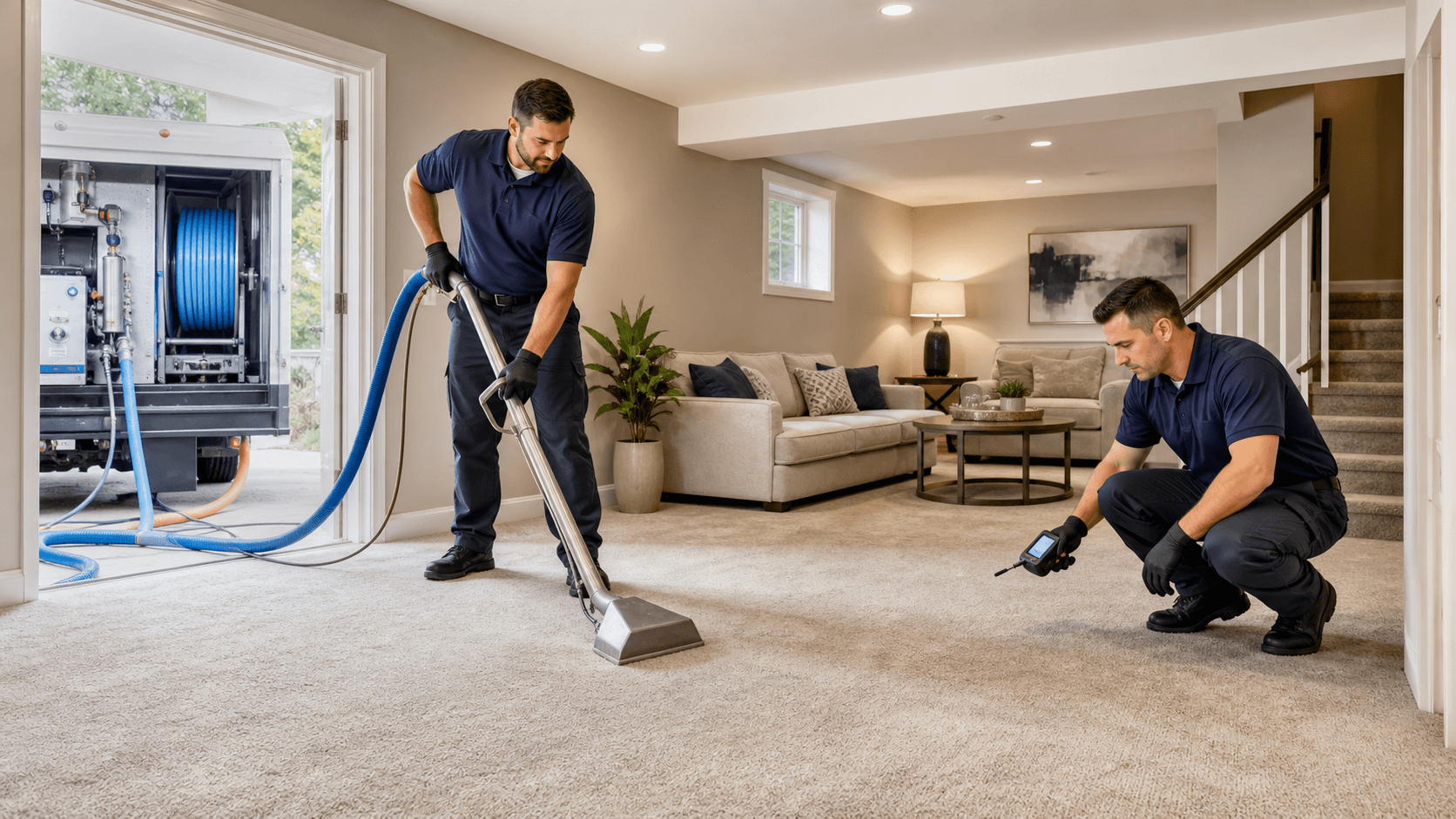
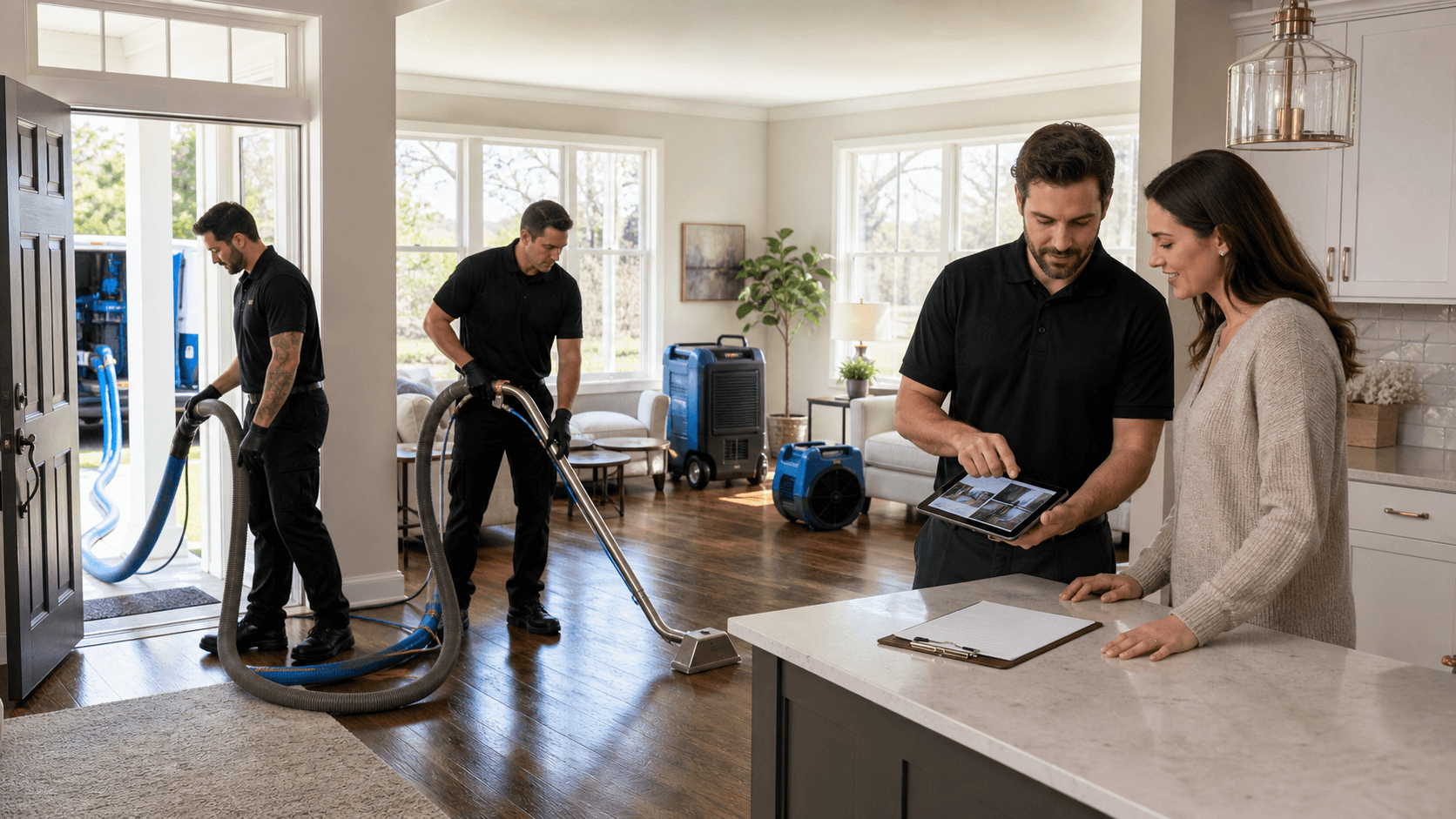
At GreenStar HomePro, we focus on fast, effective drying for homes and businesses across Chicago and nearby suburbs. When homeowners call us for water damage restoration in Libertyville or other local communities, these tools are often the first pieces of equipment we bring through the door.
How Dehumidifiers Protect Your Home After a Water Loss
A surface can feel dry and still be holding a lot of hidden moisture. Professional-grade dehumidifiers are designed to lower humidity and draw water out of building materials, not just out of the air you can feel. As air movers lift moisture off floors, walls, and contents, dehumidifiers capture it and drain it away so the space actually dries out instead of just moving dampness around.
There are three main types you will see in water mitigation:
- Standard refrigerant dehumidifiers, common in mild to warm conditions and lighter water losses
- Low grain refrigerant (LGR) dehumidifiers, built to pull humidity down to lower levels and handle more demanding jobs
- Desiccant dehumidifiers, which use a drying material instead of refrigerant, often used in cooler conditions or complex structures
For most homes and small businesses, refrigerant and LGR units are the go-to choices. Desiccant units are more specialized and are typically reserved for unusual spaces or very large projects.
When comparing equipment, a few performance specs matter much more than the model name on the sticker:
- Pints per day, how much water the unit can remove in 24 hours under standard conditions
- AHAM rating, a standardized measurement that makes it easier to compare one unit to another
- Operating temperature range, so you know whether it will still work in a cool basement or a warm summer attic
- Built-in humidistats, which allow the unit to cycle based on target humidity instead of running blindly
- Auto pump-out, which saves you from constantly emptying buckets by sending water to a drain or sink
- Digital monitoring, which helps track performance and adjust the setup as conditions change
We pay close attention to these details so we can match each dehumidifier to the space and the conditions, instead of guessing.
Choosing the Right Dehumidifiers for Different Spaces
Not every water loss looks the same, and the right equipment for a damp bathroom is very different from what you need for a flooded basement. Picking the right size and type of dehumidifier starts with looking at the volume of the room, the amount of water involved, and the temperature.
For example:
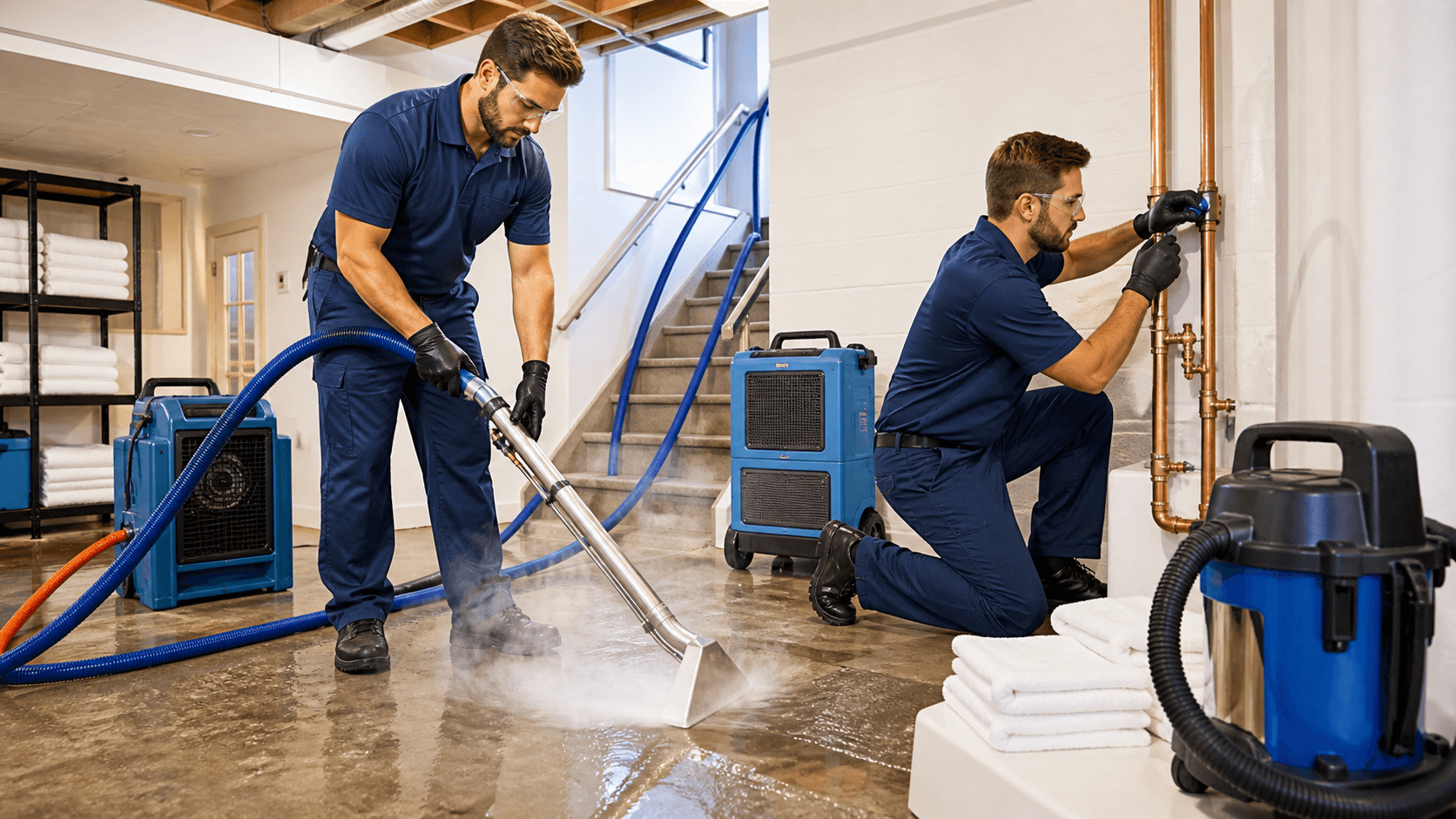
- Basement floods often need higher-capacity LGR dehumidifiers that can work in cooler, humid conditions
- Burst pipes in finished living areas usually call for a mix of mid- to high-capacity units, focused on protecting flooring and wall cavities
- Bathroom or laundry leaks might be handled with a smaller unit, especially if caught early
- Small office spaces can often be dried with compact commercial units that maintain normal business operations
Illinois' weather adds another layer. Humid summers and damp shoulder seasons can slow natural drying, so we often size equipment on the higher side to compensate. In many homes needing water damage restoration in Libertyville, we see a combination of cool basements and warm upper floors, which may require different styles or settings on each level.
One common mistake is thinking a single oversized dehumidifier in the corner will dry everything. Professionals typically use multiple units placed strategically so:
- Each zone of the property gets adequate drying power
- Airflow patterns are smoother and more consistent
- Humidity is pulled down evenly, not just in one area
- Drying times are shorter and more predictable
This approach is more efficient and reduces the risk of pockets of trapped moisture.
Why Air Movers Are Essential for Fast Drying
Dehumidifiers cannot do their job well if the surface moisture is not moving. That is where air movers come in. These are high-velocity fans designed to blow air across wet floors, walls, and contents. The moving air helps water evaporate much faster, so the dehumidifiers can capture it.
The main styles you will see on a professional job include:
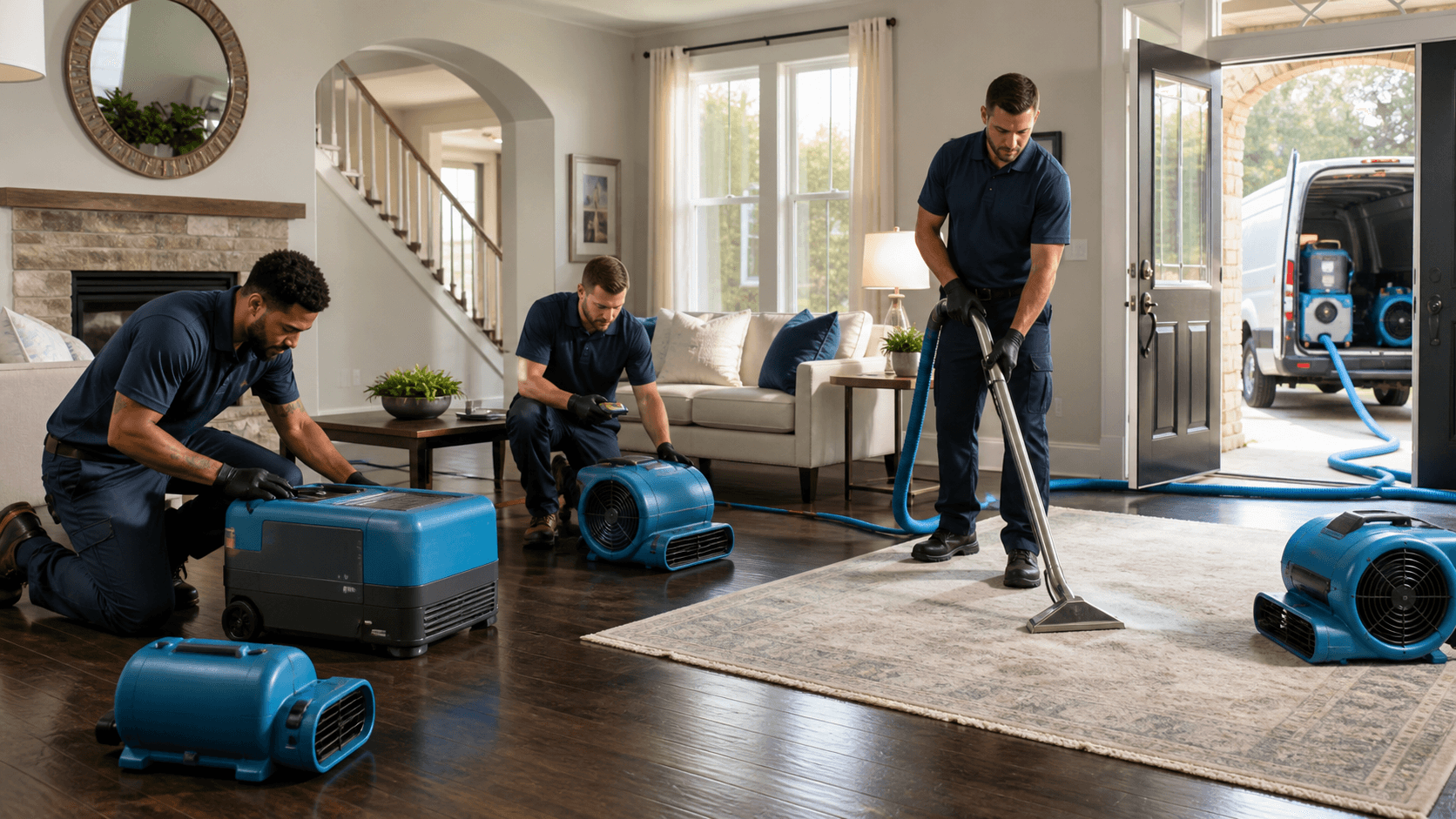
- Low-profile air movers, compact units that slide under cabinets or into tight areas
- Centrifugal or "snail" units, versatile fans that can aim airflow under baseboards and across floors and walls
- Axial fans, larger units that move a high volume of air, ideal for large, open rooms or hallways
Each style has a sweet spot. Low-profile units shine in tight bathrooms or under shelving, centrifugal units are the everyday workhorses, and axial fans are great for pushing air across big, open spaces.
Current air movers often include:
- Variable speed controls, to fine-tune airflow without blasting contents around
- Directional airflow options, such as multiple angles or built-in stands
- Stackability, which makes them easier to stage in stairwells and small rooms
- Energy-efficient motors, which help keep electrical loads in check
- Built-in GFCI outlets, allowing daisy chaining while maintaining safety
Used with the right dehumidifiers, these fans are what turn a soggy room into a controlled drying environment.
Smart Setup Strategies Pros Use for Faster Drying
Drying is not just about having the right equipment, it is about where and how you set it up. We approach each property as a unique layout, then plan airflow and dehumidification to cover every wet surface.
Some common strategies include:
- Wall-to-wall coverage, placing air movers every several feet along walls and across floors
- Corner setups, positioning fans to push air in a circular path around a room
- Targeting wet cavities, aiming airflow under baseboards, into staircases, and through access holes into wall or ceiling cavities
Our technicians use moisture meters to measure how wet materials are at the start, then track those readings daily. We also monitor humidity in the air, adjusting dehumidifier settings, moving fans, or adding and removing equipment as the building dries.
On a typical project for water damage restoration in Libertyville, day-one might focus on removing standing water, setting up high-capacity LGR dehumidifiers, and lining air movers along the most affected walls. By day-two, we might shift some fans to target stubborn areas like stairwells or closets. By day-three, we often reduce equipment in drier rooms and concentrate everything on the last damp spots that need extra attention.
When to DIY and When to Call the Pros
Some smaller water losses can be handled with rented dehumidifiers and fans, especially if you catch them quickly. For a small laundry leak that is cleaned up within a few hours, a homeowner might:
- Extract or mop up standing water immediately
- Run a few powerful fans to move air across the area
- Use a portable dehumidifier to keep humidity down
- Open cabinets and closets so air can reach hidden surfaces
However, there are clear situations where professional help is far safer and ultimately less expensive:
- Sewage backups or any water that may be contaminated
- Extensive mold growth that is already visible or musty odors that do not go away
- Multi-room flooding or water that has soaked into insulation, subfloors, or wall cavities
- Water that has been sitting more than a day before cleanup began
Under-drying is a real risk. Moisture left behind can lead to hidden mold in walls, warped hardwood, ruined insulation, and even headaches with insurance if mitigation is judged incomplete. A certified water damage team brings commercial dehumidifiers, high-powered air movers, and advanced meters that can find and remove moisture you cannot see.
For families and businesses facing serious water damage restoration in Libertyville and nearby suburbs, this level of equipment and testing helps protect both the building and the people living or working inside.
Protect Your Property with the Right Drying Plan
There is no single best dehumidifier or fan that solves every water problem. What matters most is the right mix of equipment, positioned correctly, and monitored over time. Dehumidifiers control humidity and draw water out of materials, while air movers keep evaporation steady and strong. Together, they help turn a stressful water loss into a controlled drying project.
A basic plan before anything ever happens can make a big difference. Know where your main water shutoff is, keep a list of trusted professionals you would call first, and have a simple checklist for what to move off the floor if a leak starts. When that plan includes an experienced team with professional dehumidifiers and air movers, you give your home or business the best chance of coming through water damage in solid shape.
Protect Your Home With Fast, Professional Restoration Today
When water damage strikes, quick action can be the difference between a simple repair and a major renovation. Our team at GreenStar HomePro is ready to provide trusted water damage restoration in Libertyville so you can get your home back to normal as soon as possible. If you are dealing with leaks, flooding, or lingering moisture, reach out and let us assess the damage and outline a clear plan. To schedule service or ask questions, simply contact us today.