Why Basement Odors Linger Long After Water Damage
Basement water damage in Glenview often feels like a short-term problem. The storm passes, the standing water gets removed, fans and dehumidifiers run for a few days, and everything looks fine. Then, a few weeks later, that faint musty smell sneaks back. It might get stronger after a rainy day or when the air feels sticky and humid. Suddenly the basement does not feel clean or comfortable anymore.
Late-summer storms in our area can push a lot of moisture into basements in a short time. High humidity in August means surfaces can stay damp even when they look dry. That dampness is what allows odors to come back again and again. In this article, we will walk through where those smells really come from, why quick DIY fixes rarely solve the problem, and how professional odor removal in Glenview can help bring your basement back to a dry, healthy, fresh state.
Hidden Causes of Post-Flood Basement Odors
When water gets into a basement, it rarely just sits on top of the floor. It seeps and spreads. Even if you mop or vacuum the visible puddles, moisture often stays trapped deep inside the structure of the home.
Water can wick into materials such as:
- Drywall and framing
- Carpet and padding
- Subfloors and baseboards
- Insulation in finished walls or ceilings
These materials may feel dry on the surface yet still hold moisture inside. That slow, hidden dampness is what keeps odors cycling back long after the fans are put away.
Trapped moisture also creates a perfect place for microbial growth and mold. Behind walls or under flooring, small colonies can grow where you cannot see them. They release gases that smell musty, earthy, or like a wet dog. Even a small area of growth can affect the air in your whole basement.
Floodwater and seepage can also carry in contaminants. Water from heavy rains, foundation leaks, or a stressed sump pump can bring:
- Soil and organic debris
- Bacteria and microorganisms
- Fine silt that settles into cracks and carpet
Even once the water is gone, what it left behind can still feed odor-causing bacteria and mold. This is why cleaning only the visible surfaces is usually not enough.
Why DIY Odor Fixes Often Make Problems Worse
When basement smells pop up, it is tempting to reach for quick fixes. Air fresheners, candles, and scented sprays can make the space smell better for a little while. But they only cover the odor; they do not remove what is causing it.
Cover-up products allow the real problem to keep growing. While the pleasant scent fades in a few hours, the hidden moisture and microbes are still there. Over time, the smell often comes back stronger, especially during damp weather.
Many homeowners also try to solve the issue with basic tools, such as:
- Small household fans
- Portable dehumidifiers
- Shop vacuums for wet carpet
These can help in very minor situations, but they usually cannot reach the full depth of the damage. Moisture inside walls, under padding, or within insulation needs more powerful equipment and a planned drying process. If this does not happen, the basement may stay just damp enough to support ongoing odors.
Ignoring persistent smells can also hide bigger issues. Ongoing odor may point to:
- Mold growth behind finished walls or paneling
- Indoor air quality problems affecting other rooms
- Gradual damage to wood framing, drywall, and flooring
By trying to live with the odor or cover it up, the structure of the home and the air you breathe may both be at risk for longer than you realize.
Professional Odor Removal in Glenview Done Right
Professional odor removal in Glenview is about finding the source, not just treating the smell. IICRC-certified technicians follow a step-by-step process to locate and correct what is really going on inside the basement.
A proper inspection often includes:
- Moisture mapping of walls, floors, and ceilings
- Infrared checks to find hidden damp spots behind surfaces
- Air or surface sampling when needed to identify mold or other growth
This careful approach helps create a clear plan so that all odor sources are addressed, not just the obvious ones.
Once the issues are found, advanced cleaning and deodorizing can begin. Industry-standard methods may include:
- HEPA filtration to remove fine particles from the air
- Targeted antimicrobial treatments on affected materials
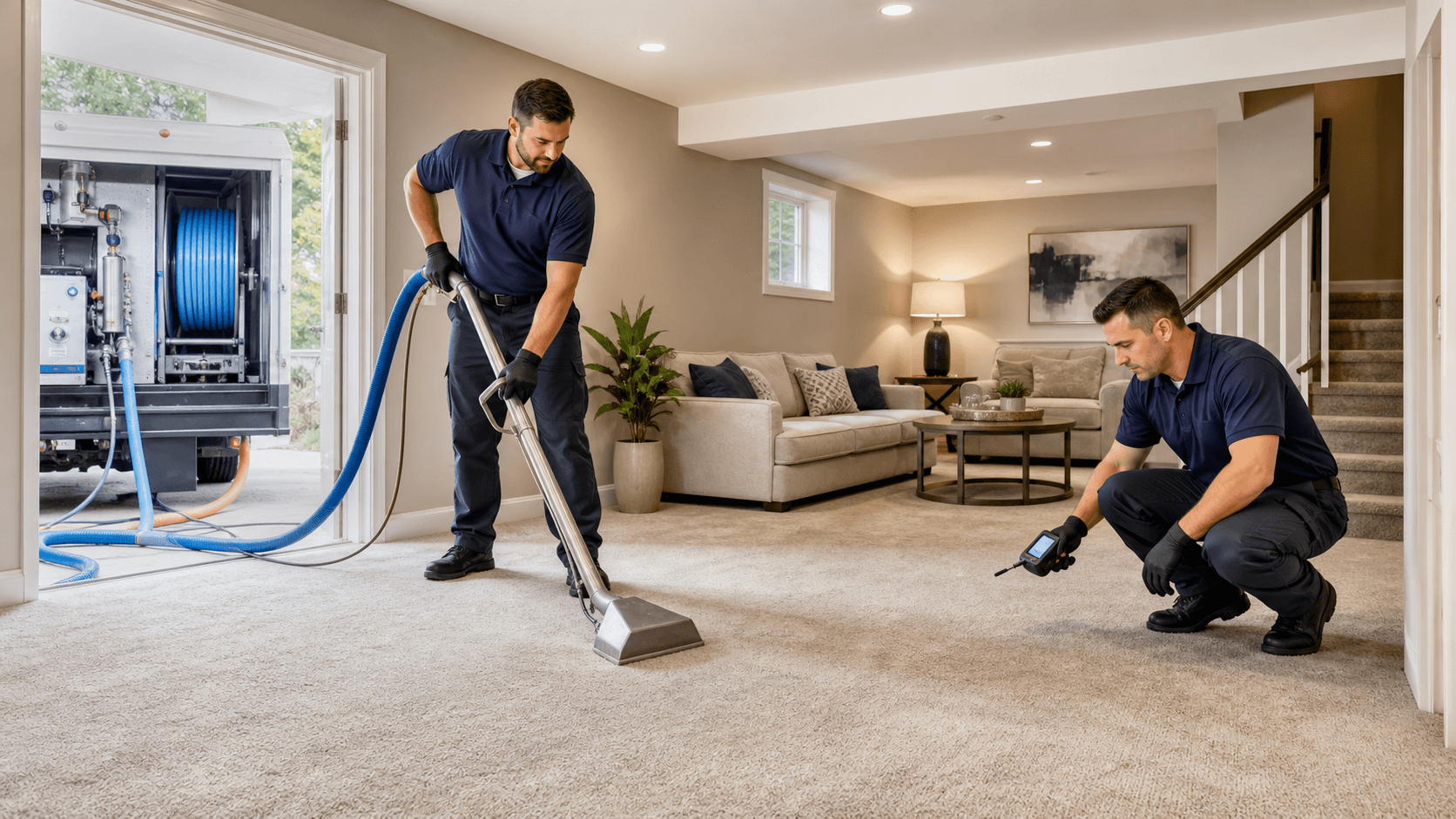
- Deep carpet and rug cleaning to pull out residue and odor-causing debris
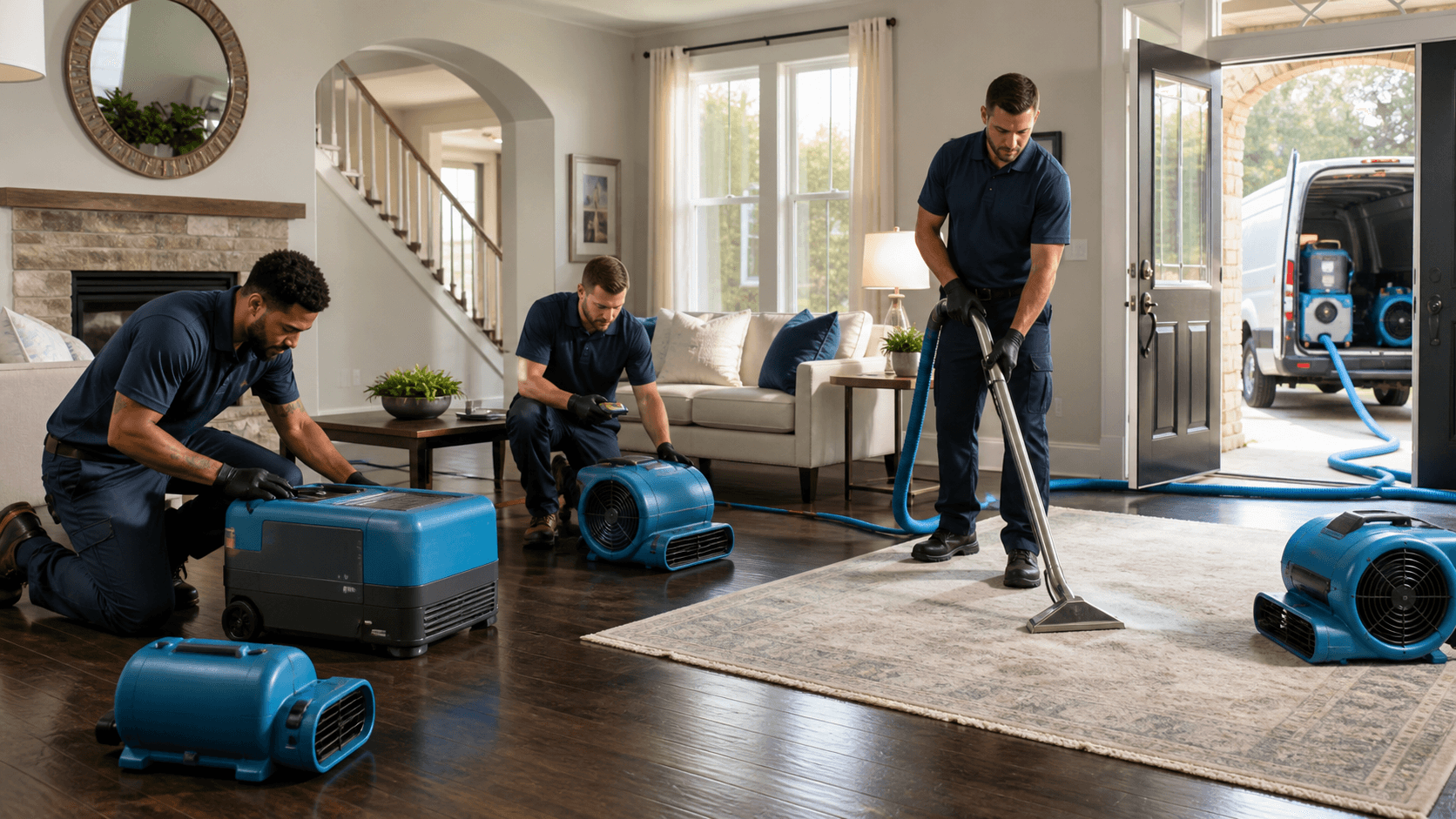
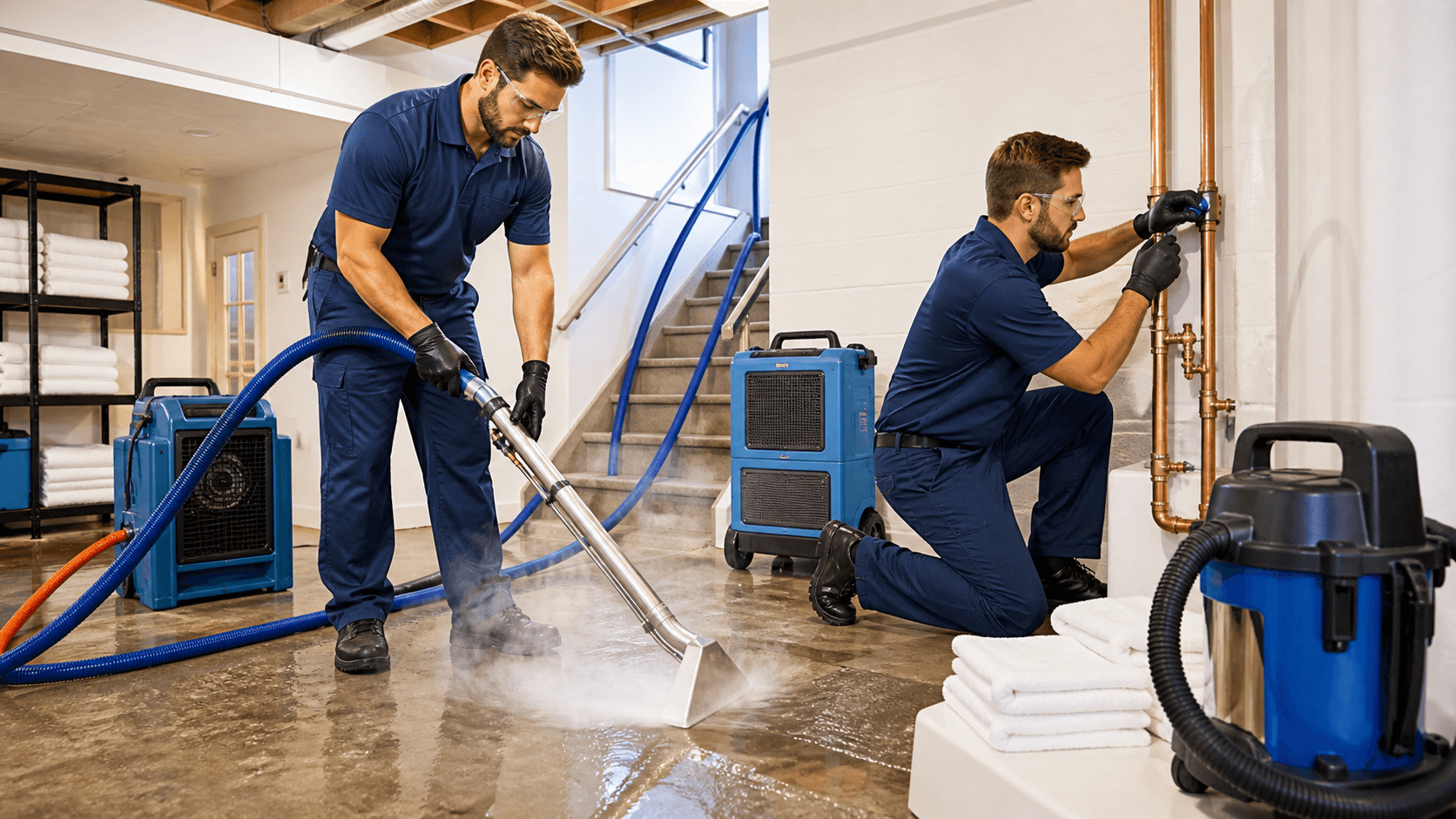
- Structural drying with professional-grade equipment
The goal is to dry, clean, and treat the structure itself so the odor no longer has anything to feed on. It is about removal, not masking.
Local experience also matters. A company that works across the Chicago area and in Glenview day after day understands local soil conditions, common basement layouts, and the way seasonal humidity affects drying. That knowledge helps technicians spot likely trouble areas faster and choose methods that match how homes here are built.
Protecting Your Basement Before and After Heavy Rains
You cannot stop the rain, but you can lower the chances of water damage and lingering odors. A few simple steps before storm season can make a big difference.
Good prep for late-summer storms includes:
- Checking that your sump pump is working and has a clear discharge line
- Cleaning gutters and downspouts so water flows away from the foundation
- Looking for cracks in basement walls or the floor and having them assessed
- Storing boxes and valuables on shelves instead of directly on the floor
If water does get in, the first hours and days matter. The longer materials stay wet, the higher the chance that odors and damage will spread. A helpful timeline looks like this:
- Within hours: Stop the source of water if possible and keep people away from any unsafe areas.
- First day: Remove any easily movable wet items and keep them in a safe, dry place for professional assessment.
- First few days: Professional water damage restoration should begin so drying, cleaning, and odor control can happen before problems set in.
Even after everything seems dry, keep an eye, and nose, on your basement. Ongoing checks can include:
- Sniffing for musty or earthy smells, even faint ones
- Watching for peeling paint, bubbling drywall, or new stains
- Noticing rust on metal items or dampness on stored boxes
- Looking for visible condensation on walls or windows
These are all early warnings that moisture may still be hiding and that a professional inspection is a smart next move.
Why GreenStar HomePro Is Glenview's Trusted Odor Partner
When basement odors linger after water damage, you need more than a quick spray or plug-in. You need a team that understands water, mold, and structure, and who can handle both the cleanup and the repairs that follow.
GreenStar HomePro is a family-owned and operated company for more than 50 years, spanning three generations, serving homeowners in the Chicago area. We are IICRC-certified (Institute of Inspection, Cleaning and Restoration Certification [IICRC]), and we've received the Carpet and Rug Institute Seal of Approval as well as the Clean Trust from the IICRC. Our company is licensed and insured. All our technicians are certified and licensed for mold inspection, mold removal, water damage restoration, and carpet cleaning; tile and rug cleaning; drywall installation; remodeling; home repair; and maintenance.
Because we are a full-service team, we can address the odor, the water damage behind it, and the repairs that bring your basement back to normal. From detailed inspections and structural drying to cleaning, deodorizing, and rebuilding, our goal is a dry, fresh, and comfortable space that feels like part of your home again.
Get Started With Your Project Today
If lingering smells are making your home less comfortable, we are ready to help restore fresh, healthy air. Learn how our professional odor removal in Glenview can target the source of odors, not just cover them up. At GreenStar HomePro, we tailor our solutions to your space so you get results that last. Have questions or want to schedule service? Just contact us and we will walk you through the next steps.