Stop Winter Water Disasters Before They Spread
Frozen and burst pipes are among the fastest ways winter can turn from inconvenient to overwhelming. A small crack inside a wall or basement line can send gallons of water into your home or business in minutes, soaking drywall, flooring, insulation, and personal belongings before you even know what happened. If the leak is not handled correctly, that moisture can linger, weaken structural materials, and lead to mold growth.
In the Chicago area and suburbs like Libertyville, long stretches of freezing temperatures put plumbing under heavy stress every year. What starts as a slow drip can quickly become sagging ceilings, warped floors, and strong odors. Acting quickly and following the right steps is the difference between a small repair and a major restoration project.
Our family at GreenStar HomePro has been helping local families and businesses respond to these winter emergencies for more than 50 years, across three generations. We provide water damage restoration, mold remediation, and deep cleaning services throughout Chicago and the surrounding Illinois suburbs, including Libertyville. In this guide, we share what we have learned about preventing frozen pipes, handling emergencies, and choosing the right help when you need water damage restoration in Libertyville.
How Burst and Frozen Pipes Happen in Chicago Winters
When temperatures drop below freezing, the water inside your pipes can start to freeze. As water turns to ice, it expands and creates pressure inside the pipe. If that pressure has nowhere to go, the pipe can crack or burst, especially at weak points like joints, elbows, or older sections of pipe.
The risk is higher in certain areas of a property, such as:
- Pipes in exterior walls with little or no insulation
- Lines running through unheated basements, crawl spaces, or garages
- Plumbing near drafty windows, doors, and vents
- Outdoor spigots, sprinkler lines, and supply lines close to foundations
There are early warning signs many people overlook, including:
- Reduced water flow or no water from a faucet that usually works
- Banging, clanging, or whistling sounds coming from inside the walls
- Frost or condensation forming on exposed pipes
- Damp or discolored drywall, ceilings, or baseboards
- Unexplained puddles on floors or under cabinets
Older homes and commercial buildings in Libertyville and nearby suburbs often have aging plumbing and less insulation than newer construction. That combination makes them more vulnerable when repeated freeze-thaw cycles hit. A simple pre-winter inspection of exposed pipes, insulation, and drafty areas can help reduce emergency calls for water damage restoration in Libertyville once the deep cold arrives.
Emergency Steps When a Pipe Freezes or Bursts
When you suspect a frozen or burst pipe, every minute counts. Staying calm and taking clear, safe steps can limit the damage before help arrives.
Here is a basic emergency checklist:
- Shut off the main water supply to the building. This is usually in a basement, utility room, or near the street.
- If water is near electrical outlets, appliances, or the breaker panel, cut power to the affected area if you can do so safely.
- Move furniture, electronics, rugs, and valuables away from wet areas.
- Place buckets or containers under active leaks and use towels to slow the spread of water.
If you have a pipe that is frozen but has not burst, there are some careful DIY steps you can take:
- Open the faucet that the pipe feeds so thawing water can flow out.
- Gently warm the pipe with a hair dryer, starting closest to the faucet and working back toward the frozen area.
- Use a space heater placed at a safe distance to warm the room, keeping it away from flammable materials and standing water.
- Never use an open flame, blowtorch, or extreme heat on plumbing, which can damage pipes and create fire hazards.
It is time to bring in professionals right away if:
- You see a ceiling bulging or sagging from trapped water
- There is standing water spreading across floors or into multiple rooms
- You suspect sewage or contaminated water is involved
- You are unsure if it is safe to access breakers, outlets, or wet areas
In these situations, trained restoration crews can stabilize the property, assess safety risks, and begin water damage restoration in Libertyville quickly, often preventing secondary problems like mold or structural decay.
Professional Burst Pipe Cleanup and Repair Process
Once the immediate flow of water is under control, proper cleanup and repair are essential. At GreenStar HomePro, our team starts with a thorough inspection so we understand the full scope of the damage.
A typical professional response includes:
- Visual inspection and moisture mapping with specialized tools to find hidden water in walls, floors, and ceilings
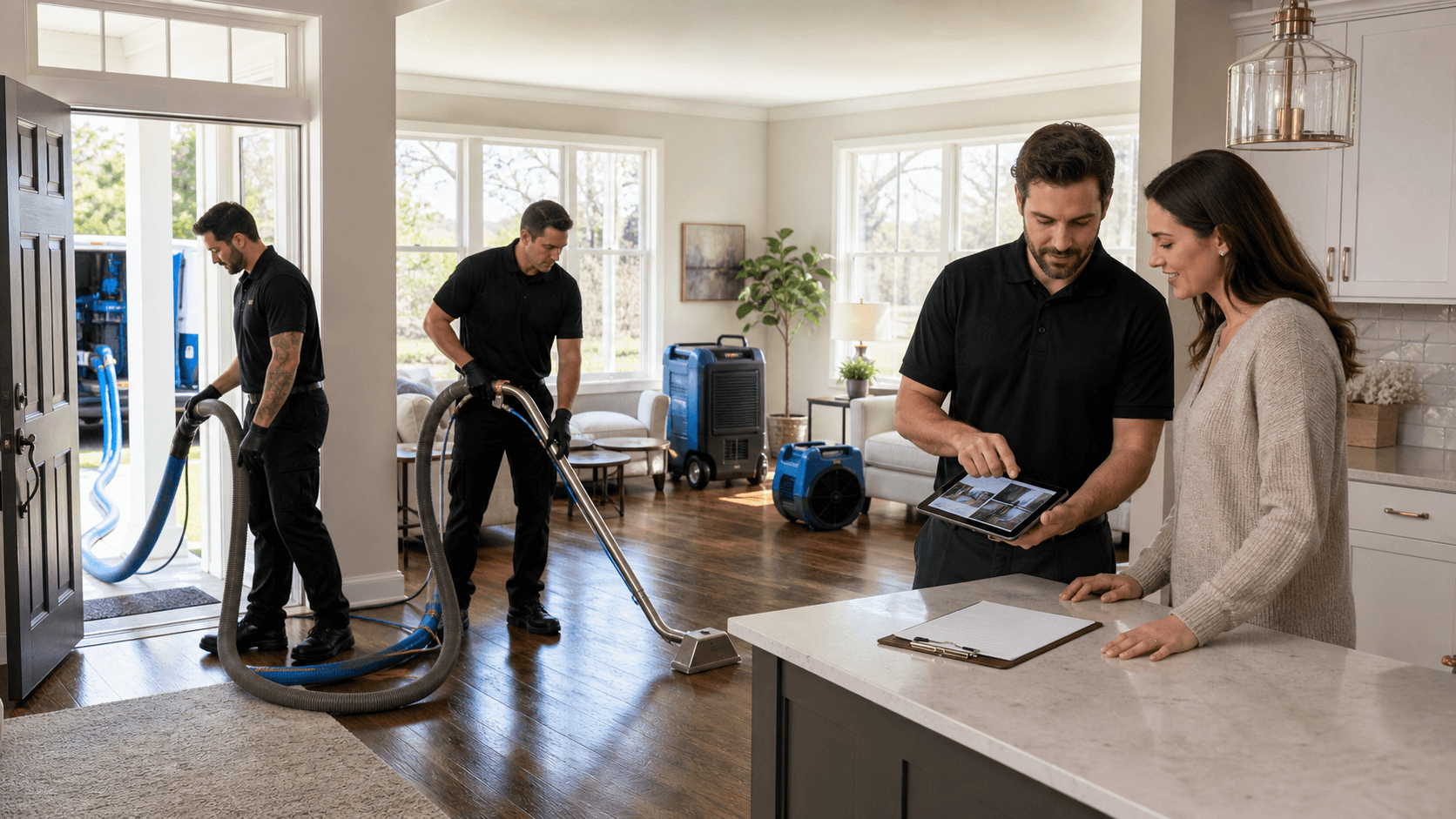
- Documenting damage for property owners and insurers, including photos and notes on affected materials
- Creating a custom restoration plan based on the type of water, building materials, and your priorities
The cleanup steps usually follow a proven sequence:
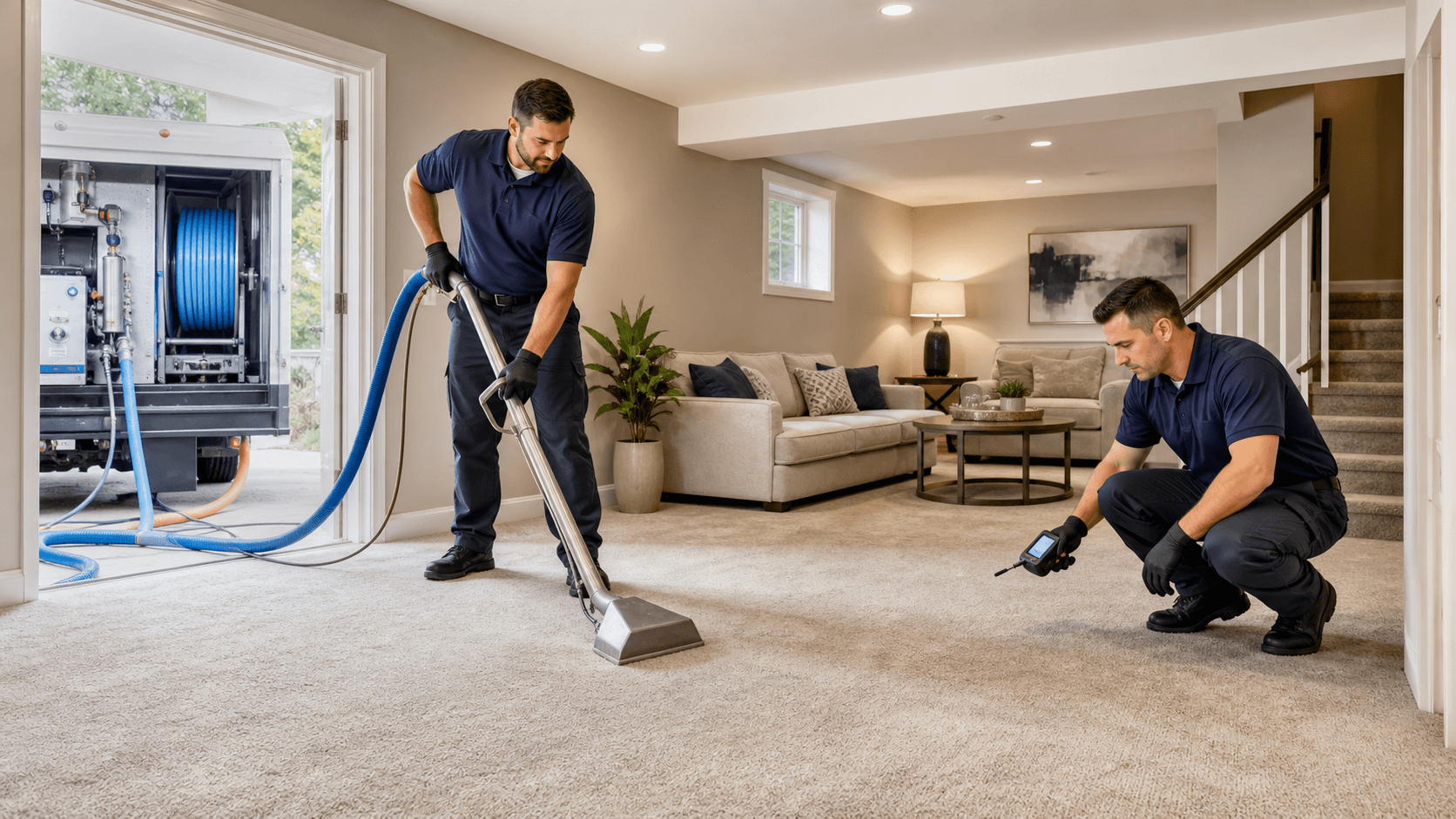
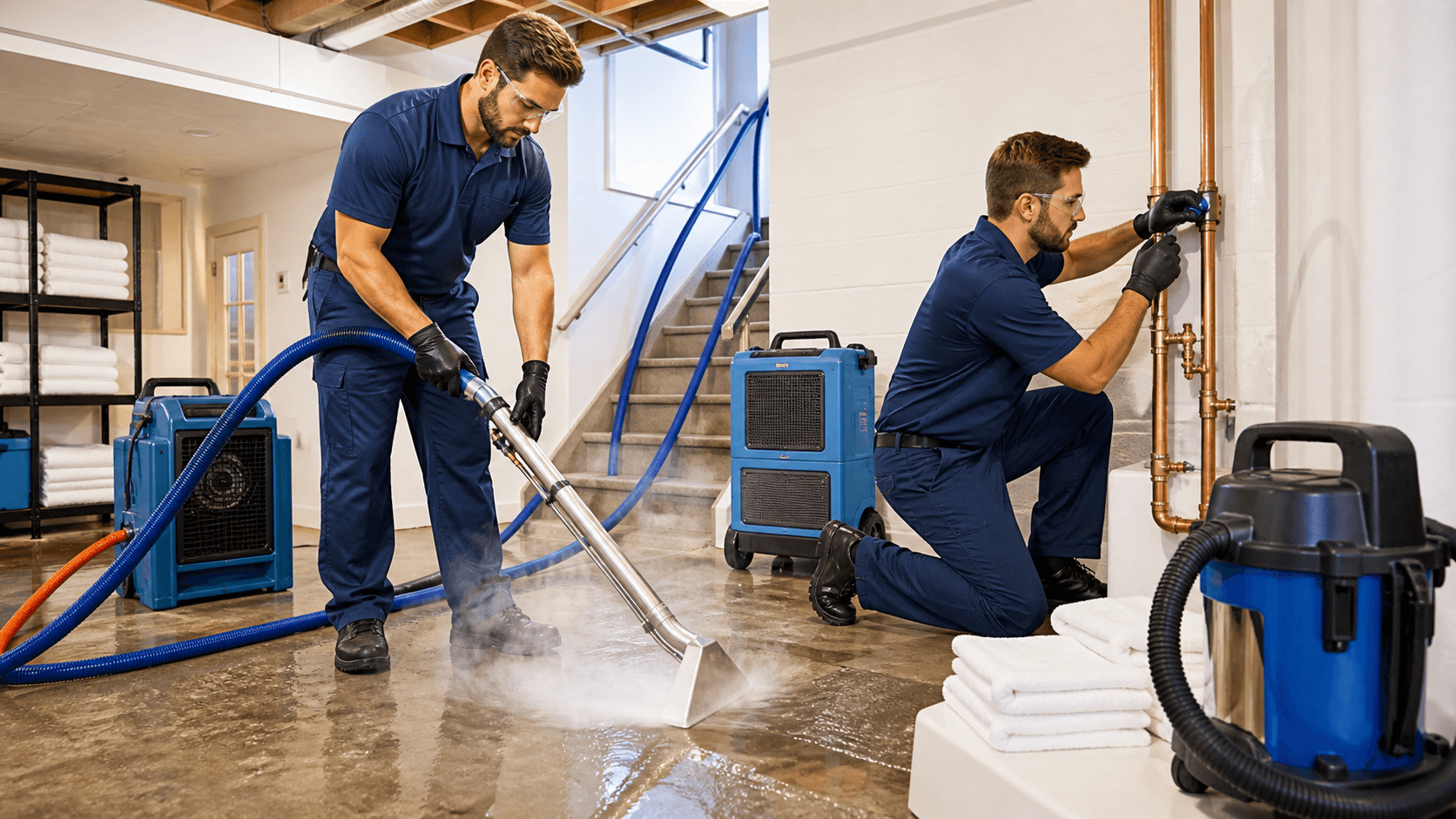
- Water extraction with powerful equipment to remove as much standing water as possible
- Removal of heavily soaked materials such as unsalvageable carpet, padding, baseboards, or drywall sections
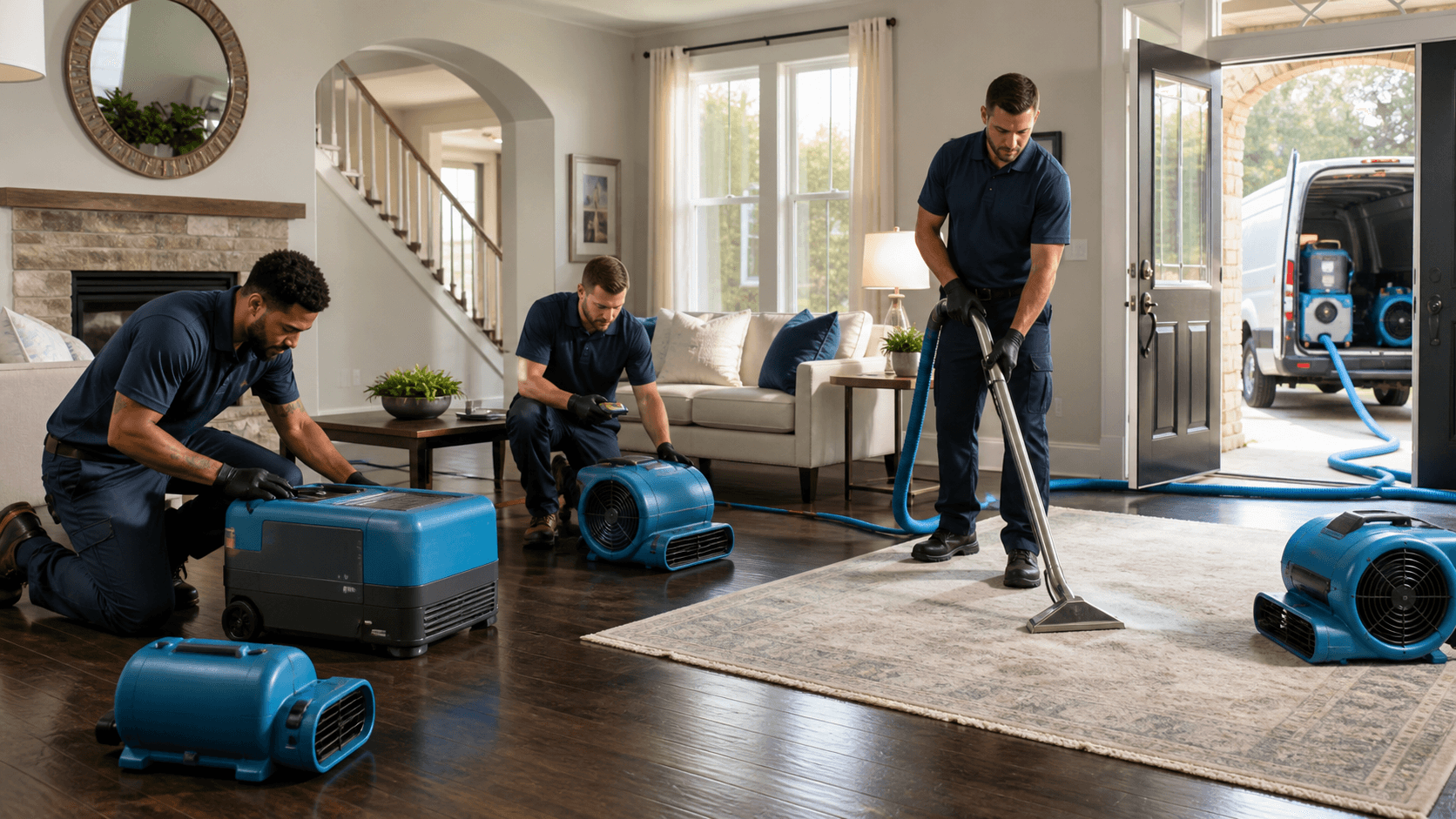
- Industrial drying and dehumidification to pull moisture out of the air and building materials
- Cleaning and disinfecting surfaces to help reduce the risk of mold and odors
- Deodorizing to address lingering musty smells
Plumbing repairs are just as important as drying. Licensed plumbers and restoration technicians can:
- Locate and repair the exact section of broken pipe or fittings
- Inspect connected lines and nearby plumbing for stress cracks or slow leaks
- Confirm water pressure is balanced and flowing correctly
- Coordinate with contractors for any needed rebuilding or finish work once the structure is dry
The goal is not only to clean up visible damage but to leave your home or business dry, clean, and ready for safe use again.
Long-Term Prevention to Protect Your Pipes All Winter
Preventing frozen pipes is almost always easier and less expensive than dealing with a burst. A few simple steps before and during cold weather can significantly lower your risk.
Consider these prevention tips:
- Insulate exposed pipes in basements, crawl spaces, garages, and utility rooms.
- Seal gaps and cracks around windows, doors, and wall penetrations where cold air can hit plumbing.
- Keep cabinet doors open under sinks on very cold nights so warm air can reach the pipes.
- Maintain a steady indoor temperature, even when you are away.
- Let faucets drip slightly during extended deep freezes to keep water moving.
Some properties around Libertyville need extra attention, such as:
- Vacant homes that sit without regular heat or water use
- Rental units where tenants may lower thermostats too far when traveling
- Small businesses that close overnight or on weekends, leaving issues unnoticed for longer periods
Seasonal maintenance visits, routine moisture checks, and early intervention from an experienced, family-owned company like ours can reduce the chance that a small problem turns into a major water damage restoration in Libertyville. Even quick visual inspections in fall and mid-winter can catch trouble spots before a hard freeze hits.
Take Control of Winter Plumbing Emergencies Today
Winter plumbing problems do not have to catch you off guard. Taking a little time now to prepare can save money, stress, and disruption later. Many property owners find it helpful to create a simple winter plumbing checklist that includes locating the main water shutoff valve, checking exposed pipes, testing heat in vulnerable areas, and saving trusted emergency contacts in their phone.
Even when a pipe bursts and water spreads fast, timely action and professional help can bring your home or business back to a safe, comfortable condition. Our team at GreenStar HomePro has spent decades helping Chicago area families and businesses recover from water, mold, and deep cleaning challenges, and we understand how stressful these moments can be. With the right knowledge and a clear plan, you can face the next cold snap with more confidence, knowing you are ready to protect your property from winter water damage.
Protect Your Home With Fast, Professional Restoration Today
If you are dealing with leaks, flooding, or lingering moisture, we are ready to help restore your property quickly and safely. Our team at GreenStar HomePro provides trusted water damage restoration in Libertyville tailored to the specific needs of your home. Reach out today so we can assess the damage, explain your options, and start the cleanup and drying process right away. For questions or to schedule service, please contact us.