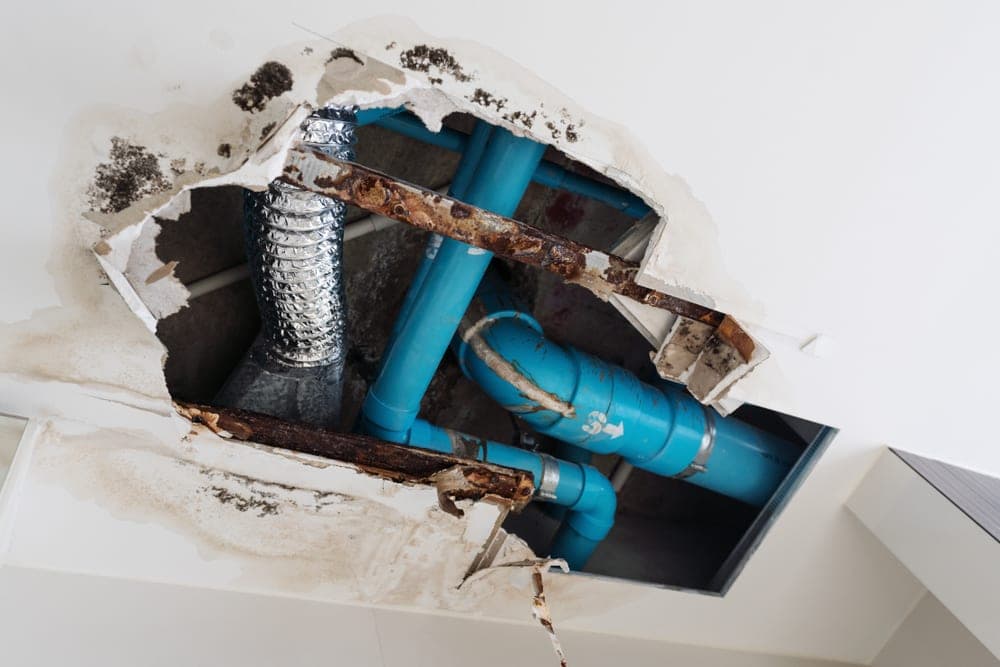
Hidden Mold Can Turn Your Lake Forest Haven Hazardous
Mold in Lake Forest homes is more common than many people think. Older houses, lake breezes that carry moisture, humid summers, and wet spring storms all work together to keep surfaces damp. That extra moisture is exactly what mold needs to get started, even when everything looks clean at first glance.
Mold does not only form on shower curtains or around a sink. It often hides deep in walls, under floors, and inside building materials. You may smell a musty odor or notice allergy-like symptoms at home, but see nothing on the surface. When that happens, a professional mold inspection in Lake Forest can help find what your eyes cannot see.
We work in homes across Chicago and the suburbs, so we understand how local building styles, basements, and the nearby lake all affect moisture. With IICRC-certified training in restoration and cleaning, we know where mold tends to hide and how to track it to the source.
Bathroom Spaces Where Moisture Quietly Fuels Mold
Bathrooms are mold hot spots because water and steam are part of daily life in there. The problem is that much of that moisture slips behind finishes and stays trapped.
Common hidden areas in and around showers and tubs include:
- Behind tile and grout where cracks let water reach the drywall
- Under caulking along the tub or shower base
- Inside exhaust fan housings and ducts where steam condenses on cooler metal and plastic
There are other bathroom spots many people never think about:
- Inside vanity cabinets with slow drips from supply lines or drain traps
- Behind toilets when tanks sweat and drip down the back
- Under flooring where past tub overflows or toilet backups soaked the subfloor
During summer, families often take more showers, humidity climbs, and windows stay shut for AC. Moist air hangs in the room for longer, which lets damp spots stay wet. Over time, that creates ideal conditions for mold to grow out of sight.
Watch for warning signs like:
- Peeling paint or blistering drywall near the shower
- Recurring mildew stains that come back after cleaning
- A musty smell that never fully goes away
Surface bleach rarely solves these problems and can even hide stains while mold keeps growing behind. When those signs show up, it is usually time for a professional to check for hidden moisture and mold.
Kitchen Corners and Appliances That Hide Mold Growth
Kitchens have several steady water sources, which is great for cooking and cleaning but not so great for mold control. Small leaks and condensation often collect in dark, closed spaces where you rarely look.
Key trouble spots include:
- Under sinks with tiny plumbing drips that keep wood damp
- Behind dishwashers where supply or drain lines seep slowly
- Behind refrigerators with ice-makers or water dispensers
- Under old vinyl or laminate flooring that trapped water from past spills
Condensation and long-term leaks can feed mold in:
- Wall cavities behind cabinets and backsplashes
- Toe-kicks at the bottom of cabinets
- The back side of baseboards and trim
In summer, refrigerator drip pans and defrost drains can also be a problem. When they clog or overflow, moisture sits in a dark, warm space under the fridge. Warmer cooking areas and higher humidity add to the risk, which makes summer a smart time to consider a mold inspection in Lake Forest kitchens.
Simple habits can help you spot issues early:
- Feel cabinet bases for soft or warped areas
- Look for staining or dark patches under sinks
- Check refrigerator drip pans and clean them as needed
- Watch for buckling, lifting, or spongy flooring near water sources
If you see or smell something off and cannot find where it is coming from, hidden mold behind cabinets or appliances may be the cause.
Basements, Attics, and Ductwork That Trap Summer Humidity
Basements and crawl spaces in Lake Forest often deal with moisture from the soil and from changing outdoor conditions. After spring rains, foundation seepage can leave damp spots along walls and floors. In humid summer weather, cool concrete surfaces pull moisture out of the air through condensation, even when there is no active leak.
Mold in these areas often hides:
- Behind wood paneling or finished walls
- On the back sides of stored items pushed against foundation walls
- Inside insulation or under old carpet and padding
Attics have their own set of risks. Past roof leaks from storms may have dried on the surface but left mold behind. Common attic mold locations are:
- The underside of roof decking
- Around bathroom fan vents that exhaust into the attic instead of outside
- On or inside insulation where warm, moist air from the house collects
HVAC systems and ductwork can spread mold spores without any visible growth in living spaces. Problems often start in:
- Dirty or clogged condensate pans that stay wet
- Poorly insulated or leaky ducts in hot attics or damp basements
- Damp air handlers where condensation is not draining correctly
These areas are often tight, dusty, and hard to access safely. A professional inspection uses tools like moisture meters, thermal imaging, and trained visual checks to find hidden moisture and mold colonies before they spread.
Soft Surfaces, Windows, and Everyday Items You Might Overlook
Mold loves porous, soft materials because they soak up water and dry slowly. Even small spills or a bit of humidity can be enough if the material stays damp for long periods.
Common hiding places include:
- Carpet and padding after minor spills or wet shoes
- Upholstered furniture in damp rooms or near leaky windows
- Stored cardboard boxes that absorb moisture from concrete floors
Windows can also be trouble. When cool indoor air hits hot, humid outdoor air, condensation builds up on window frames and sills. If moisture sits there, mold can grow:
- In the corners of frames and on caulk lines
- In wood sills where paint is cracked
- Between double panes when seals fail and moisture gets trapped
Summer habits can make things worse. Closed windows for AC, irregular use of dehumidifiers, and piles of damp towels or workout gear all add to indoor moisture. Mold may start inside fabrics and padding long before stains show on the surface.
Cleaning light surface growth on non-porous materials can sometimes be enough. But when mold is inside carpet, padding, drywall, insulation, or cushions, professional remediation or replacement is usually needed to avoid spreading spores and harming indoor air quality.
How to Know It's Time for a Professional Mold Inspection
Many Lake Forest homeowners are not sure when concern turns into a real problem. Some red flags that often point to hidden mold are:
- Persistent musty or earthy odors that you cannot trace
- "Mildew" that keeps coming back in the same spots
- Unexplained congestion, headaches, or aggravated asthma that ease when you leave home
- Any history of leaks, overflows, roof issues, or flooding, even if they seemed minor
A professional mold inspection in Lake Forest goes beyond wiping surfaces. It focuses on:
- Finding where extra moisture is coming from
- Checking likely hiding places that are hard to reach
- Testing materials as needed to confirm mold growth
- Creating a clear plan for safe removal and drying
As an IICRC-certified restoration company, we approach mold with a step-by-step process. That includes careful assessment, clear explanations of what we find, proper containment, safe removal of affected materials, and thorough drying and cleaning to help prevent mold from returning.
Many homeowners choose midsummer or early fall for inspections. By that point, spring moisture and summer humidity have done their work, but windows are not yet closed tight for cooler weather. Catching issues then can help protect your home and health before small moisture problems turn into serious mold growth.
Protect Your Home and Health With a Professional Mold Inspection Today
If you have noticed musty odors, recent water damage, or visible spots on walls or ceilings, it is time to schedule a professional mold inspection in Lake Forest. At GreenStar HomePro, we use detailed assessments and proven methods to identify the source of moisture and mold so you can address problems before they spread. Our team will explain your options clearly and help you choose the right solution for your home and budget. Reach out today through our contact page to book your inspection and get straightforward answers about the condition of your property.