Breathe Easier in Barrington Hills This Season
Indoor air can get stuffy fast in Barrington Hills, especially as late summer hangs on. Humidity climbs, windows stay open, pollen drifts in, and the AC keeps recirculating the same dust and particles. All of that can add up to air that feels heavy, smells a little off, or seems to bother anyone with allergies or asthma.
Simple, low-cost DIY screening tools can act like a quick checkup for your house. They help you spot warning signs early, before you are dealing with mold growth, musty rooms, or a family member who always feels worse at home. With the right tools and a little routine, you can catch problems while they are still easy to manage.
We have been a family-owned and operated company for more than 50 years, across three generations, serving the greater Chicago area, including Barrington Hills. We are IICRC-certified (Institute of Inspection, Cleaning and Restoration Certification), and we've received the Carpet and Rug Institute Seal of Approval as well as the Clean Trust Certification from the IICRC. Our company is licensed and insured. All our technicians are certified and licensed for mold inspection, mold removal, water damage restoration and carpet cleaning, tile and rug cleaning, drywall installation, remodeling, and home repair and maintenance. We are here to help you understand what your DIY tools are telling you and to step in when the issue is bigger than a simple screen.
Common Indoor Air Concerns in Barrington Hills Homes
Late summer and early fall around Barrington Hills often bring heavy storms and sticky air. That can leave behind hidden moisture in basements, crawlspaces, and lower-level rooms. Add in pet dander, pollen tracked in on shoes, and smells from new floors or fresh paint, and indoor air quality can slide quickly.
Most indoor pollutants fall into three main groups:
- Particulates: dust, pet dander, smoke, and tiny fibers
- Biologicals: mold spores and some types of bacteria
- Gases: VOCs, or chemical vapors, from cleaners, paints, furniture, and fuel-burning appliances
These pollutants show up in everyday ways. Rooms may feel stuffy even with the AC running, dust may seem to build back up a day after you clean, and certain rooms may hold onto a lingering musty or chemical smell. Family members may also notice symptoms such as sneezing, coughing, or a runny nose; headaches or brain fog at home; irritated eyes or throat; and asthma flare-ups or a tight chest.
None of these automatically mean there is a serious problem, but they are all signs that indoor air quality in Barrington Hills homes deserves attention, especially when they keep coming back.
Affordable DIY Tools to Screen Your Indoor Air
You do not need a lab to get a rough sense of what is happening in your home. There are simple tools that provide helpful clues, as long as you know what they can and cannot tell you.
Common DIY screening tools include:
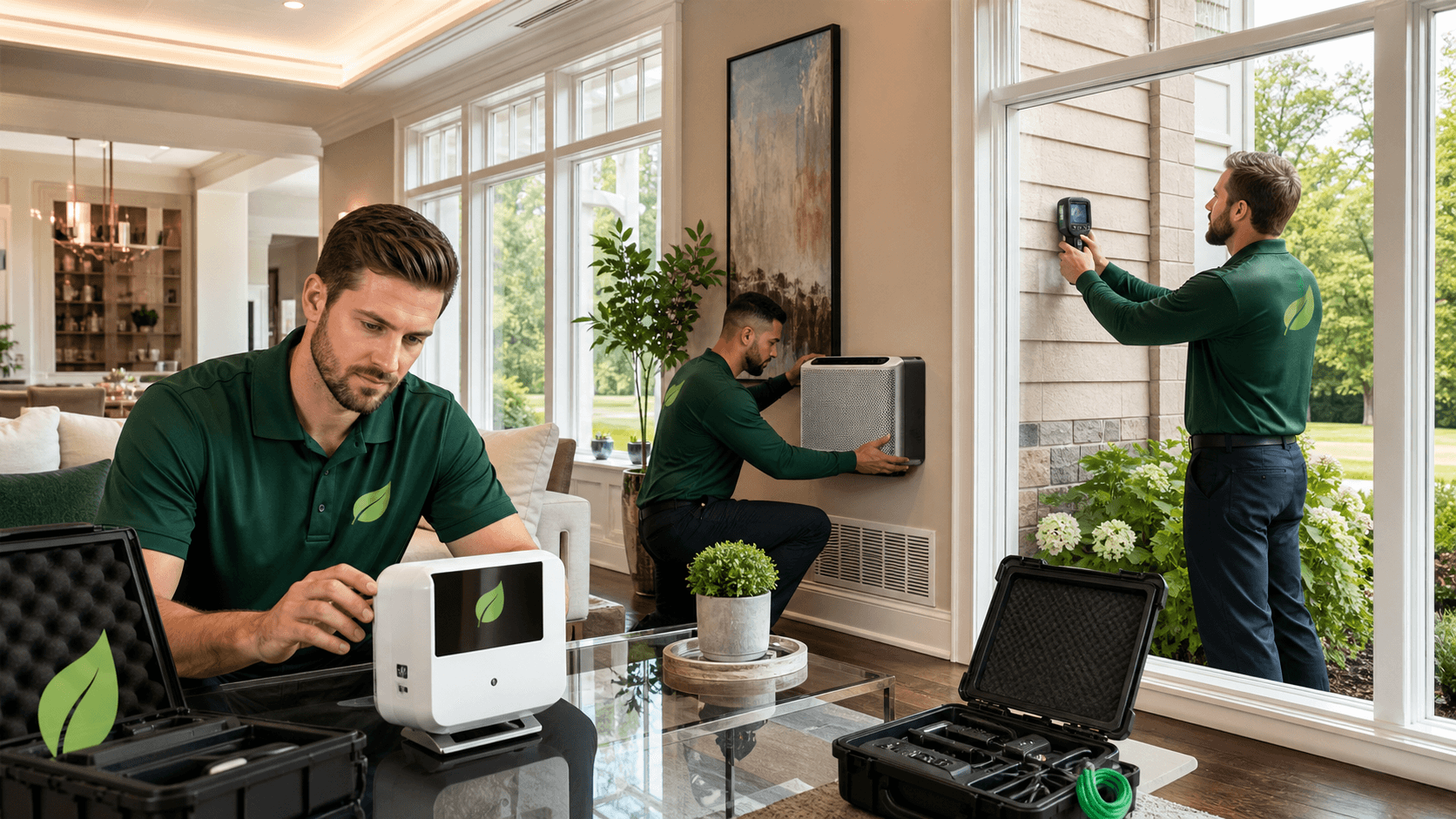
- Basic particulate or air quality monitors that show particle levels
- Hygrometers that measure humidity
- Carbon monoxide (CO) detectors for combustion safety
- Radon test kits for lower levels and basements
- Simple VOC indicator monitors
- Handheld moisture meters for walls, floors, and trim
These tools can be very useful, but each one has limits. Particulate monitors show how many particles are in the air, not what they are. The screen might spike when you vacuum, cook, or light a candle, but it will not say if the particles are mold, dust, or smoke. Hygrometers show humidity levels, but they do not confirm mold, high readings, especially in basements, bathrooms, and laundry rooms, simply tell you conditions are right for mold to grow. Radon kits come in short-term and long-term versions; short-term kits are good for a quick snapshot, but long-term tests give a better picture of your true exposure. VOC and overall air quality monitors also tend to show patterns and trends, not a full list of every chemical in the home.
When shopping, many Barrington Hills homeowners find it helpful to look for:
- Clear, easy-to-read displays, not confusing codes
- Simple color or number scales that are easy to understand
- Data logging so you can see how readings change over days
- Battery backup so your monitor keeps working during storms
- Reputable brands with clear instructions and support
DIY tools are great for screening, but they are not full diagnostics. They are like a home thermometer: useful for spotting trouble, but they do not replace a professional check when numbers stay off.
Smart Monitor Placement in Every Key Area
Where you place your devices matters almost as much as which ones you buy. Good placement gives you a more honest picture of indoor air quality in Barrington Hills homes.
For a whole-home snapshot, place monitors in main living areas like the family room or den, in the primary bedroom, and in children's rooms if they have allergies or asthma. Keep them at about breathing height, like on a side table or dresser.
Avoid placing them:
- Right next to vents or air returns
- In direct sunlight
- Directly over candles, diffusers, or cooking areas
Some spots around Barrington Hills homes deserve special attention:
- Basements and crawlspaces, especially after heavy rain
- Near sump pumps and along foundation walls
- Bathrooms, especially small ones with weak fans
- Laundry rooms with dryers and damp air
- Kitchens where cooking smoke and steam collect
A simple seasonal routine might look like this:
- Take daily readings during hot, humid weeks or when the AC runs nonstop.
- Check after big storms or any time you notice damp spots or water on floors.
- Watch for changes when you bring in new furniture, install new flooring, or paint.
- Pay attention if you see condensation on windows, especially in bedrooms and basements.
Patterns matter more than one odd reading. If numbers keep spiking or staying high in the same spots, that is a sign to look deeper.
DIY Tests vs. Professional Testing and Remediation
DIY tools are perfect for early warning and for answering, "Does something feel off?" They help you spot trends like high humidity in the basement or higher particle counts in a certain bedroom. They can also confirm that simple steps, like opening windows or running a fan, are helping.
What they do not give you are:
- Certified inspections or detailed moisture mapping
- Lab-tested samples of dust, mold, or air
- A clear picture of what is hiding inside walls, floors, or ductwork
Professional help is strongly recommended when:
- Humidity stays high even after you run fans and dehumidifiers
- You see visible mold growth on walls, ceilings, baseboards, or contents
- You have recurring water damage or past leaks that never fully dried
- Family members feel sick at home but better when they are away
- Air quality readings stay elevated despite cleaning and better ventilation
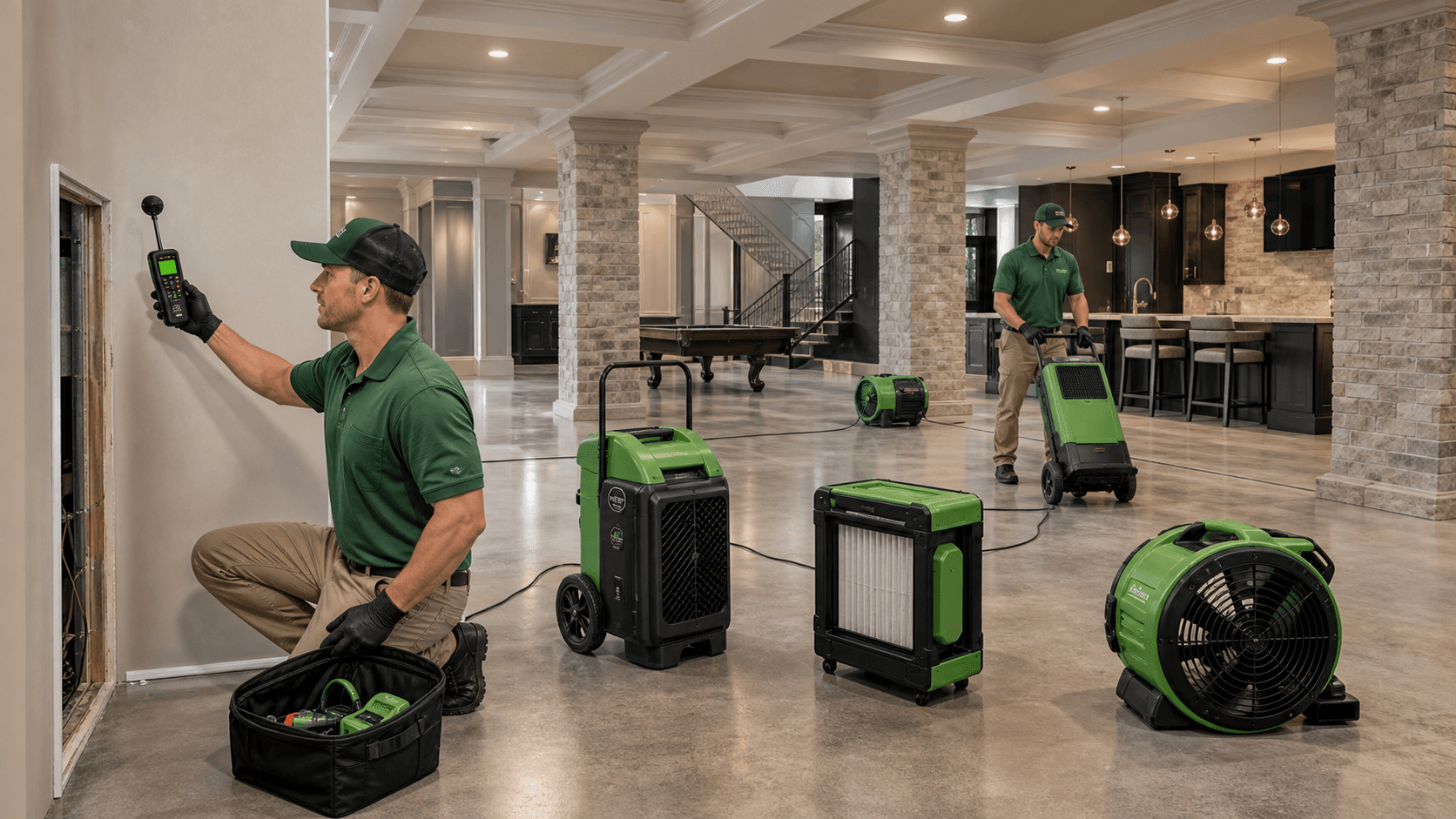
Our company is IICRC-certified (Institute of Inspection, Cleaning and Restoration Certification) and has received the Carpet and Rug Institute Seal of Approval and the Clean Trust Certification from the IICRC. Our company is licensed and insured. All our technicians are certified and licensed for mold inspection, mold removal, water damage restoration and carpet cleaning, tile and rug cleaning, drywall installation, remodeling, and home repair and maintenance. That means we can look beyond the numbers on your DIY monitor and address the moisture, contamination, or damage causing them.
When It Is Time to Call Our Team
DIY tools are a helpful first step, but they are not the last step. It is time for professional help when you notice things like:
- Monitors showing ongoing high particles, humidity, or VOCs
- Musty or earthy odors that never really go away
- Brown or black spotting on walls, ceilings, or around windows
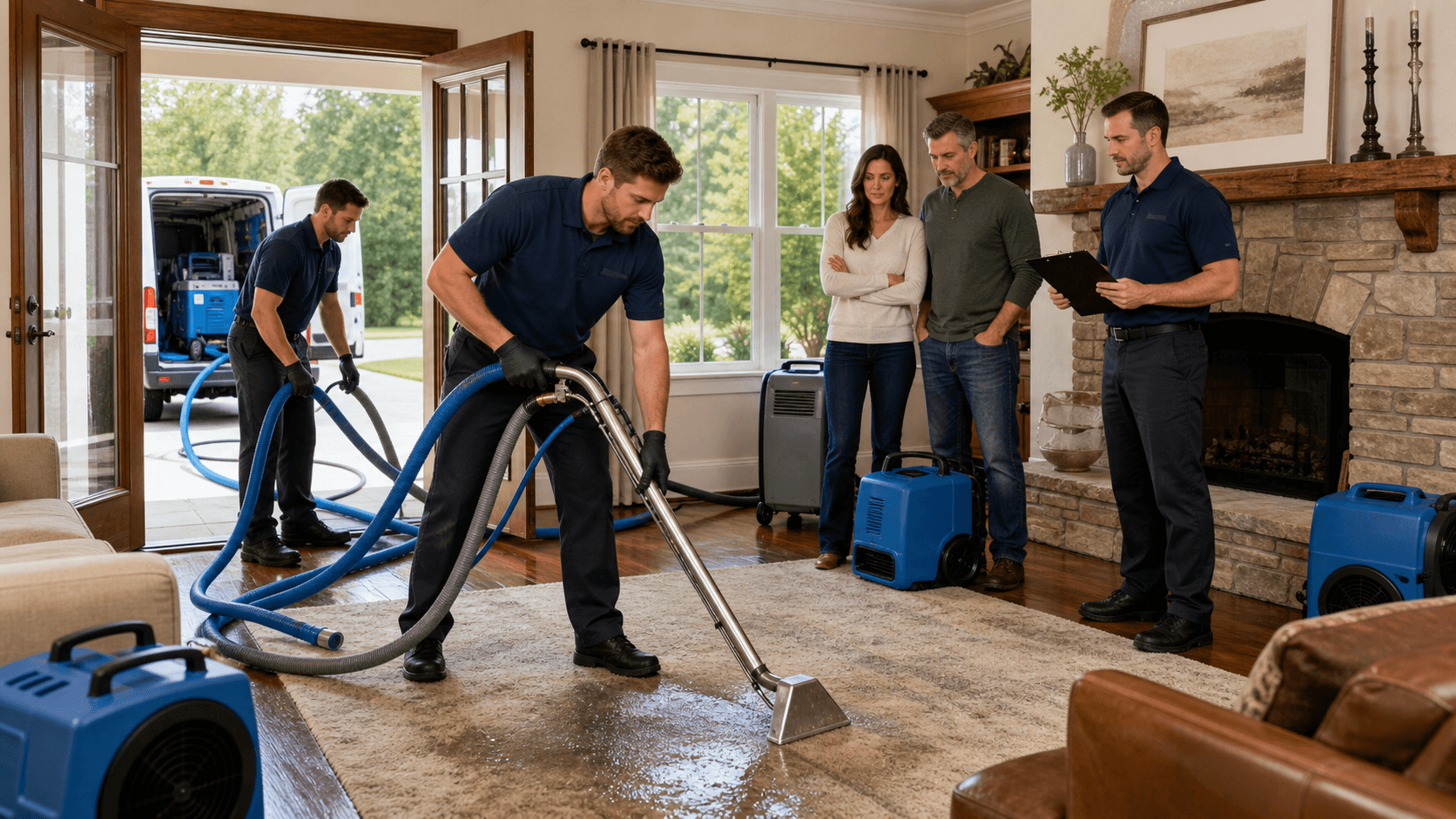
- Damp carpets, soft drywall, or buckling floors
- Worsening respiratory symptoms or headaches at home
At that point, the issue is usually more than a simple air issue. It often comes back to moisture that is trapped, materials that are contaminated, or surfaces that need deeper cleaning or repair. As a family-owned and operated company for more than 50 years, across three generations, we understand local homes, local weather, and how fast small leaks or humidity problems can turn into bigger damage.
We can bring in professional moisture detection, safe mold remediation methods, deep cleaning for carpets, tile, and rugs, and repair skills for drywall, remodeling, and home repair and maintenance. Your DIY monitors can still play a role as a long-term checkup, but pairing them with certified inspection and targeted restoration is how you keep indoor air quality in Barrington Hills homes healthy all year.
Get Started With Your Project Today
If you are ready to make your home healthier and more comfortable, we are here to help every step of the way. Our team at GreenStar HomePro can assess your current systems and recommend targeted improvements for indoor air quality in Barrington Hills. Tell us about your home and concerns, and we will provide clear options that fit your needs and budget. To schedule a visit or ask questions, simply contact us today.