When Your Libertyville Basement Floods, Act Fast
A flooded basement in Libertyville turns normal life upside down in a matter of minutes. You walk downstairs to put in a load of laundry and find standing water, soaked boxes, and that heavy, damp smell already starting to build. Stress kicks in fast, along with worry about what the damage will cost and whether your home is still safe.
Acting quickly is the best way to limit how much that flood will affect your house, your health, and your wallet. Moisture spreads into drywall, framing, and flooring, electrical hazards can develop around outlets and appliances, and mold can begin to form on damp materials faster than most people expect. Every hour that passes without a plan makes cleanup harder.
At GreenStar HomePro, we are a family-owned and operated restoration and cleaning company that has served Chicago-area suburbs, including Libertyville, for three generations. In this guide, we share what we have learned from helping local homeowners so you know what to do immediately, what to avoid, and when professional water damage restoration help is the safest choice.
Safety First Before Any Basement Cleanup Begins
Before touching a mop, wet/dry vacuum, or box of belongings, step back and think about safety. Water and electricity together create serious risks, and basements are full of both.
If you can do so without walking through standing water, start with these basic checks:
- Look at outlets, power strips, and cords near the waterline.
- Check whether any appliances like freezers or washers are submerged or partly underwater.
- If you can safely reach your breaker panel without crossing wet areas, shut off power to the basement.
If you see sparks, hear buzzing, or feel unsure about the electrical situation, stay away from the basement and wait for professionals.
Structural concerns matter too. Flooding and hydrostatic pressure can reveal or worsen problems, so pay attention to warning signs such as:
- Bowing or cracked foundation walls.
- Sagging ceilings under rooms that also got wet.
- Doors or windows in the basement that suddenly stick or will not close.
Floodwater can also bring health risks. It may contain sewage, chemicals from stored paints or cleaners, or bacteria tracked in from outside. Children, seniors, and pets should stay completely away from the flooded area until it is assessed and cleaned.
Certain red flags mean you should skip DIY, leave the area, and bring in trained help. This applies if:
- You smell strong sewage or chemical odors.
- You see toilet overflow, backed-up floor drains, or obvious sewage.
- Water is deeper than a couple of inches across a large area.
- You do not know where the water is coming from.
In these situations, trained technicians with the right protective gear and equipment are the safest way to move forward.
Finding the Source and Stopping the Water
Once you know it is safe to be in or near the basement, the next step is to figure out where the water is coming from. Libertyville basements often flood from a few common causes:
- Heavy rain that overwhelms drains and pushes groundwater through cracks.
- Sump pump failure from power loss, mechanical breakdown, or a stuck float.
- Burst or leaking pipes, especially in winter or in utility rooms.
- Water heater or appliance leaks.
- Seepage through foundation walls, window wells, or floor cracks.
A quick, methodical check can help you narrow down the source. Use the following checklist to guide what you look and listen for:
- Listen to the sump pit. Is the pump running, or is the pit overflowing?
- Look over exposed pipes for drips, spraying water, or condensation.
- Check around basement windows and window wells for water trails.
- Inspect foundation walls for active trickles or wet streaks.
If a pipe is leaking, shut off the main water supply to the home if you can safely access it. If the problem appears to be the sump pump, try these basic troubleshooting steps:
- Make sure the pump is plugged in.
- Check if a tripped breaker needs to be reset.
- Lift the float in the pit to see if the pump kicks on.
If the pump is dead, the pit keeps filling, or you suspect a broken line in the walls or floor, involve a plumber or restoration company quickly so the water source is controlled.
DIY Cleanup, Mold Prevention, and When to Call the Pros
Once you have either stopped the water or at least slowed it, you can begin basic cleanup if the flooding is minor and conditions are safe. Homeowners can usually handle smaller incidents where the water is shallow and clean, such as a few gallons from a washing machine overflow.
In manageable situations, your early priorities are removing water, protecting furniture and valuables, and getting airflow and drying started. Practical first steps include:
- Removing shallow water with a wet/dry vacuum, mops, and buckets.
- Lifting furniture onto blocks or placing aluminum foil under legs.
- Pulling up small area rugs and moving them to a dry, well-ventilated space.
- Carrying out boxes, paper products, and electronics first.
Set up fans and household dehumidifiers to start drying the air. Open windows if the outside air is not overly humid and it is safe to do so.
As you sort items, it helps to make quick keep-or-discard decisions so you are not drying things that cannot realistically be saved. Separate belongings into:
- Items to save, such as solid wood furniture and hard surfaces you can clean.
- Items to discard, like soaked cardboard, paper, and low-cost porous items.
The limits of DIY show up fast with materials like carpet padding, drywall, insulation, and baseboards. These often hold moisture deep inside and can stay damp even if the surface feels dry. Hidden moisture behind walls and under flooring is one of the biggest reasons mold develops after a flood.
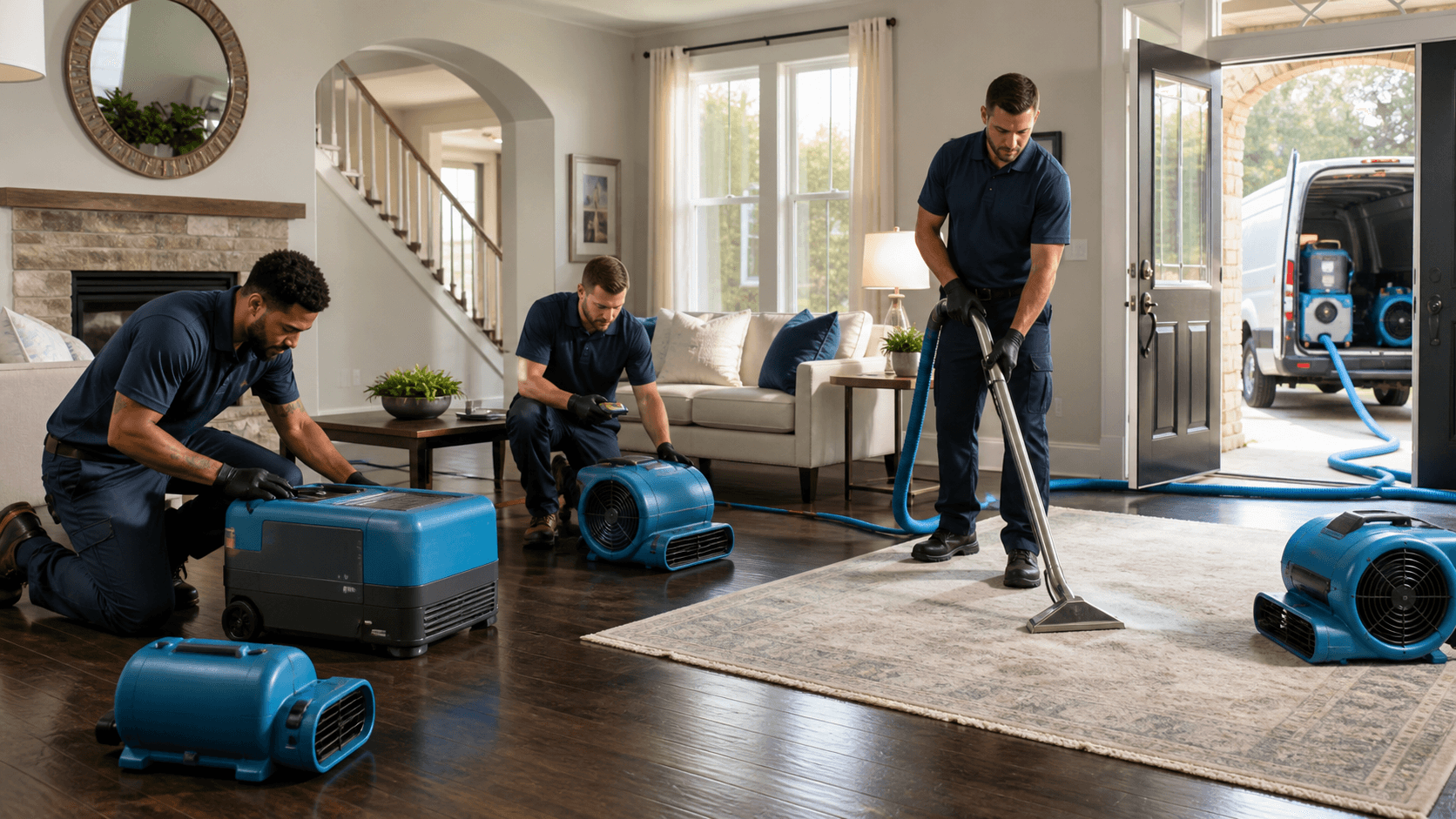
Professional restoration crews use moisture meters, thermal imaging, and industrial air movers and dehumidifiers to dry structural materials thoroughly. That level of inspection and equipment is especially important if the water has been present for more than a day, or if most of your basement was affected.
Mold prevention starts the moment water hits the floor. Mold can begin to form on damp materials relatively quickly if conditions are right. In a Libertyville basement, early warning signs may include:
- A musty or earthy odor that does not go away.
- Spots or streaks of discoloration on walls, wood, or contents.
- More sneezing, coughing, or itchy eyes when you are in the basement.
Because timing matters, the first 24 to 48 hours are critical for drying and removing materials that cannot be dried in time. Focus on:
- Aggressive dehumidification to pull moisture out of the air.
- Maximizing air circulation without blowing contaminated air into clean parts of the home.
- Removing porous items that soaked up water and will not dry quickly.
- Cleaning hard surfaces with appropriate antimicrobial cleaners.
If you see visible mold growth, smell persistent musty odors after drying, or know the basement stayed wet for an extended period, professional mold remediation is recommended. A qualified team will:
- Set up containment to keep spores from spreading.
- Use air filtration equipment to clean the air.
- Safely remove and dispose of contaminated materials.
Because GreenStar HomePro handles both water damage restoration and mold remediation, we understand how tightly those two issues are connected and build our plans to address both.
Some situations clearly call for professional flooded basement cleanup help, whether you are in Libertyville or searching for flooded basement cleanup in Schaumburg or nearby suburbs. You should strongly consider calling in a restoration team if:
- Water is deeper than a few inches or covers most of the basement.
- The flood involves sewage or unknown contaminants.
- The sump pump fails repeatedly or the water keeps returning.
- Water has been standing for more than 24 hours.
Compared to DIY efforts, professional services provide:
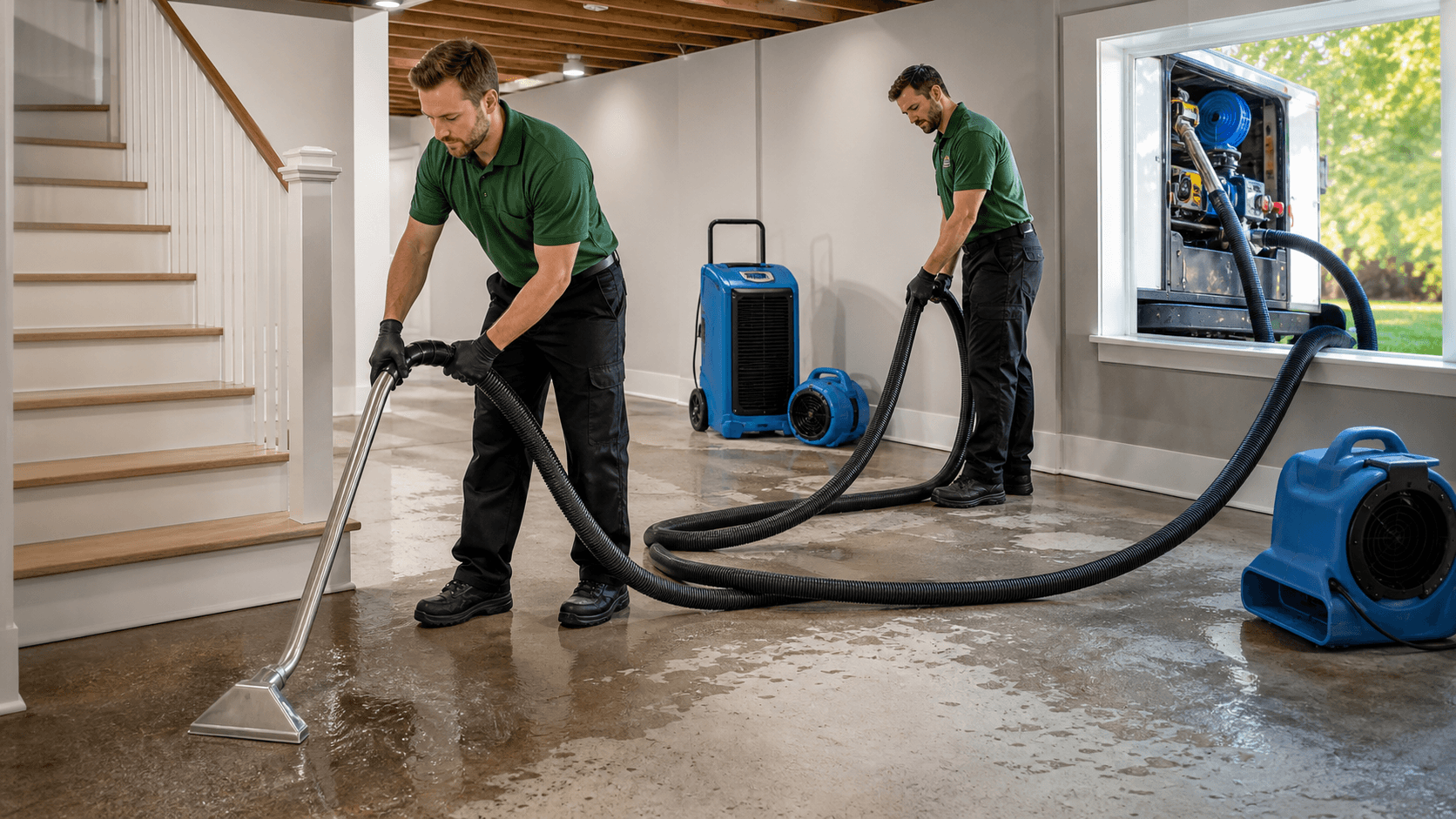
- Rapid response with high-capacity pumps and extraction tools.
- A structured drying plan based on measurements, not guesswork.
- Detailed documentation that can help when working with insurance.
- Long-term protection by addressing hidden moisture and potential structural problems.
At GreenStar HomePro, our process for basement floods follows a clear path that we apply consistently across the Chicago suburbs, including Libertyville and Schaumburg. The steps typically include:
- Emergency response and a thorough inspection of affected areas.
- Identifying the water category: clean, gray, or black, to guide safety and cleaning methods.
- Creating a customized drying and restoration plan and explaining it clearly so you know what will happen and why.
After the plan is set, the work typically moves through structured phases to remove water, dry materials, and restore safe conditions:
- Fast water extraction to stop further spread into building materials.
- Careful removal of non-salvageable items and structural materials that cannot be safely dried.
- Placement of professional-grade air movers and dehumidifiers.
- Ongoing monitoring of moisture levels to confirm progress.
- Detailed cleaning and sanitizing of surfaces and contents.
As a family-owned company with more than 50 years of experience across three generations, we approach each Libertyville and Schaumburg home with the same care we would want in our own homes. That includes honest guidance about what can be saved, help understanding the restoration process, and suggestions to reduce the chance of future flooding.
Long-Term Prevention Tips for Libertyville Basements
Once the immediate crisis is under control, it helps to think about how to reduce the risk of going through it again. Some practical maintenance steps include:
- Testing your sump pump regularly by pouring water into the pit.
- Adding a battery backup to keep pumping during power outages.
- Keeping gutters and downspouts clear and directing water away from the foundation.
- Sealing or improving covers on window wells.
For homes that have repeated basement moisture, certain upgrades can make a big difference:
- Installing a backup or higher-capacity sump pump.
- Considering a French drain or drain tile system around the foundation.
- Improving grading so the yard slopes away from the house.
- Adding water alarm sensors near sump pits, water heaters, and key plumbing lines.
Finally, put together a simple emergency plan so you are not starting from scratch under stress. Decide:
- Who you will contact first for plumbing, electrical, and restoration help.
- Which items should be stored on shelves or upper floors instead of directly on the basement floor.
- Where to keep important documents and valuables, ideally upstairs or in waterproof containers.
A flooded basement is always disruptive and upsetting, but fast, informed action can significantly reduce long-term damage, health risks, and repair costs. By prioritizing safety, stopping the water source, beginning controlled cleanup and drying, and understanding when to call in professionals, Libertyville homeowners can face basement flooding with more confidence and a clear plan.
Get Started With Your Project Today
If water is seeping into your basement or you are already dealing with standing water, we are ready to respond quickly and safely. Our team at GreenStar HomePro can provide fast, professional flooded basement cleanup in Schaumburg so you can protect your property and avoid long-term damage. Reach out today so we can assess the situation, explain your options, and start restoring your home. If you are ready to schedule service or have questions, please contact us.