When Moldy Carpet Puts Your Libertyville Home at Risk
Moldy carpet is not just ugly or smelly; it is often a warning that moisture has soaked deeper into your floor. In a place like Libertyville, where we see wet fall weather, quick snowmelt, and homes closed up for long stretches, that trapped moisture can stick around longer than you think. When that happens, the problem can move from the carpet you see to the subfloor you do not see.
Once mold reaches the carpet padding and subfloor, it can affect indoor air quality, weaken wood, and leave stubborn odors that cleaning alone will not fix. Timely moldy carpet removal in Libertyville can help protect the structure under your feet and keep small issues from turning into big repairs. In this article, we will go over why mold loves carpet, the warning signs that your subfloor might be in trouble, how professionals inspect and decide what needs to be done, and how safe removal helps guard your home through the colder months and beyond.
Why Mold Loves Carpet During Libertyville's Fall and Winter
When temperatures swing up and down and homes stay closed up, moisture often hangs in the air and settles into soft surfaces. Carpet is one of the first places it can hide. In Libertyville, we see common conditions that make carpet a perfect spot for mold growth.
Some of the biggest moisture sources include:
- Freeze and thaw cycles that push damp air into basements and crawlspaces
- Tracked-in rain, slush, and snow at doors and hallways
- Humid air from showers, cooking, and drying clothes indoors
- Small plumbing issues that dampen floors without obvious standing water
Even small water events can be enough. Pet accidents, spilled drinks, an overwatered plant, or a slow drip from a radiator or pipe can seep through the carpet and soak the padding. That padding holds moisture like a sponge. If it stays damp, mold colonies can start to grow, even if the surface of the carpet seems dry after a day or two.
Once mold gets going in the carpet and padding, it can spread downward into the subfloor. This can lead to:
- Moisture wicking into wood or OSB panels
- Early wood rot or softening of the subfloor
- Odors that return again and again after surface cleaning
- Stains that slowly creep along baseboards or under walls
Carpet near exterior doors, basement stairs, below-grade areas, and around windows tends to be at higher risk. These areas should be checked after storms, plumbing issues, or HVAC problems, especially if they have had trouble with dampness before.
Clear Warning Signs Your Moldy Carpet Is Harming the Subfloor
Not every spot on a carpet means the subfloor is already damaged, but there are clear hints that the problem is more than skin deep. Paying attention to both what you see and what you feel under your feet can alert you early.
Watch for visible clues such as:
- Black, green, or white speckles that keep coming back after cleaning
- Darkened lines along carpet seams or tack strips
- Staining that appears around baseboards or under door trim
- Areas where the carpet looks slightly warped or rippled
Your feet can tell you a lot too. Structural warning signs include:
- Soft or spongy spots when you step on certain areas
- Uneven "give" or sagging as you walk across the room
- Boards that creak or flex more in one section than the rest
There are also sensory clues that suggest hidden moisture or mold:
- A musty or earthy odor that does not go away, even after vacuuming or shampooing
- Allergies or asthma that feel worse inside the home than outside
- Carpeted areas that feel cool and damp, especially under rugs or furniture
If these signs keep returning, especially after DIY cleaning or home machines have been used, it may mean the problem is in the padding or subfloor. That is when professional moldy carpet removal in Libertyville can help protect what is underneath.
How Pros Determine If Your Subfloor Needs More Than Drying
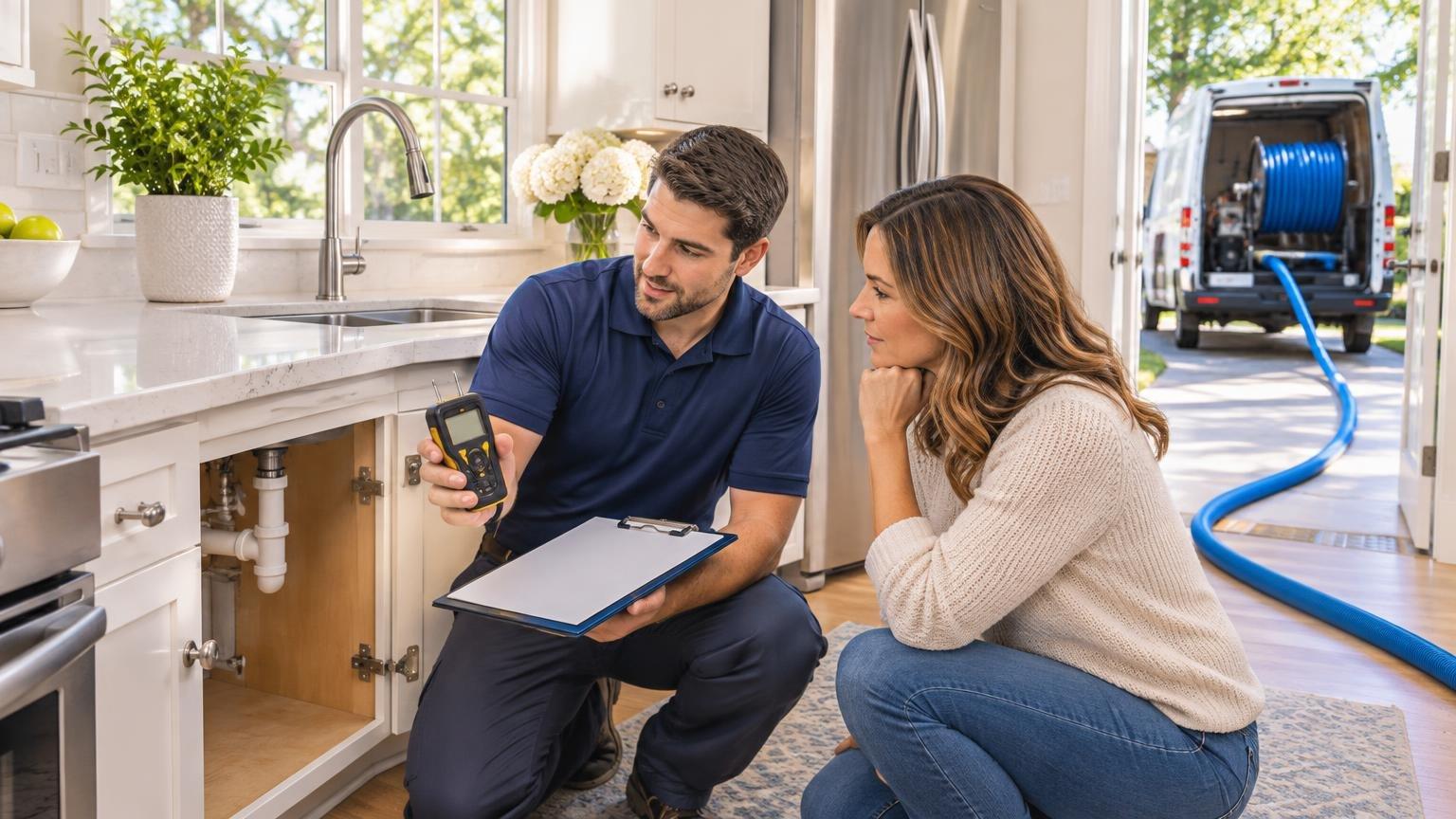
When a trained team arrives to check moldy carpet, the goal is simple: find how far the moisture and mold have spread and decide what it will take to make the area safe and dry again. As an IICRC-certified restoration company, we follow a structured process that looks beyond the surface.
A typical professional assessment often includes:
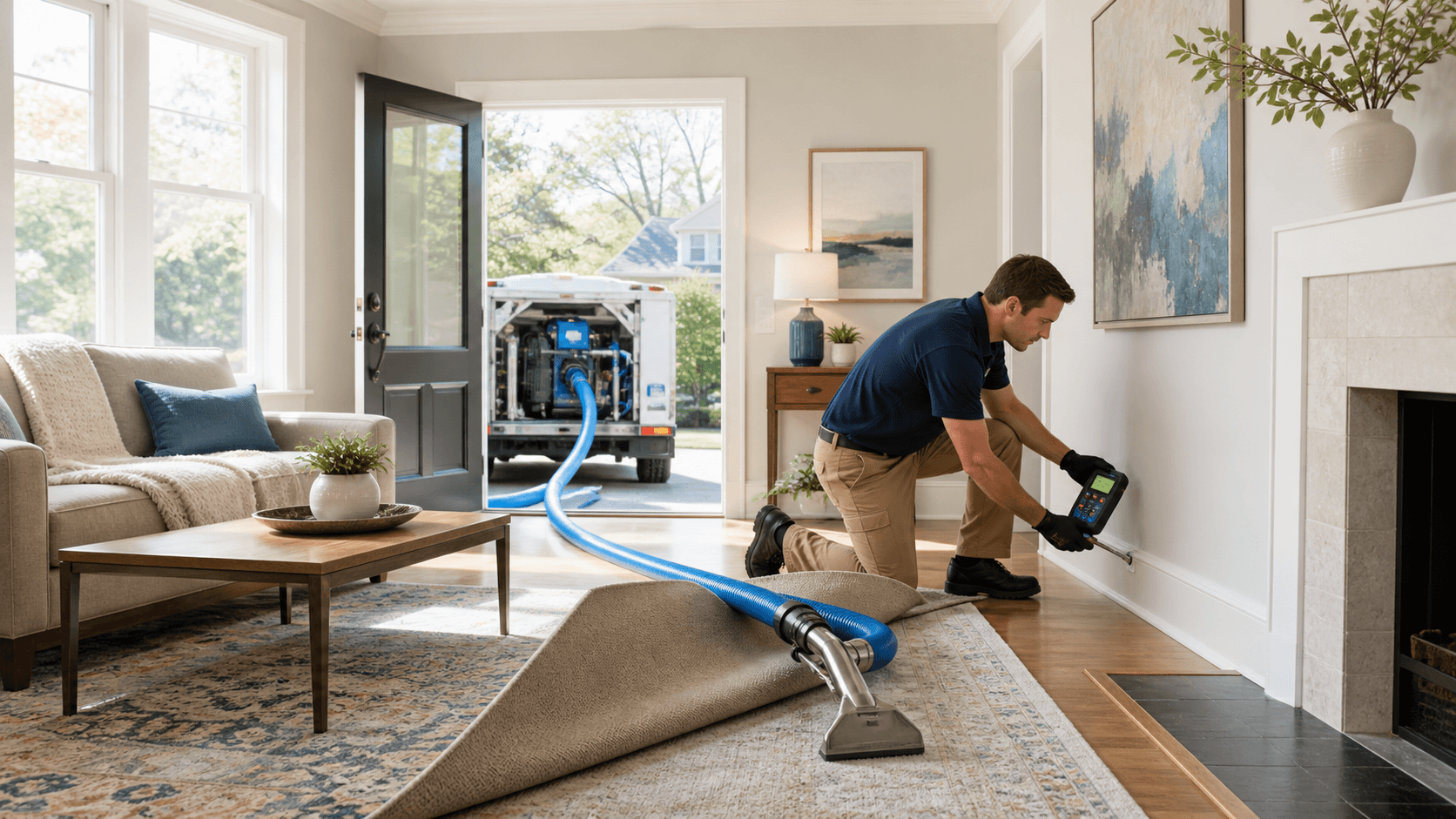
- Moisture meter readings on the carpet, padding, and subfloor
- Thermal imaging to spot cool, damp areas that are not visible
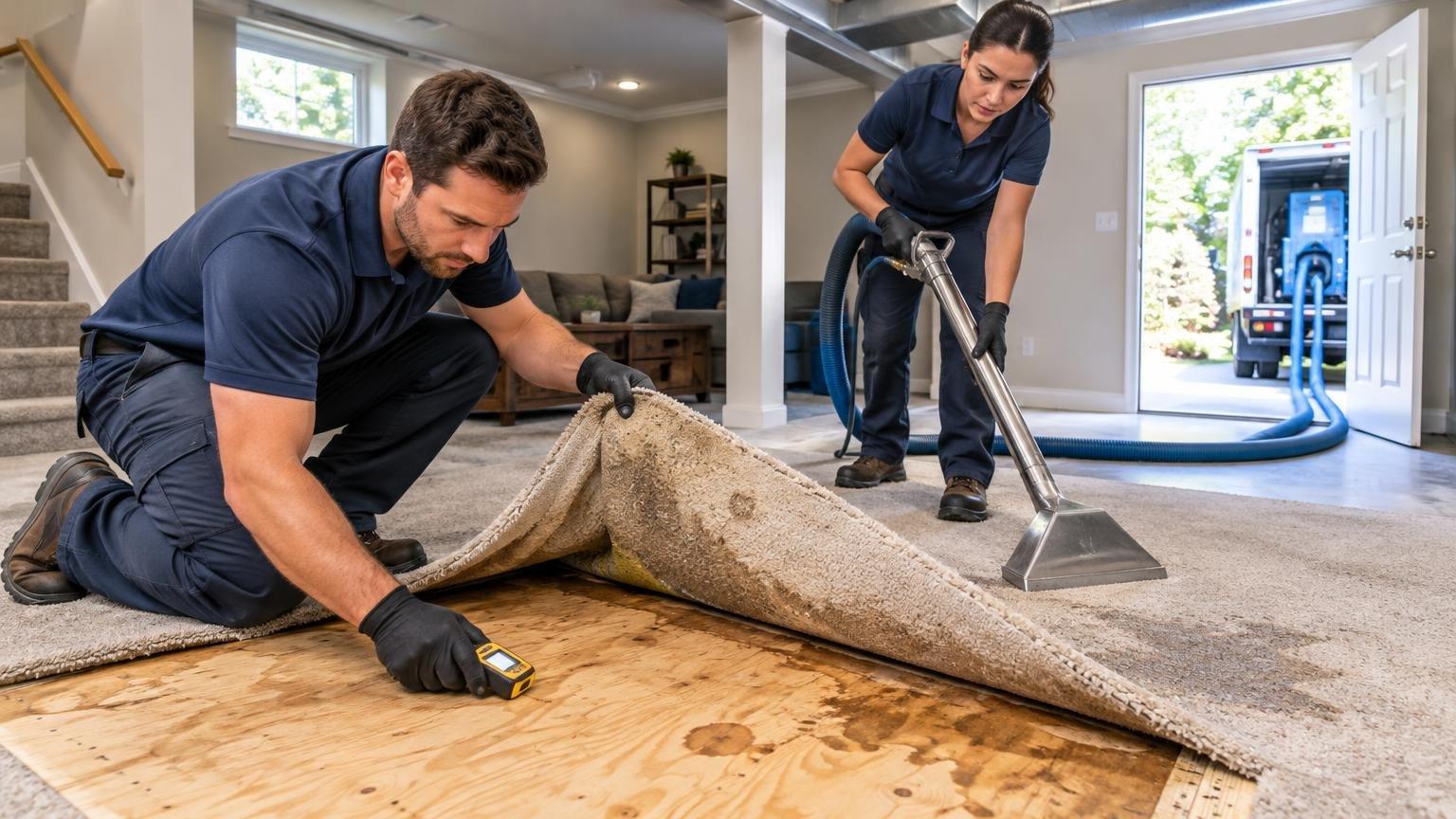
- Carefully lifting sections of carpet and padding to see the subfloor below
- Checking adjoining rooms and nearby walls for signs of spread
During this inspection, we look closely at what type of damage is present. We check for:
- Discoloration or dark spotting on the subfloor
- Swelling, warping, or edges that have raised up
- Delamination or separation in layered wood products
- Softness when pressed with tools or when stepped on carefully
Based on what we find, we decide whether the subfloor can be dried, cleaned, and treated with antimicrobial products, or if parts of it have to be removed and replaced. Many times, quick action means drying and treatment will be enough. If the damage is deeper, replacement of sections may be the safer long-term option. A clear, step-by-step inspection helps avoid tearing out materials that can be saved, while also making sure no hidden moisture stays trapped under new carpet.
Safe Moldy Carpet Removal in Libertyville That Protects Your Home
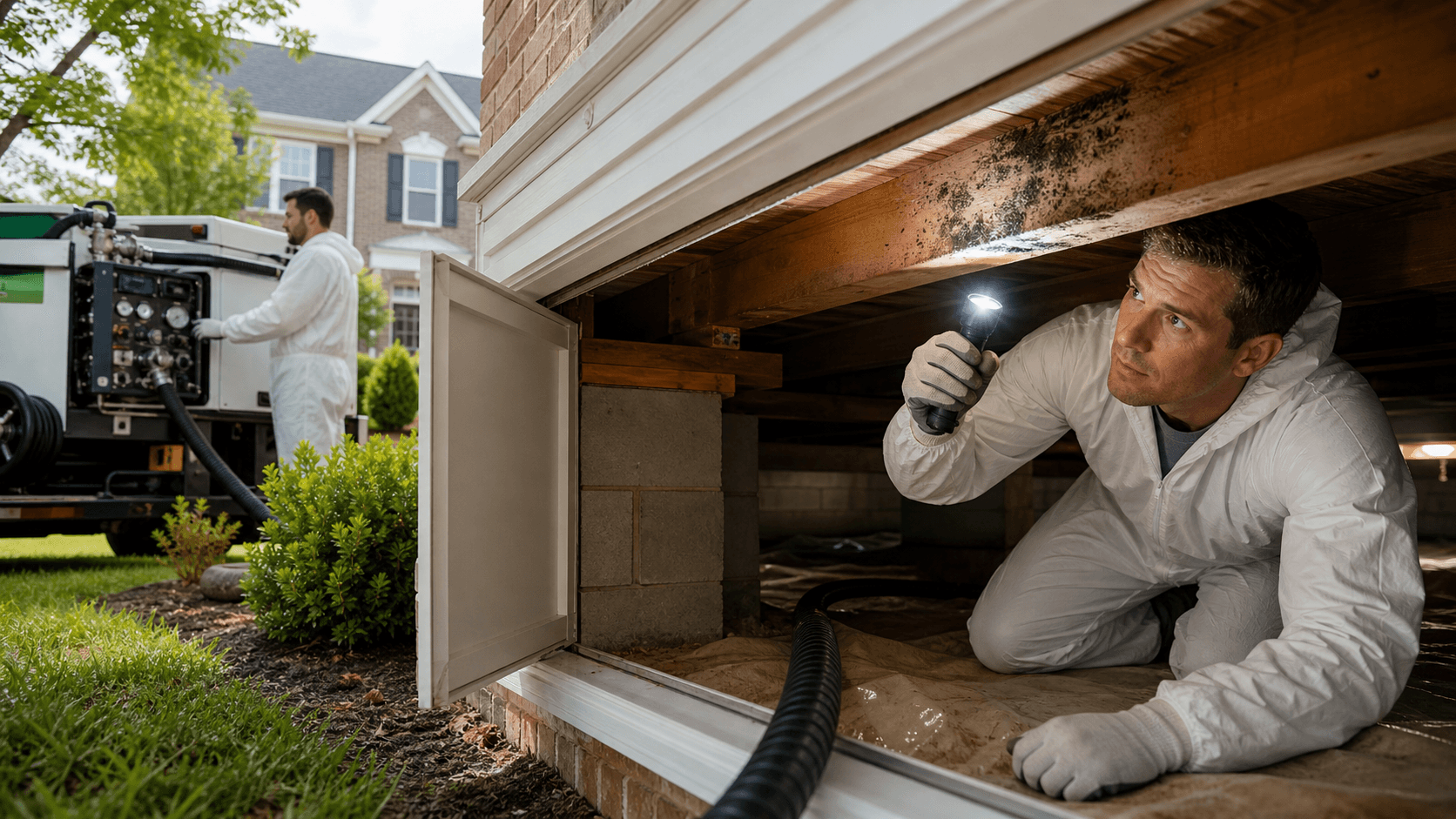
When moldy carpet needs to come out, safety and containment are key. Done the wrong way, pulling up carpet can spread mold spores into the air and into clean areas of the home. Our team at GreenStar HomePro follows IICRC standards to keep the problem contained.
Here is how a typical moldy carpet removal project may look:
- Setting up plastic barriers to isolate the work zone
- Using negative air machines and HEPA filters to pull contaminated air out
- Wearing proper personal protective equipment during the work
- Carefully cutting and rolling carpet sections to avoid shaking spores loose
- Bagging and sealing carpet and padding for proper disposal
Once the carpet and padding are removed, we focus on the subfloor. The steps often include:
- HEPA vacuuming to capture loose mold spores and dust
- Cleaning and treating the exposed subfloor with antimicrobial products
- Using professional drying equipment to bring moisture levels down
- Taking follow-up moisture readings to confirm the area is dry
By controlling airflow and using HEPA filtration, we help keep spores from spreading into other rooms or deeper into building materials. We also document what we find and what we do, with photos and moisture readings before and after. That record can support insurance claims and give you confidence that the area under your feet is truly dry and treated.
Protect Your Subfloor Before Winter Sets in
Cold weather months in Libertyville mean more time indoors, closed windows, and steady use of heating systems. If there is already hidden moisture under your carpet, this can make mold problems worse. Getting a professional inspection before winter is in full swing can reveal if simple drying is enough or if full moldy carpet removal is needed.
There are also simple habits that help reduce the risk of mold returning:
- Use sturdy entry mats at doors to cut down on tracked-in water and slush
- Run dehumidifiers in basements and other damp rooms
- Address spills and leaks quickly, and do not rely on fans alone
- Keep an eye on areas that have had moisture problems in the past
- Make sure HVAC filters are changed regularly
At GreenStar HomePro, we are local to the Chicago area and understand how our weather can affect homes in Libertyville and nearby suburbs. Our IICRC-certified team can evaluate your carpeted areas, check the subfloor, and explain clearly what is going on under the surface. Acting early can save your subfloor, reduce the chance of major repairs later, and help create a cleaner, healthier indoor space for your family all season long.
Protect Your Home And Restore Healthy Carpets Today
If you are dealing with damp, musty flooring, our team at GreenStar HomePro is ready to help with safe and thorough moldy carpet removal in Libertyville. We carefully assess the damage, remove contaminated materials, and clean the affected areas so your home feels safe and comfortable again. Reach out anytime to discuss your situation or schedule service, and we will walk you through your best options. If you are ready to book an appointment or ask questions, simply contact us today.