Stop Guessing Mold Costs in Your Glenview Kitchen
Mold in a kitchen is stressful. You see dark spots under the sink or smell something musty near the dishwasher, and your mind jumps to big repair bills and torn-up cabinets. Many Glenview homeowners feel stuck because they have no idea what a mold estimate in Glenview really includes or what affects that number.
A mold estimate is a professional visit where a technician checks your kitchen for moisture and mold, documents what they find, and lays out a clear plan to fix it. Kitchens are especially prone to mold because of sink leaks, dishwasher and fridge lines, older plumbing, and changing humidity as the weather cools down. When we are heading into a busy season of cooking and guests, that surprise mold issue in the kitchen feels even bigger.
As a family-owned and operated company serving this area for more than 50 years, over three generations, we've seen how much peace of mind a clear, honest estimate can provide.
Our goal here is to explain what actually goes into a mold estimate in Glenview so you can plan ahead, ask smart questions, and avoid surprise costs or half-done work.
What Really Drives Mold Estimate Costs in Kitchens
No two kitchens are exactly alike, and the same is true for mold problems. A small patch under the sink is very different from moisture that has been quietly spreading behind cabinets for months.
Some of the biggest things that affect a mold estimate include:
- Size of the affected area
- How easy it is to reach the mold
- How long moisture has been present
If the mold is limited to a small spot under the sink, access is usually simple. When it spreads,:
- Behind or under base cabinets
- Under tile or wood flooring
- Behind a custom backsplash
the work can become more complex. Older cabinets, stone countertops, and detailed tile often need extra care so they can be removed and reinstalled without damage. That careful work takes time and planning.
Seasonal changes also matter. In late fall, Glenview homes see:
- Recent rain that can sneak in around windows or doors
- Cooler nights that cause condensation in poorly vented kitchens
- Longer cooking times with boiling pots and dishwashers running more often
All of this adds moisture to a room that already has plumbing and appliances packed into a tight space.
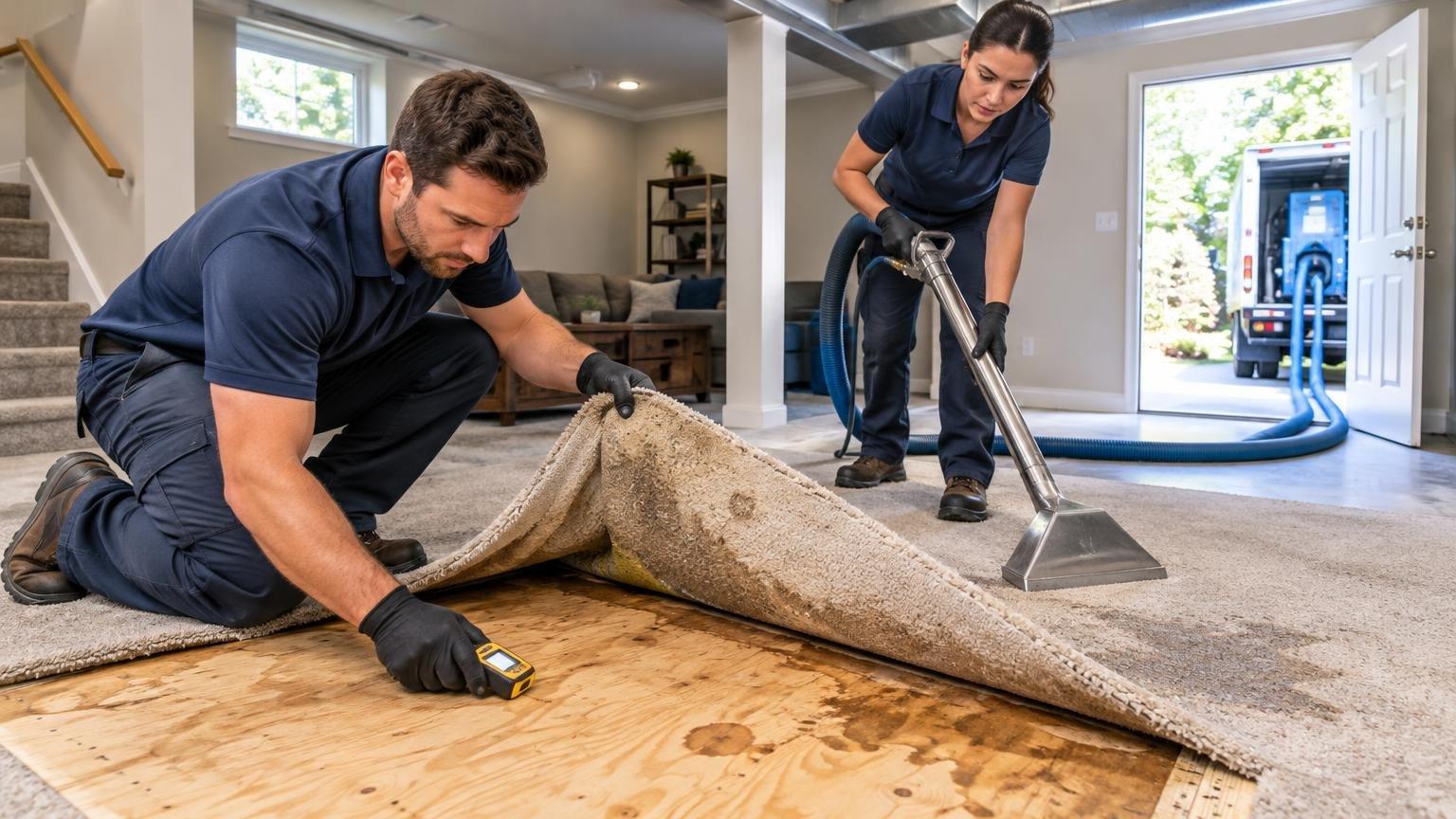
A good mold estimate is not just a quick peek and a guess. A proper visit usually includes:
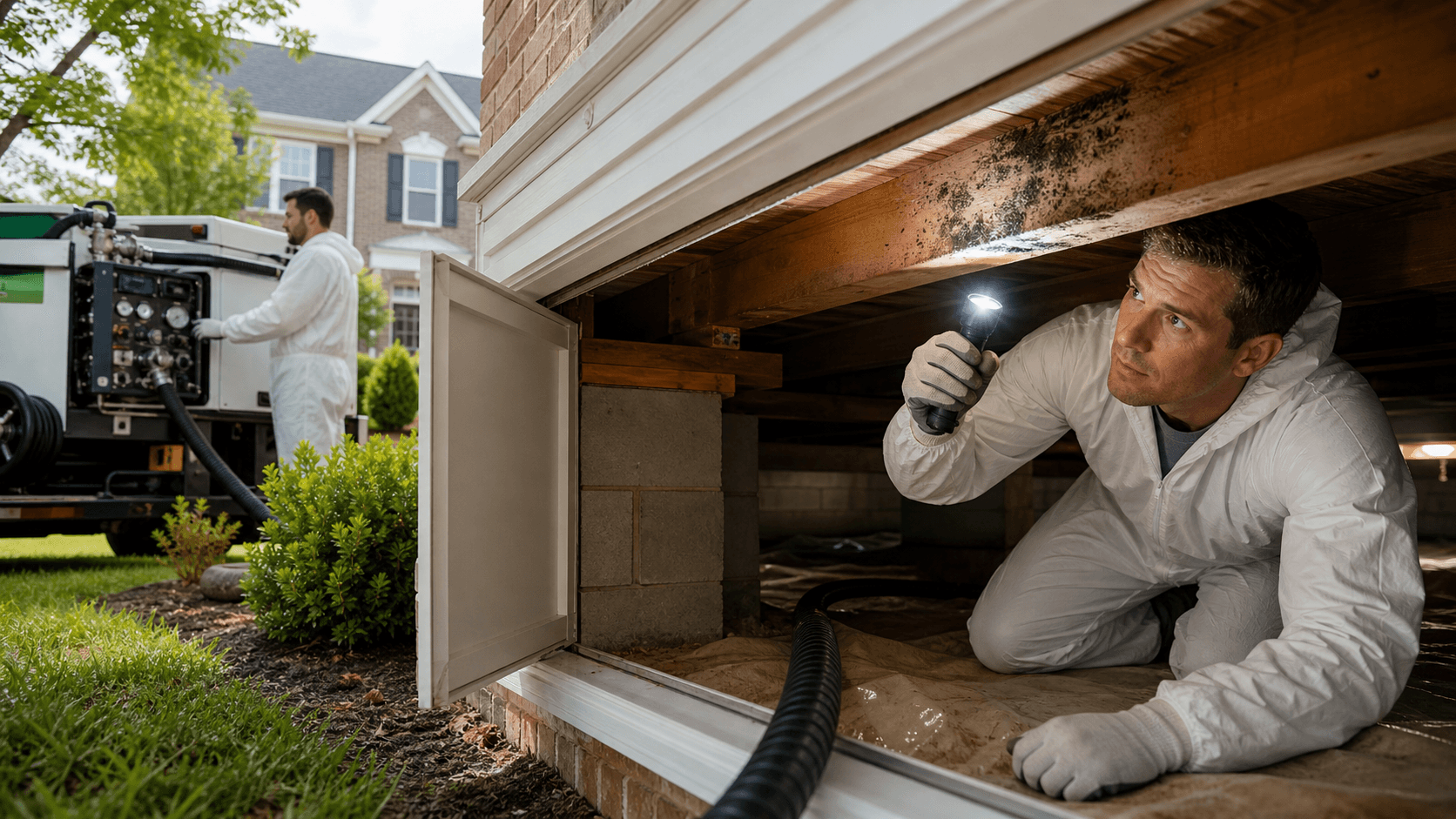
- Visual inspection of cabinets, walls, floors, and ceilings
- Moisture readings to find damp spots you cannot see
- Possible air or surface samples, if the situation calls for it
- A written scope of work that explains what needs to happen next
How Reputable Pros Break Down a Mold Estimate in Glenview
When a professional team walks into your kitchen, there should be a clear process. You should see more than someone pointing at a stain and tossing out a number.
A typical mold estimate in Glenview kitchens often follows steps like:
- Inspection of visible areas, plus common hidden trouble spots
- Documentation with photos and notes for each affected area
- Recommended containment, where plastic barriers might go
- A step-by-step remediation plan so you know the order of work
In that written plan, you may see line items such as:
- Setup and containment, so mold does not spread to other rooms
- Air filtration with specialized filters
- Demolition of materials that cannot be safely cleaned
- Cleaning and application of appropriate antimicrobial products
- Drying and dehumidification to handle leftover moisture
- Post-remediation checks to confirm the work was successful
As a family-owned and operated company that has worked in Chicago-area homes for more than 50 years and three generations, we've learned to spot common problem zones in kitchens. These often include dishwasher lines, ice maker supply lines, sink cabinets, and exterior wall cavities where cold air and warm indoor air meet. That experience helps us find hidden issues without tearing out your entire kitchen for no reason.
Most of all, a trustworthy estimate is clear. You should see what areas are included, what type of work is planned, and where each part of the cost comes from so you can compare quotes fairly.
Free Mold Estimates vs. Paid Inspections
Many homeowners are unsure if they need a quick, free mold estimate or a more detailed, paid inspection. The right choice depends on what is going on in your kitchen.
A simple visual mold estimate may be enough when:
- You see a small, obvious mold patch, like under the sink
- The source of moisture is clear, such as a recent minor leak
- The smell is limited to one cabinet or corner
A deeper, paid inspection or testing can be helpful when:
- There are ongoing health concerns in the home
- You notice a musty odor throughout the kitchen or nearby rooms
- You suspect the HVAC system might be involved
- You see signs of past water damage, but no clear mold yet
In some cases, documented findings with photos and clear notes can support an insurance claim when water damage is covered. A solid estimate helps both you and your insurance adjuster understand the scope of the problem, what was damaged, and what work is needed.
A seasoned, family-owned and operated company with more than 50 years and three generations in the business will guide you toward the level of assessment that makes sense, without pushing extra testing you do not need.
Red Flags in Mold Pricing and "Too Good to Be True" Deals
Not every mold estimate in Glenview is equal. Some offers sound great at first, then turn into a headache later.
Common red flags include:
- Phone quotes without anyone seeing your kitchen
- Vague "flat fees" with no breakdown of what is included
- Refusal to provide a written estimate
- No clear explanation of containment, cleaning, or follow-up
Bait-and-switch tactics often start with an ultra-low number. Once the work begins, you might hear about surprise add-ons for containment, disposal, or new "required" services that were never discussed before.
Legitimate companies protect you and your home by:
- Carrying proper insurance
- Using appropriate containment and air scrubbers
- Following recognized industry guidelines
- Focusing on fixing the cause of the moisture, not just cleaning stains
Cutting corners on these steps can leave spores behind, create new dust and debris problems, and set the stage for mold to come back.
Getting Ready for Your Kitchen Mold Estimate Visit
You can make the visit smoother and more accurate with a little preparation before the technician arrives.
Helpful steps include:
- Clearing items from under the sink and lower cabinets
- Moving small appliances off counters where moisture may collect
- Gently removing toe-kicks if you can do so safely
- Writing down past leaks, plumbing repairs, or musty spots to mention
In late November, it also helps to think about your schedule. Try to plan the visit before heavy holiday cooking starts. Be mindful of guests, pets, and kids that may be in the kitchen, especially if containment or equipment might be needed soon after.
During the estimate, you can expect:
- Questions about when you first noticed odors or staining
- Tools like moisture meters or thermal imaging cameras
- A reasonable amount of time spent looking inside cabinets and along baseboards
A typical kitchen assessment is not an all-day event, but it should not feel rushed either. This is your chance to ask questions about:
- What materials might need removal
- How the team will protect nearby rooms
- How loud the equipment might be
- How long the work could take from start to finish
Take Control of Mold Concerns in Your Glenview Kitchen
Understanding how a mold estimate in Glenview is built gives you real control. You can spot clear, honest pricing, avoid flashy deals that do not explain anything, and choose a plan that protects both your kitchen and your peace of mind as the weather cools.
Kitchen mold is a problem that can be solved, especially when it is caught early and handled by experienced professionals who respect your home and your budget. When those professionals come from a family-owned and operated company that has been serving local homeowners for more than 50 years and three generations, you also get the benefit of long-term experience and a reputation built over decades.
A thoughtful estimate visit is more than a number; it is a chance to find hidden moisture, protect your cabinets and finishes, and step into the winter season with confidence.
Get Started With Your Project Today
If you are concerned about mold around your tile or grout, we can inspect the area and provide a clear plan for safe, effective removal. Start by requesting a detailed mold estimate in Glenview so you know exactly what to expect. At GreenStar HomePro, we take the time to explain your options and answer your questions. If you are ready to schedule or need quick answers, please contact us today.