How Smart Questions Lead to a Better Mold Inspection
Mold is a quiet problem in many Chicago homes. It grows out of sight, follows moisture, and can spread before you notice it. A good mold inspection looks beyond what you can see and focuses on where mold is likely hiding and why it is there in the first place.
That is where smart questions come in. A question-based mold inspection means your inspector asks you clear, targeted questions, and you ask them honest, informed ones. When both sides are curious and specific, you get a more accurate picture of what is going on, fewer surprises with the work that may be needed, and a better plan to keep mold from coming back, especially as fall and winter bring more moisture and closed windows.
Why Mold Is a Bigger Threat in Chicago Homes Than You Think
Chicago homes deal with a mix of weather that mold loves. Our area sees humid air off the lake, heavy summer storms, snow that melts and refreezes, and long stretches when the house stays closed up. Older homes and basements across the city and suburbs only add to the risk.
Common mold triggers in Chicago include:
- Lake-effect humidity that keeps indoor air damp for days
- Summer downpours that push water into basements and crawl spaces
- Ice dams at the roofline that let water creep into walls and ceilings
- Older stone or block foundations that let moisture seep through
- Bathrooms and attics that do not vent steam and warm air well
When mold takes hold, it can cause allergy and asthma flare-ups, sore throats, headaches, and that stubborn musty smell that never really leaves. It can stain drywall, weaken wood, and hide behind trim, insulation, or carpet. Left alone, it can lead to bigger repairs later, not just "a little cleaning."
Late summer is often a smart time to schedule a mold inspection in Chicago. The air has been humid for months, basements may have seen stormwater, and soon windows will stay shut more often. Finding and fixing issues before that happens can help keep mold from building up through the colder months.
Key Questions Your Inspector Should Ask You First
A strong mold inspection starts with your story. Your answers help the technician know where to look harder, what to test, and what might be hiding behind finished walls or flooring.
Expect questions about past water and moisture issues, such as:
- Have you had leaks, flooding, or sewer backups, even small ones?
- Has your roof, gutters, or downspouts caused water problems?
- Has a sump pump failed, or has water ever covered your basement floor?
- Did you notice ice buildup along the roof edges during winter?
- Which rooms, levels, or corners stayed wet the longest?
Your inspector should also ask about the home's age and use. For example, when the home was built, what upgrades have been done, and whether you know of any past mold cleanups. They may ask how often you use the basement, who sleeps in lower-level rooms, and if anyone feels worse at home than when they are away.
Comfort and odor clues are just as helpful. You might be asked:
- Which rooms feel damp, sticky, or colder than the rest?
- Do you notice musty or earthy smells in closets, basements, or bathrooms?
- Are there times of day when it feels harder to breathe inside?
- Do problems seem worse after rain, after showers, or during certain seasons?
Honest, detailed answers point the inspector toward likely problem areas so nothing important is missed.
Smart Questions You Should Ask During a Mold Inspection
You also play a big part in the inspection by asking clear questions of your own. This helps you understand what is being done, what is found, and what options you have.
Good questions about their process and findings include:
- How do you decide where to test and where to open walls, if needed?
- What types of mold are you seeing, and how serious is it in my home?
- Which areas are at highest risk, based on what you see here?
- Are there spots you are concerned about even if they look clean now?
On testing and safety, ask things like:
- Do I really need lab testing in these areas, or is a visual check enough?
- What safety steps will you use during testing so spores do not spread?
- Will you provide a written report, and what will it include?
When it comes to solutions, focus on the plan:
- What are my remediation options and rough timelines?
- What small tasks can I safely handle myself, if any, and what must a professional do?
- Given Chicago's climate, what can I do over the next few months to keep this from returning?
Clear answers will help you feel more confident about the next steps.
Step-by-Step: What Happens During a Chicago Mold Inspection
A typical mold inspection in Chicago homes follows a steady process, but it should also be adapted to your house and your answers.
First comes the walkthrough and interview. A GreenStar HomePro technician will usually:
- Talk with you about your concerns and home history
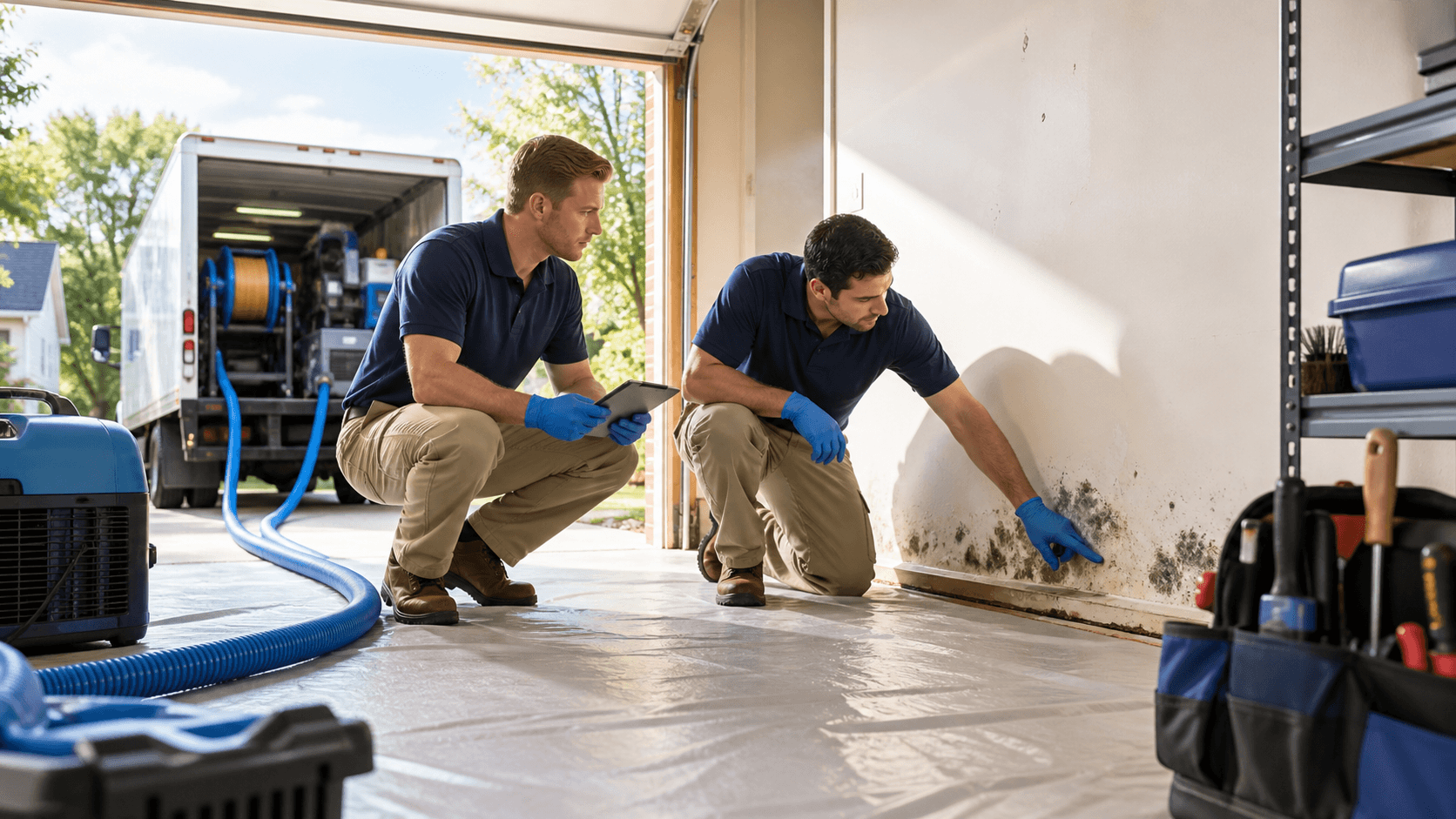
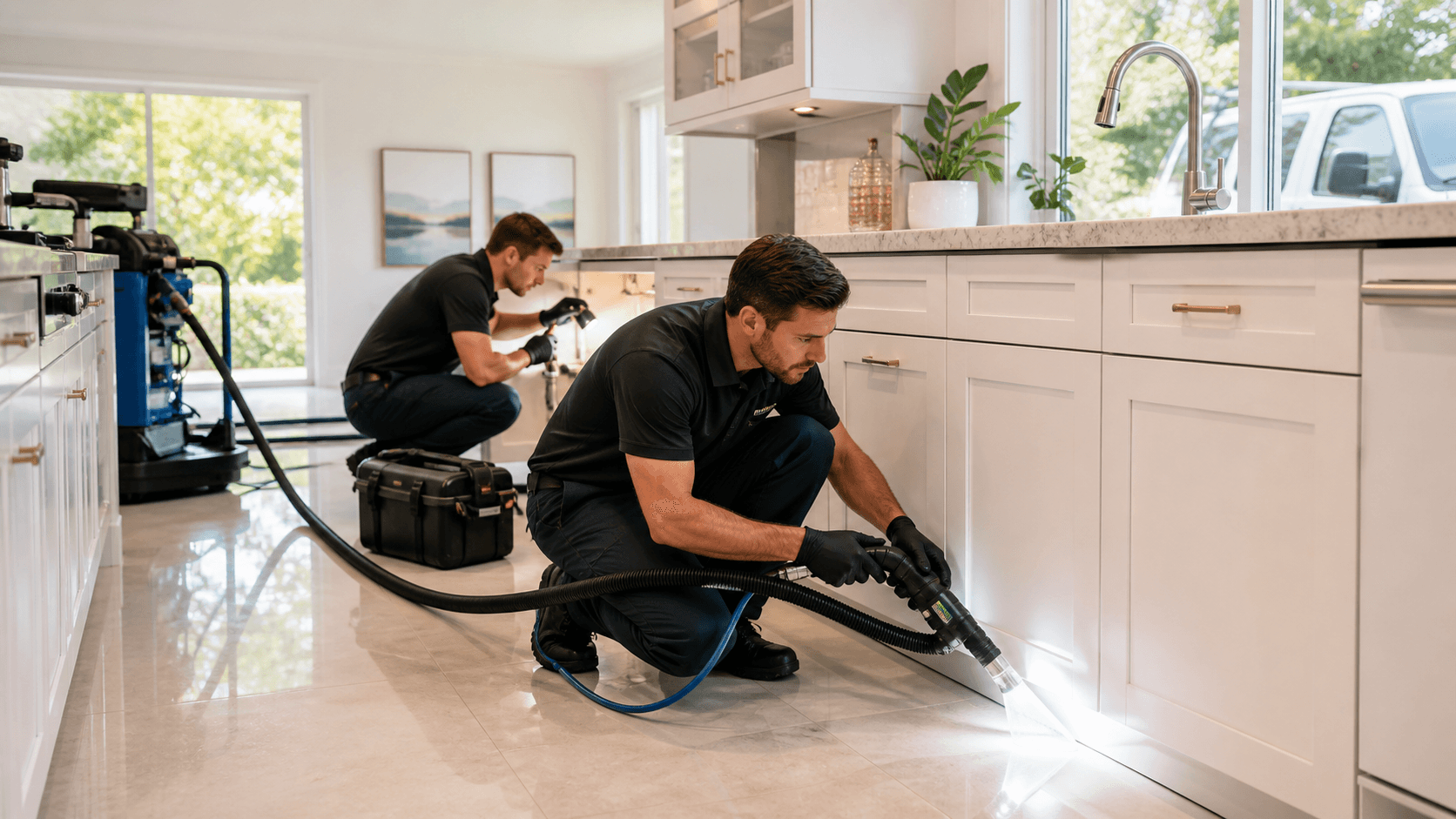
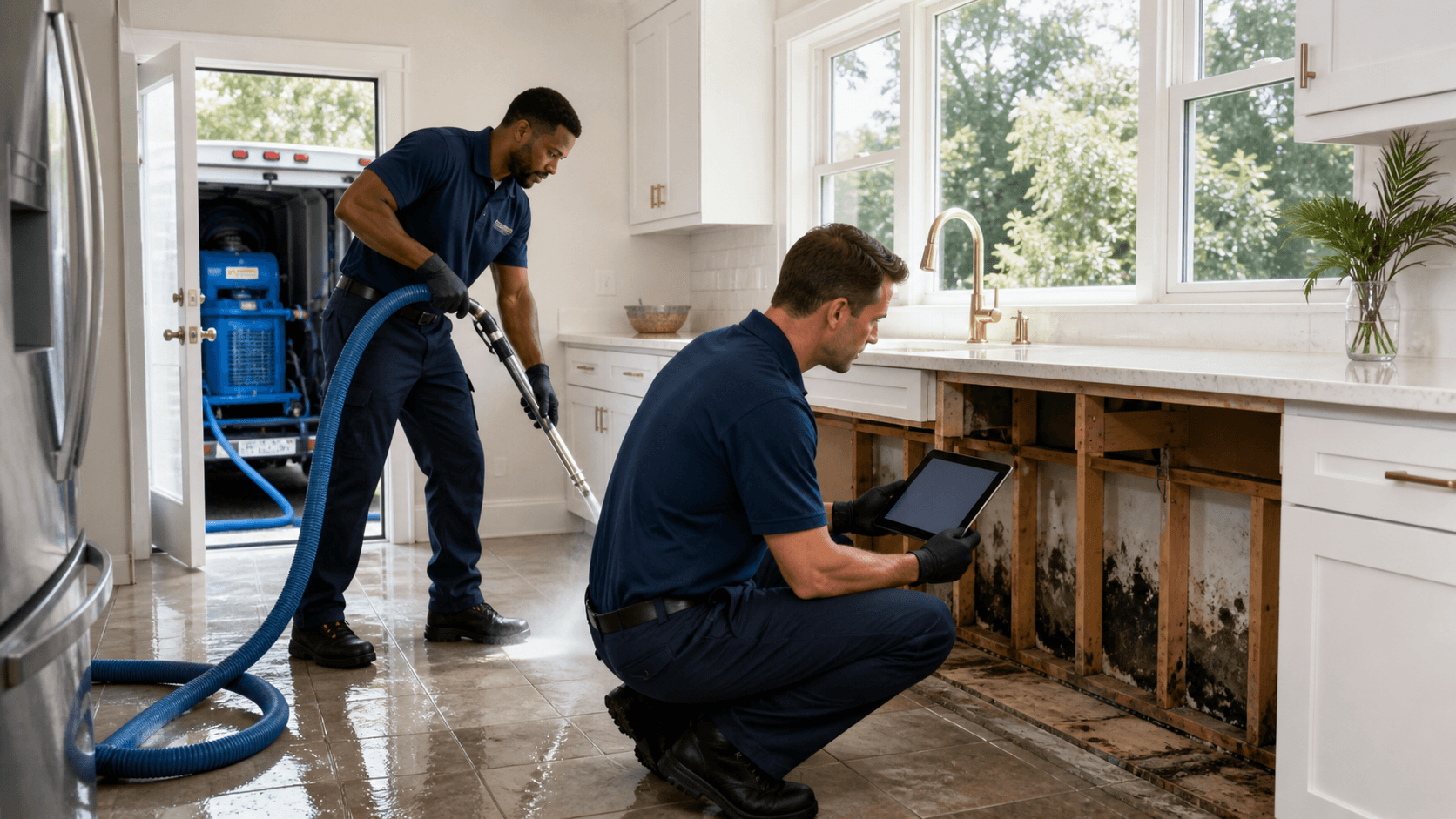
- Do a visual check of basements, bathrooms, kitchens, and laundry areas
- Look at the attic, roofline, and exterior drainage if access allows
- Note stains, peeling paint, warped trim, or spots where water collects
Next come tools and testing. Depending on what is found, the technician may use:
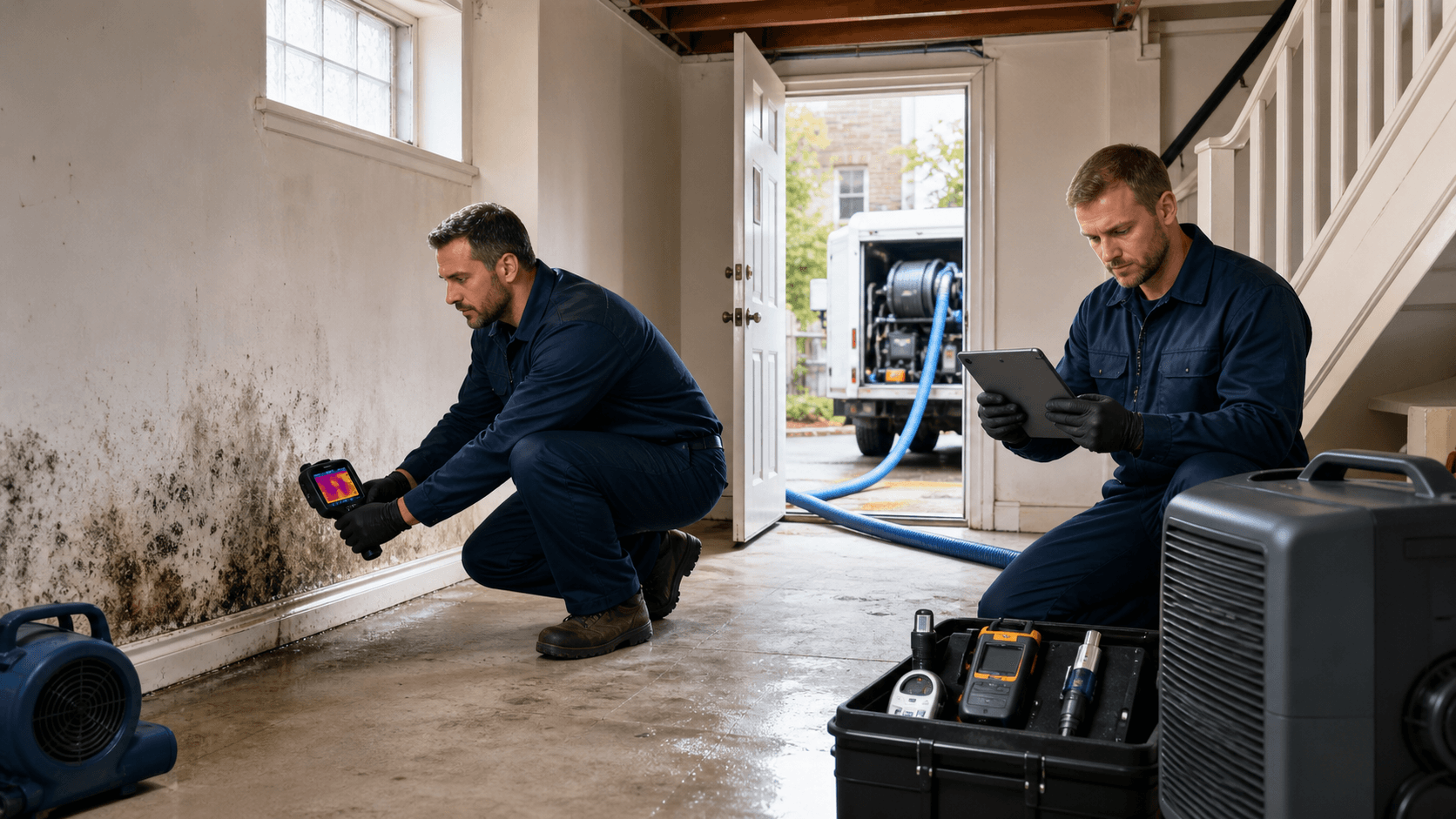
- Moisture meters to check drywall, baseboards, and subfloors
- Infrared cameras to spot cooler, damp areas behind surfaces
- Air samples to compare indoor mold levels to outside air
- Surface samples on suspect spots like stained drywall or window frames
These tools help find hidden moisture and mold that your eyes cannot see, such as growth behind a finished basement wall or under old carpet.
At the end, you should get a clear explanation of the findings. A typical report may include photos, notes on moisture levels, a map of affected areas, and recommendations based on your home's age, layout, and basement style. The goal is to connect the "where" and "how bad" with the "why" so you can break the mold cycle.
From Inspection to Action: What Comes After the Visit
Once you have results, the next step is understanding them in plain language. Terms you may see include:
- Elevated spore counts, meaning indoor mold levels are higher than expected
- Source area, the main place where mold started or is strongest
- Secondary growth, mold that spread to other surfaces from the source
Your technician should explain what each term means for your home, not just on paper. Sometimes, a targeted cleanup in a small area, paired with fixing a leak or adding better ventilation, is enough. In other cases, especially with long-term moisture or widespread damage, full mold remediation or water damage restoration is the safer choice.
In Chicago, it also pays to think ahead. After a mold inspection, it often makes sense to:
- Improve drainage and downspout extensions around the foundation
- Add or improve bathroom and kitchen ventilation
- Use dehumidifiers in basements and lower levels during humid months
- Consider professional carpet cleaning in areas that have seen past moisture
By pairing a detailed, question-based mold inspection with clear follow-up steps, you protect both your home and the people who live in it.
Protect Your Chicago Home With a Professional Mold Inspection Today
If you have noticed musty odors, recent water damage, or unexplained allergy symptoms, now is the right time to schedule a thorough mold inspection in Chicago. At GreenStar HomePro, we use detailed assessments and proven methods to identify hidden issues before they grow into costly repairs. Reach out today to discuss your concerns, get answers to your questions, and request your appointment, or contact us directly to get started.