Breathing Easier After Mold: Why Clearance Checks Matter
When mold remediation wraps up, many people assume the problem is over as soon as the damaged materials are removed and the stains are gone. The truth is, the work is not fully finished until indoor air quality has been checked and confirmed safe. Mold is as much an air problem as it is a surface problem, and that is where clearance checks come in.
Clearance testing is the step that answers the question, "Can we safely live or work in this space again?" It is different from the initial mold inspection, which focuses on finding the problem, measuring the damage, and planning the cleanup. A clearance check happens after remediation and drying to verify that mold spores are under control, moisture is managed, and no hidden growth has been left behind.
This matters for everyone, but especially for families with kids, seniors, or anyone with asthma, allergies, or other breathing issues. In the Chicago area, where humidity, rain, and big temperature swings are common, mold can return quickly if the conditions are right. As a family-owned and operated business for more than 50 years and three generations, we at GreenStar HomePro know how important a truly healthy home or workplace is for long-term peace of mind.
What Indoor Air Quality Testing Really Checks For
Post-remediation indoor air quality testing focuses on whether the environment is safe to occupy, not just whether it looks better. Cleaning can remove stains and odors, but spores can still be floating in the air or hiding on surfaces.
Typical clearance testing often includes:
- Air sampling in key rooms and near the previously affected area
- Surface sampling on materials that had or were near visible mold
- Moisture readings in walls, floors, and ceilings
- Humidity checks to confirm the space is being kept within a healthy range
There is a common misconception that if a room looks clean and smells fresh, then the mold problem is gone. In reality, mold spores are microscopic and may still trigger allergy symptoms, headaches, or breathing problems even when you cannot see anything on the walls. That is why air and surface samples are so helpful.
When professionals evaluate test results, they look at:
- Spore counts in indoor samples
- Types of mold present and whether they match what was originally found
- Comparison of indoor spore levels to outdoor air
- Whether results fall within accepted post-remediation ranges
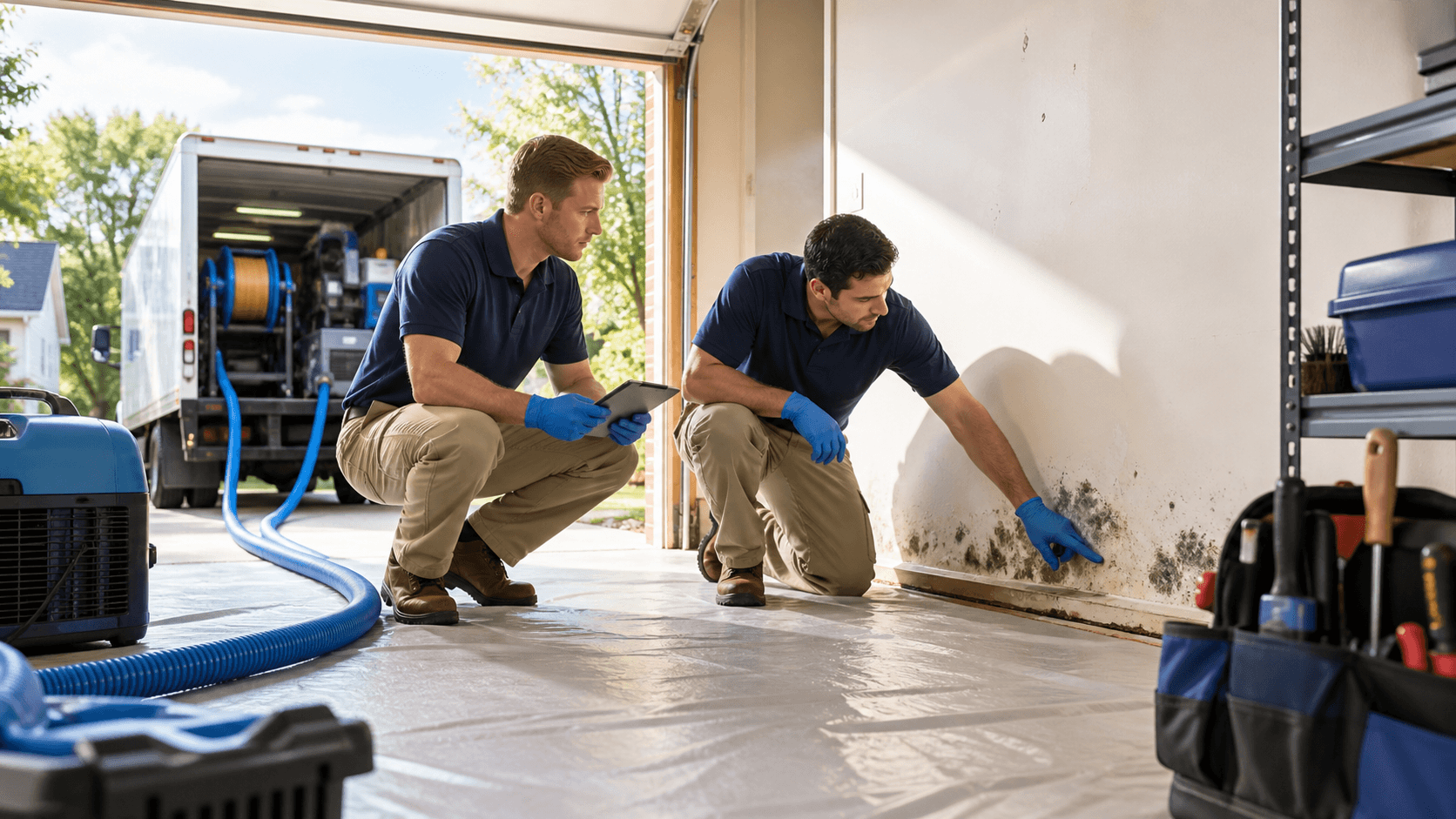
Whether the project was a flooded basement, an attic leak, or garage mold removal in Vernon Hills, the goals of testing are the same: confirm that the area is dry, surfaces are clean, and the air does not contain elevated mold spores that would make it unsafe to use.
When Clearance Testing Is Essential After Mold Work
While some small cleanup projects may not always need formal testing, there are situations where clearance checks are strongly recommended, or sometimes required. These include:
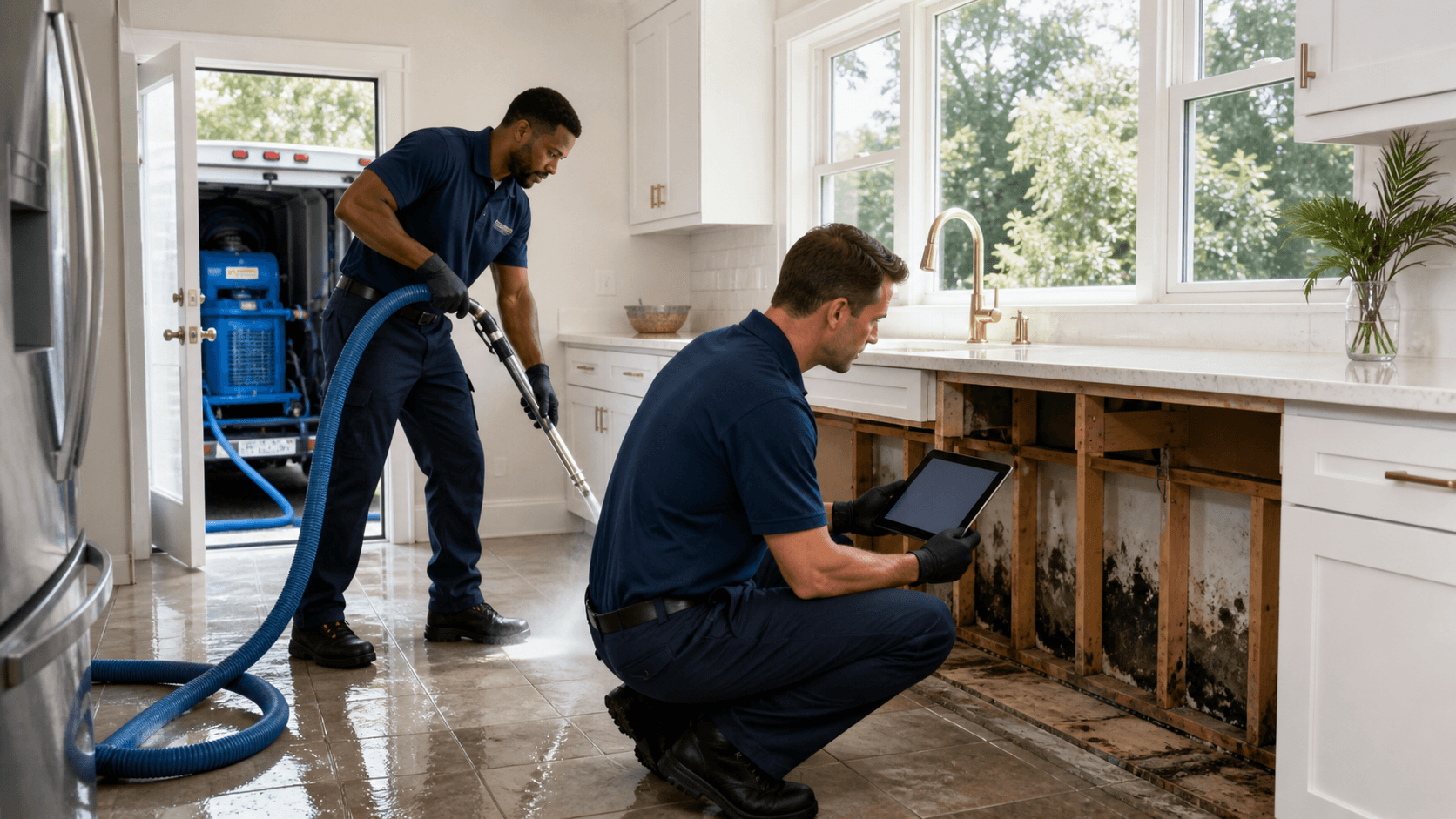
- Significant water damage that affected drywall, insulation, or structural materials
- Widespread visible mold growth that covered multiple rooms or large areas
- Mold involving HVAC systems, ducts, or vents
- Homes or offices where people have asthma, allergies, or compromised immune systems
In the Chicago and suburban real estate and rental markets, documented clearance can also be important. Buyers, tenants, and insurance companies may want third-party proof that remediation was done properly and that indoor air is now at acceptable levels. This kind of documentation can help support insurance claims, protect property values, and show that a landlord or business owner took reasonable steps to keep occupants safe.
Garages and attached spaces are easy to overlook, but they matter a lot. Garage mold removal in Vernon Hills and nearby suburbs is not just about protecting stored items. If an attached garage stays damp, spores and moisture can migrate into the connected living areas through doors, gaps, or shared walls. Without proper clearance checks, that garage issue can slowly become a whole-house problem.
A professional, documented clearance test protects both homeowners and businesses. It helps confirm that the job was done effectively, reduces the chance of mold coming back for the same reason, and can prevent future disputes over whether conditions were corrected.
How a Professional, Family-Owned Team Handles Clearance
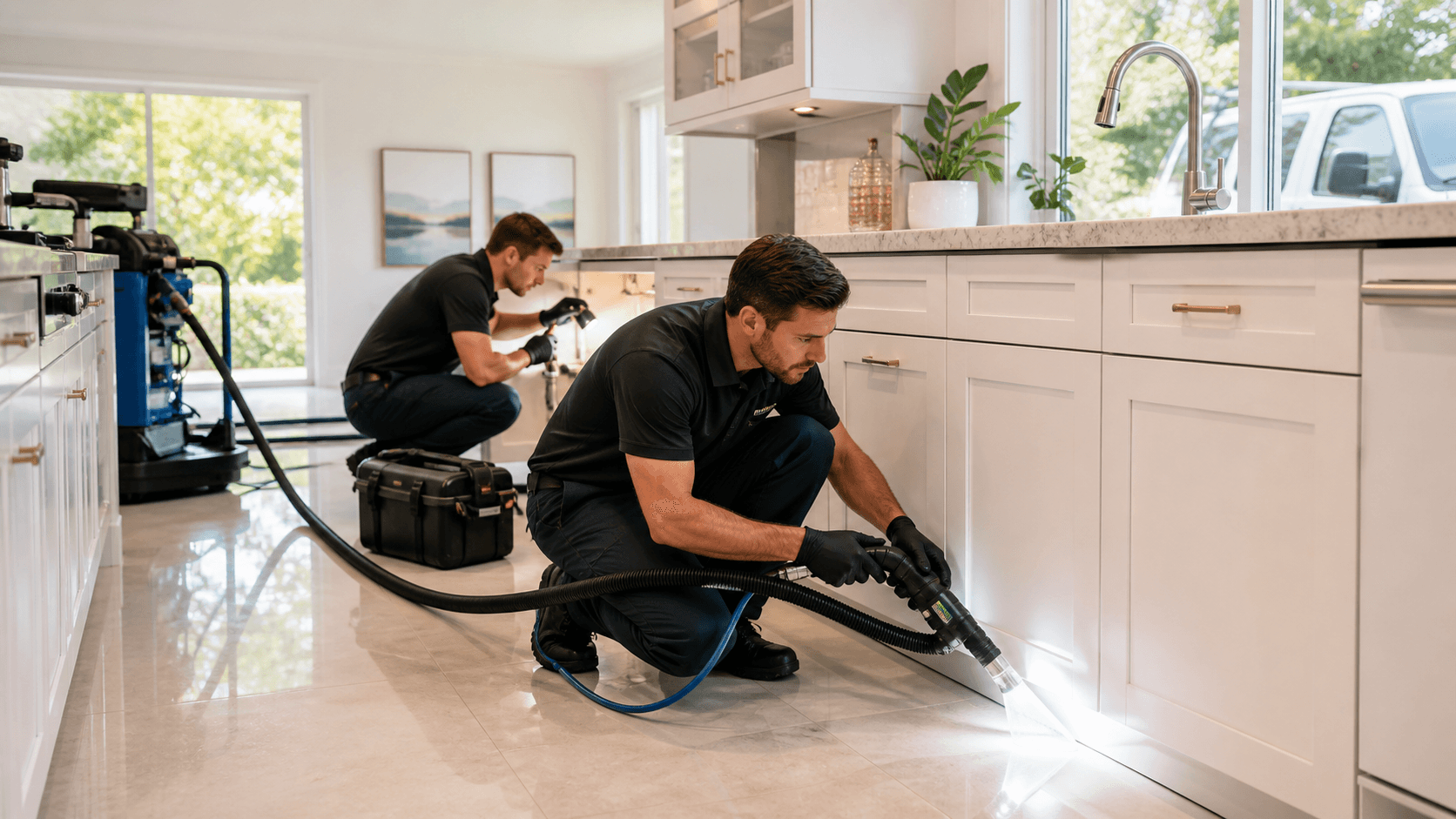
At GreenStar HomePro, we see clearance as part of a complete mold solution, not an optional extra. Our typical process follows a clear progression that aims to fix the cause, remove the mold, and confirm the results.
That process usually includes:
- Initial assessment to locate moisture sources and areas of mold growth
- Containment to keep spores from spreading into clean parts of the property
- Remediation by removing damaged material and cleaning salvageable surfaces
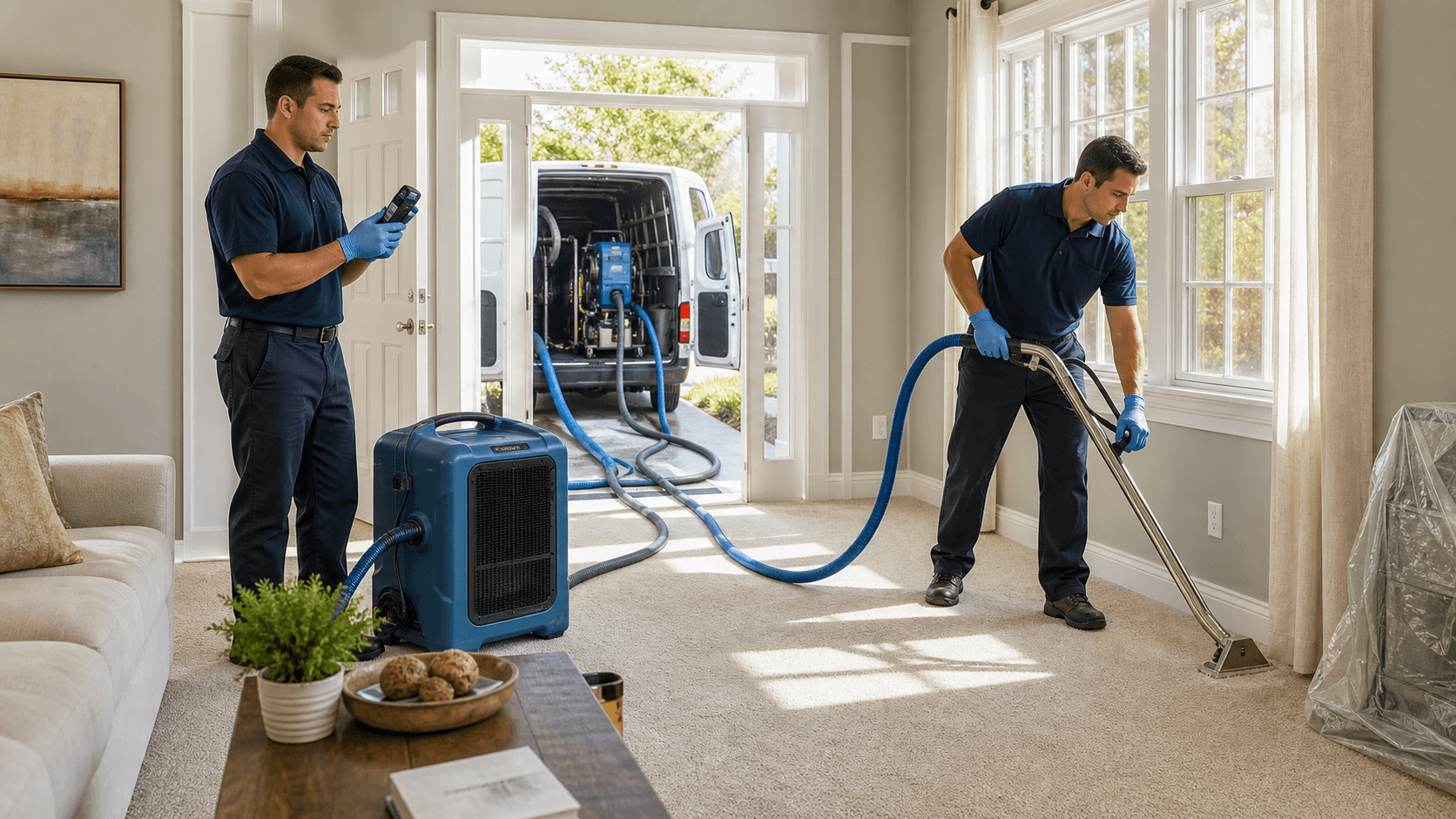
- Drying and dehumidification so the structure reaches a stable, dry condition
- Air cleaning and filtration to capture lingering spores
- Formal clearance testing using recognized sampling and inspection methods
Being family owned and operated for more than 50 years across three generations, we have built our name on consistent standards and long-term local relationships. We know our work impacts real families, employees, and business owners in our own communities, so doing the job right the first time is not just good practice; it is personal.
When appropriate, we coordinate with independent or third-party testers for clearance checks. Having objective test results gives homeowners and businesses extra confidence that their property truly meets safety guidelines and that the space is ready to be used again.
For example, with a project like garage mold removal in Vernon Hills, clearance testing can verify that the garage is dry, that surfaces are properly cleaned, and that spores are not migrating into nearby hallways or living spaces. This protects vehicles, stored belongings, and, more importantly, the health of everyone walking in and out every day.
Maintaining Clean Air After a Successful Clearance Check
Once you have passed a clearance check, the goal is to keep things that way. Mold is always in the environment, so the key is controlling moisture and giving it fewer chances to grow.
Helpful steps include:
- Keeping indoor humidity in a moderate range with dehumidifiers if needed
- Fixing leaks quickly in roofs, windows, pipes, and foundations
- Improving ventilation in bathrooms, kitchens, and laundry areas
- Using exhaust fans when showering or cooking
- Maintaining gutters and downspouts so water drains away from the foundation
In the Chicago area, certain spots are naturally higher risk. Basements, crawl spaces, bathrooms, and attached garages often deal with more moisture, temperature swings, and, in winter, snow and road salt tracked indoors. Frequent wet floors or musty smells in these zones are early warning signs that should not be ignored.
For properties with past water damage or chronic moisture issues, periodic inspections or simple monitoring can make a big difference. Catching minor leaks or dampness before they turn into visible mold saves money and protects indoor air quality for the long term.
Working with an experienced restoration and cleaning company helps you stay ahead of these issues. Instead of constantly reacting to emergencies, you have a partner who understands local conditions, knows how mold behaves in homes and businesses in the area, and can recommend practical ways to keep your air cleaner and your spaces healthier.
Get Started With Your Project Today
If you are ready to protect your home and restore a healthy space, schedule professional garage mold removal in Vernon Hills with GreenStar HomePro today. We will assess your situation, explain your options, and provide a clear plan so you know exactly what to expect. To discuss your project or request an appointment, simply contact us and we will follow up promptly.