Stop Basement Leak Damage Fast in Deerfield Homes
A wet basement in a Deerfield home often shows up at the worst time, like after a long night of heavy rain or a quick warmup that melts snow. You head downstairs and feel that squish under your feet, see water along the walls, or notice boxes sitting in a shallow pool. In that moment, it is easy to grab a mop, a shop vac, and a couple of fans and hope for the best.
The trouble is, the first 24 to 48 hours after a leak are when your home is at the most risk. Water starts soaking deep into concrete, wood, and drywall. Warm, humid air makes it easy for mold to start. Odors settle in and can linger for months if the structure is not dried the right way.
That is where structural drying comes in. This is a science-based process that goes far beyond sucking up standing water or pointing fans at wet spots. Our family-owned team at GreenStar HomePro has been protecting Chicago-area homes from water damage for three generations, with more than 50 years of hands-on experience. Here, we want to help Deerfield homeowners understand when structural drying is needed, what it includes, and how to choose the right help after a basement leak.
Why Basement Leaks Are So Risky in Deerfield
Basements in Deerfield take a lot of abuse from the weather. In late spring and early summer, we often see:
- Strong thunderstorms that drop a lot of rain in a short time
- Saturated soil pushing water against foundation walls
- Clogged or broken gutters that spill water right next to the house
- Aging foundations that have small cracks and gaps
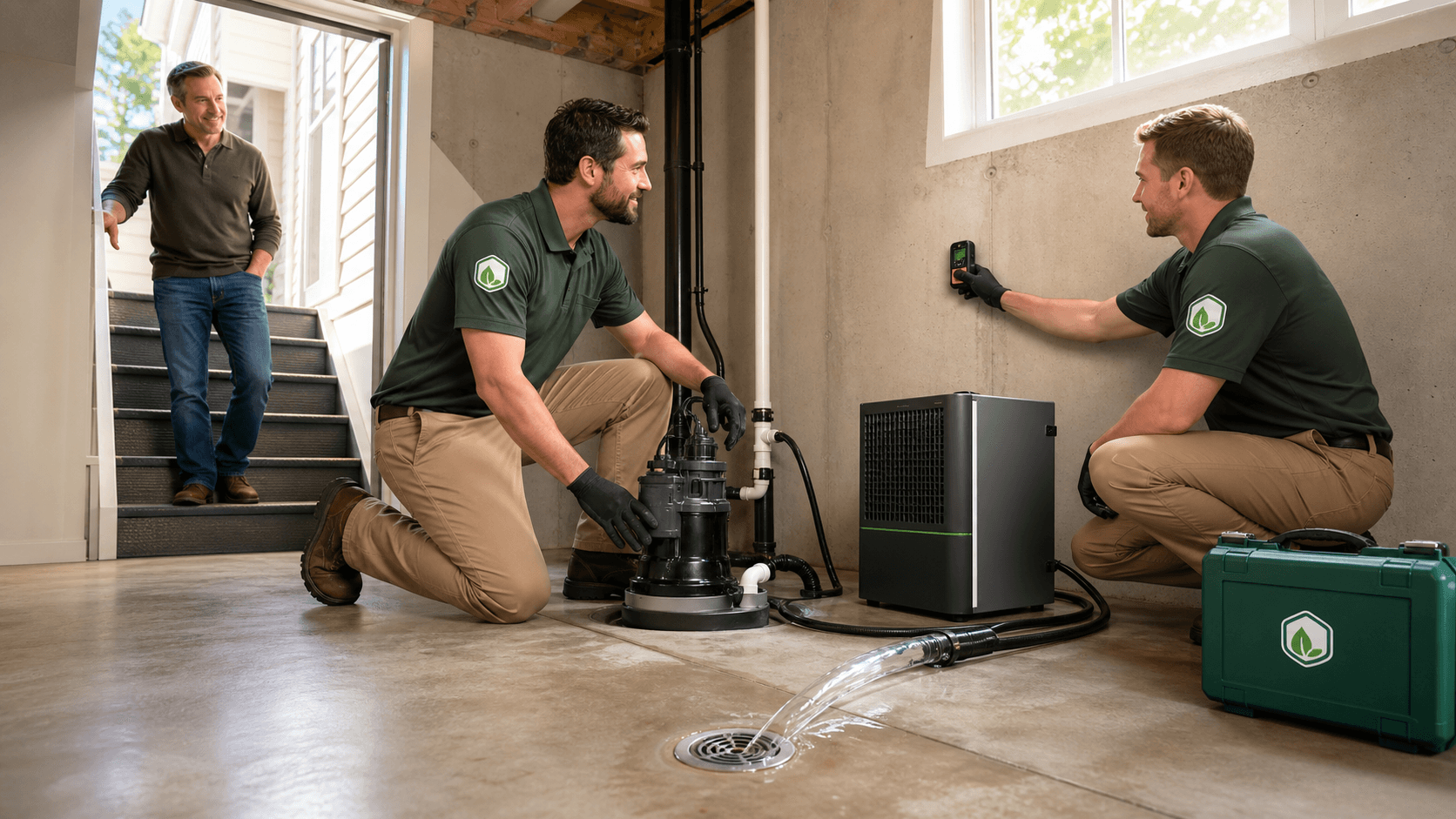
- Sump pumps that fail, lose power, or simply cannot keep up
When this happens, water finds any weak spot and starts working its way inside. Concrete, wood framing, drywall, and insulation are all porous. They soak in moisture like a sponge. Even if the water on the floor looks minor, that moisture can be hiding inside wall cavities or under finished flooring.
In warm, humid June weather, mold can begin to grow in 24 to 72 hours on damp surfaces. That is a big concern in local homes where:
- Older basements may not have modern waterproofing
- Finished lower levels have carpet, drywall, and built-ins
- Family keepsakes and seasonal items are stored near the floor
- Furnaces, water heaters, and other mechanical systems sit in the basement
A shop vac or a box fan might dry the surface, but it almost never pulls out the trapped moisture in studs, subfloors, or the backside of drywall. That is why specialized structural drying in Deerfield is often needed after even a "small" basement leak.
What Structural Drying Really Means After a Leak
Structural drying sounds technical, but in simple terms, it is a careful process for removing both visible water and hidden moisture until the building materials are safely dry. It is not just about what you can see, it is about what is going on inside your walls, floors, and foundation.
Professional structural drying in Deerfield usually follows a few main phases:
- Inspection and moisture mapping
- Controlled demolition, only where materials cannot be saved
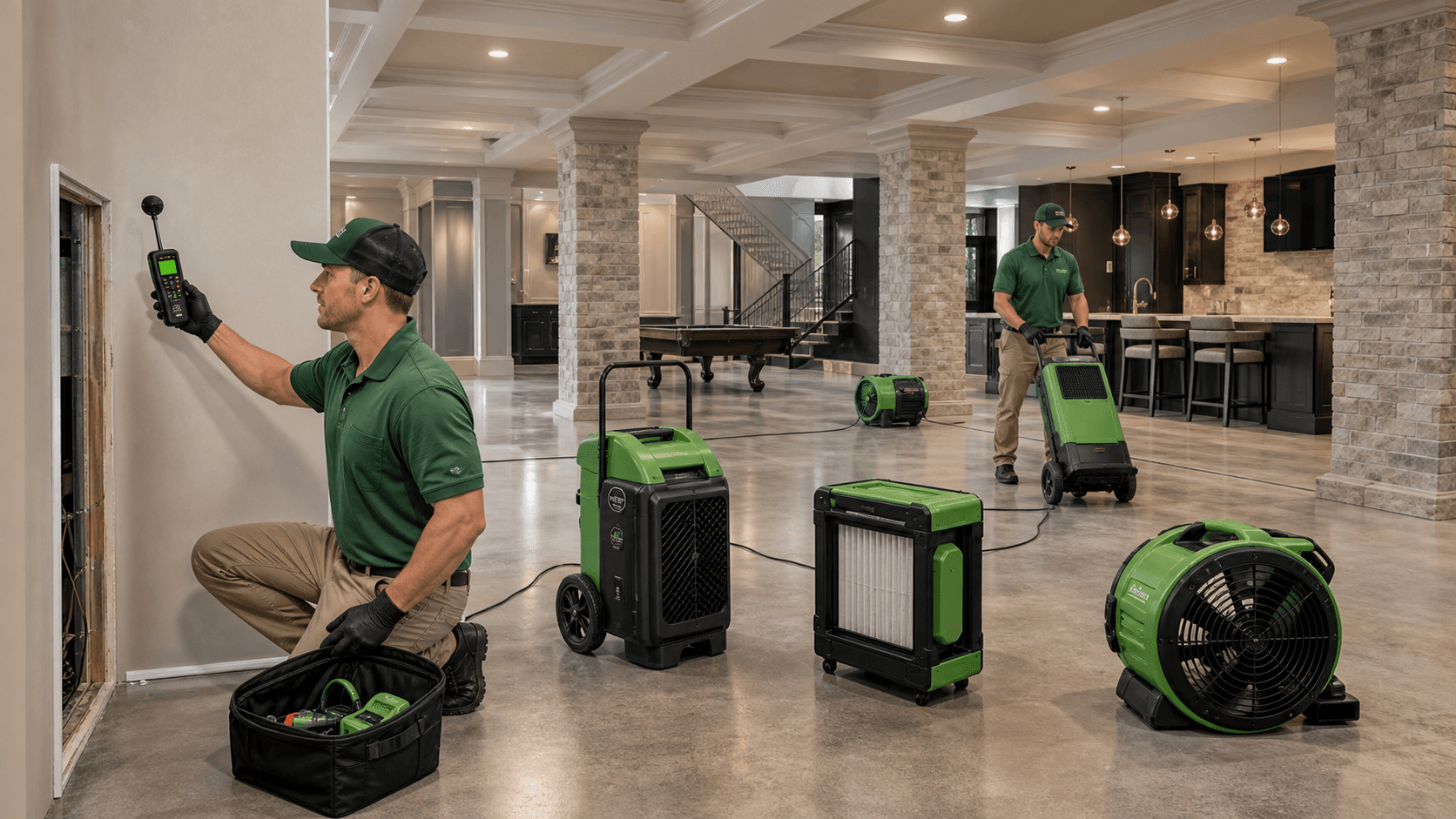
- Aggressive drying with commercial dehumidifiers and air movers
- Continuous monitoring with moisture meters and infrared tools
First, we inspect and map out where the water went. Moisture meters and thermal imaging help show wet areas that your eyes cannot see. If materials like soaked drywall or insulation cannot be dried in place, they are carefully removed so the structure behind them can be reached. This is called controlled demolition, and the goal is always to remove as little as possible.
Then the real drying starts. Commercial dehumidifiers pull moisture from the air, while air movers keep air moving across wet surfaces so that trapped water in wood, concrete, and other materials can be released. Throughout the process, we keep checking moisture levels until they are back down to safe standards.
There is also a big difference between drying contents and drying the structure. Drying contents means taking care of things like:
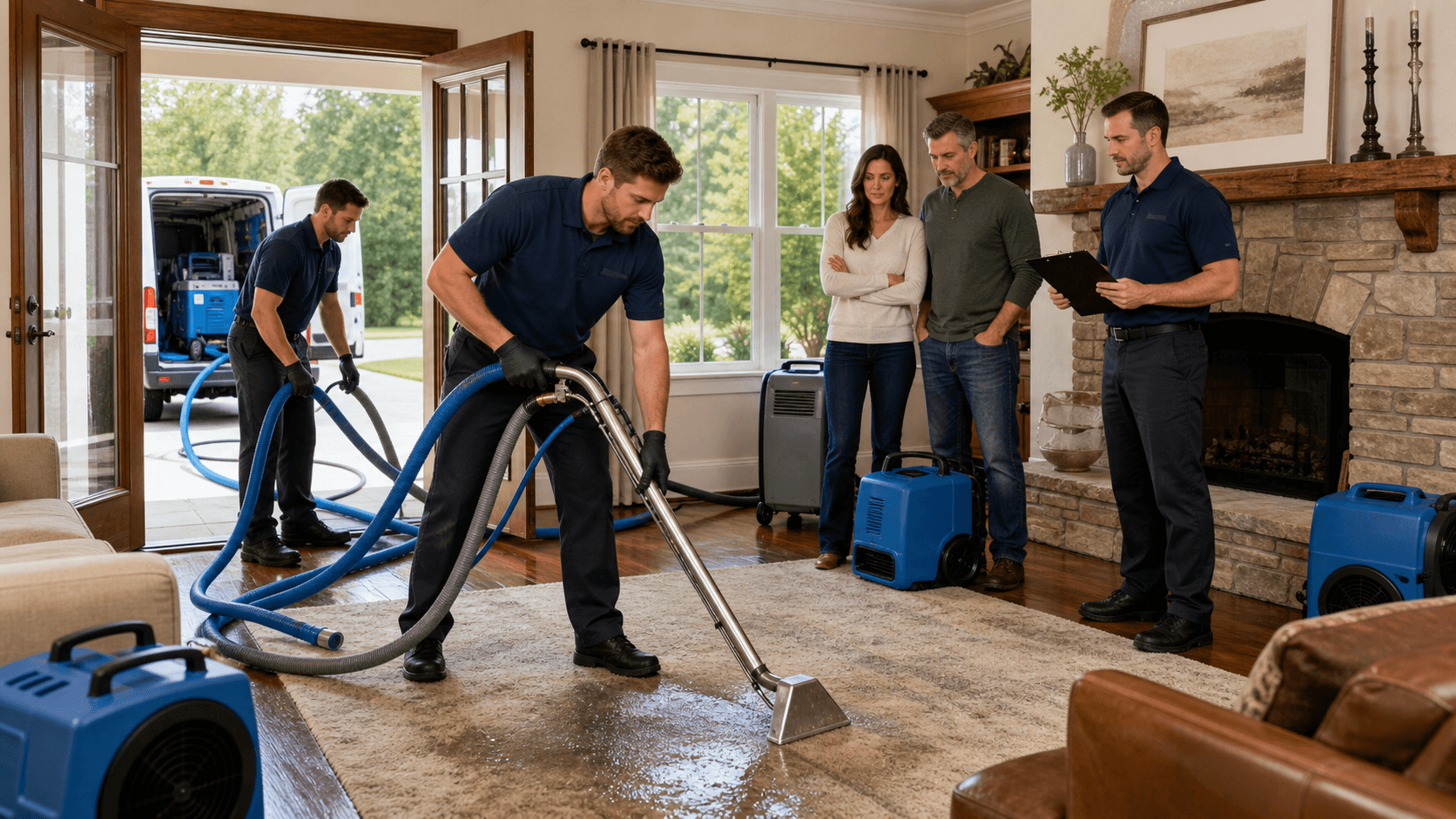
- Carpet and padding
- Furniture and rugs
- Boxes and personal items
Drying the structure means focusing on:
- Studs and wall framing
- Subfloors and floor joists
- Concrete slabs and foundation walls
Both matter for long-term safety and comfort. Proper structural drying supports mold prevention, helps keep your indoor air quality healthier, and helps protect the value of your home. At GreenStar HomePro, our three-generation team uses industry-standard equipment and methods built on decades of water damage restoration work.
How to Know You Need Structural Drying, Not Just Cleanup
So how can you tell if your Deerfield basement needs structural drying instead of a quick cleanup? Some signs are easy to spot, and some show up later if deeper moisture was missed.
Warning signs include:
- Recurring dampness in the same areas after rain
- Musty or earthy odors that do not go away
- Peeling paint or white powdery stains on basement walls
- Warped baseboards or trim pulling away from walls
- Buckling or cupping in wood or laminate flooring
Red flags right after a leak include:
- Water touching drywall, finished walls, or wood trim
- Standing water that sat for more than a few hours
- Water that entered from several places or backed up through drains
- Water reaching built-in cabinets or shelving
Even when everything feels "dry to the touch," moisture can still be hiding inside materials. Professionals use moisture meters to test deep inside wood and behind baseboards. Thermal imaging can show cooler, damp areas inside wall cavities or under flooring where water is still present.
Choosing structural drying in Deerfield early often means less damage overall. It can reduce how much material needs to be torn out, lower the risk of major reconstruction, and help avoid serious mold issues later. A seasoned, family-operated company can give you clear, honest guidance on when a light cleanup is enough and when deeper drying is needed to keep your home safe.
Choosing the Right Structural Drying Partner in Deerfield
When your basement is wet, it can be tempting to hire the first company you find. Taking a few minutes to ask good questions can make a big difference in how your home is treated.
Helpful questions to ask include:
- Are you licensed and insured?
- How long have you been in business?
- What training do your technicians have?
- What drying and monitoring equipment do you use?
- How will you keep me updated during the process?
Local, long-term experience matters. A company that has worked through decades of Chicago-area storms and basement leaks understands local construction styles, soil conditions, and seasonal humidity. They know how Deerfield homes are built and where water is most likely to travel and hide.
Being family-owned and operated also brings some real benefits. Values and standards pass from one generation to the next. There is a strong sense of accountability and pride, because the company name and family name are the same. GreenStar HomePro has deep roots in this region, and our focus is always on treating every basement as if it were part of our own home, with careful work and clear communication from start to finish.
Protect Your Basement Now and Be Ready for the Next Storm
When you notice dampness, leaks, or musty smells in your Deerfield basement, the most important thing is to act quickly. Waiting to "see if it dries out" can turn a simple drying job into a large restoration project with more damage and disruption.
A simple first-response checklist looks like this:
- Stay safe around electricity, and avoid walking through deep water
- Shut off water if a pipe or appliance is involved
- Move valuables and sentimental items out of the wet area if it is safe
- Take photos or video of visible damage for your records
- Contact a professional structural drying team as soon as possible
Looking ahead, a few proactive steps can help lower your risk during storm season in the Chicago area. Keep gutters and downspouts clear and pointed away from the foundation. Check that your sump pump is working and has a backup plan if power goes out. Seal obvious cracks in foundation walls, and consider a professional inspection after any significant leak event.
With the right plan and the right partner for structural drying in Deerfield, a basement leak does not have to turn into a long-term headache. Your home can be dried the right way, restored with care, and made ready for whatever the weather brings next.
Protect Your Deerfield Home From Lasting Water Damage Today
If your property has been hit by a leak or flood, acting quickly can mean the difference between a simple cleanup and major structural repairs. At GreenStar HomePro, we use proven techniques for structural drying in Deerfield to remove hidden moisture and help prevent mold growth. Reach out now so we can assess the damage, explain your options, and start restoring your home as soon as possible. If you are ready to schedule service or have questions, please contact us.