When Sewer Backups Turn Deerfield Homes Into Hazmat Zones
Sewer water in your home is not just a mess; it is a serious health problem. When wastewater comes up through a floor drain or toilet, it brings germs, foul odors, and hidden damage that can spread fast if it is not handled the right way.
In Deerfield, heavy summer rain can overwhelm local sewers and push dirty water into basements and lower levels. What starts as a small puddle around a drain can quickly turn into inches of black water, soaking carpets, drywall, and belongings. We are going to walk through what makes sewer backups so risky, the safest first steps, how professional cleanup works, and how you can help protect your home before the next storm.
Why Deerfield Homes Face Summer Sewer Backup Surprises
Short, intense storms are common around Deerfield, especially in early and mid-summer. When a strong downpour hits already wet ground, the municipal sewer system can get overloaded. The water has nowhere to go, so it looks for the lowest point it can find, which is often a basement floor drain or lower level bathroom.
Local homes face a few added challenges, such as:
- Older sewer lines that may be cracked or worn out
- Tree roots working their way into pipes and blocking the flow
- Sump pumps or drains that are tied into the sewer when they should not be
- Finished basements with carpet, drywall, and furniture at floor level
It helps to know the difference between a simple clog and a true sewer backup. A minor clog usually affects one sink or toilet and involves clean or lightly used water. A sewer backup typically shows dark, dirty water coming from floor drains, tubs, or multiple fixtures. At that point you are dealing with wastewater from the sewer line, and it needs a different level of response.
Hidden Health Dangers Lurking in Sewer Water
Sewer water is not just "dirty water." It often contains a mix of bacteria, viruses, and other germs from toilets, sinks, and drains. Common problems in sewage can include E. coli, Salmonella, and other microorganisms, along with chemicals that have washed down drains.
These germs spread easily by:
- Touching contaminated surfaces and then touching your eyes, nose, or mouth
- Breathing in tiny droplets or particles that dry on surfaces and get stirred up
- Tracking sewage into clean parts of the house on shoes or pets' paws
Short-term health issues can include skin rashes, nausea, vomiting, diarrhea, and trouble breathing, especially for people with asthma or allergies. Children, older adults, and anyone with a weaker immune system are at higher risk of getting sick from even limited exposure.
If cleanup is delayed, there is another problem: mold. Summer humidity around Deerfield can help mold grow quickly on wet carpet, drywall, and wood. Odors can linger, and materials that looked fine at first can become stained, warped, or unsafe over time.
Safe First Steps When Sewage Invades Your Deerfield Home
Safety should always come before saving belongings. If you notice sewer water coming into your home, try to stay calm and move carefully. A few early steps can help limit damage and protect your family.
Right away, you should:
- Keep children and pets far from the affected area
- Avoid using toilets, sinks, showers, or washing machines that could add more water
- Shut off power to the flooded area at the breaker box if you can do it without walking through water
Never walk barefoot or in regular shoes through sewage. If you must enter briefly, wear waterproof boots, gloves, and an N95 mask or similar face covering if you have one. Large or deep flooding is not a safe DIY project, even if you feel handy.
Try to:
- Close doors or set up plastic sheeting to block off affected rooms
- Open windows in the affected space if weather allows, but keep doors to clean rooms closed
- Take photos and videos of the damage before anything is moved, which can help with insurance
After that, it is safer to wait for trained help instead of trying to scoop or mop sewage on your own.
Professional Sewer Backup Cleaning in Deerfield Explained
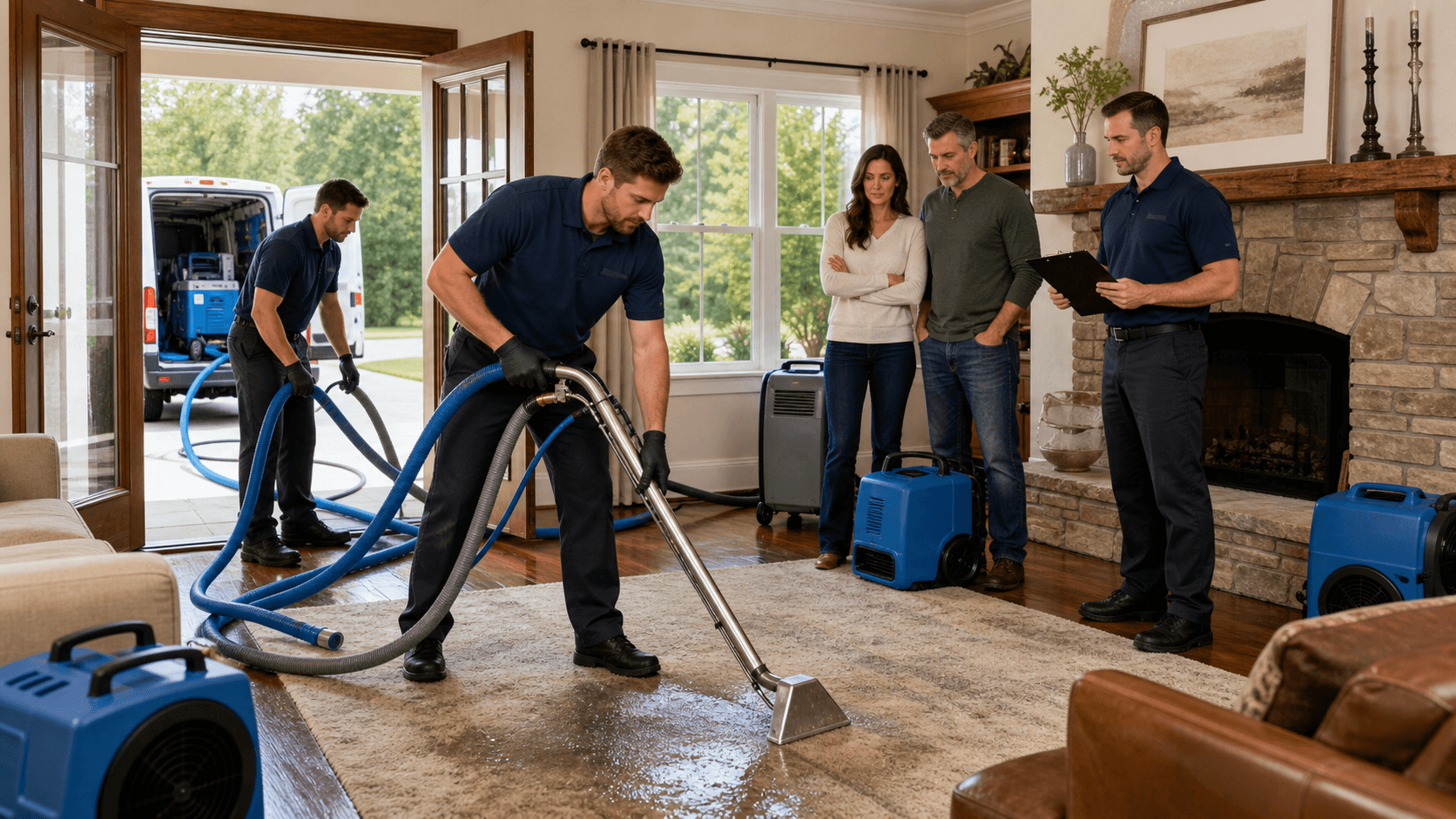
Professional sewer backup cleaning in Deerfield is a step-by-step process designed to protect health and restore your home as safely as possible. When we respond to a sewer backup, we start with a careful assessment of the source and how far the water has spread. We check walls, floors, and hidden spaces so nothing gets missed.
From there, the work usually includes:
- Pumping out and extracting standing water and sludge
- Removing unsalvageable items like soaked carpet padding or heavily damaged drywall
- Deep cleaning and disinfecting hard surfaces with appropriate products
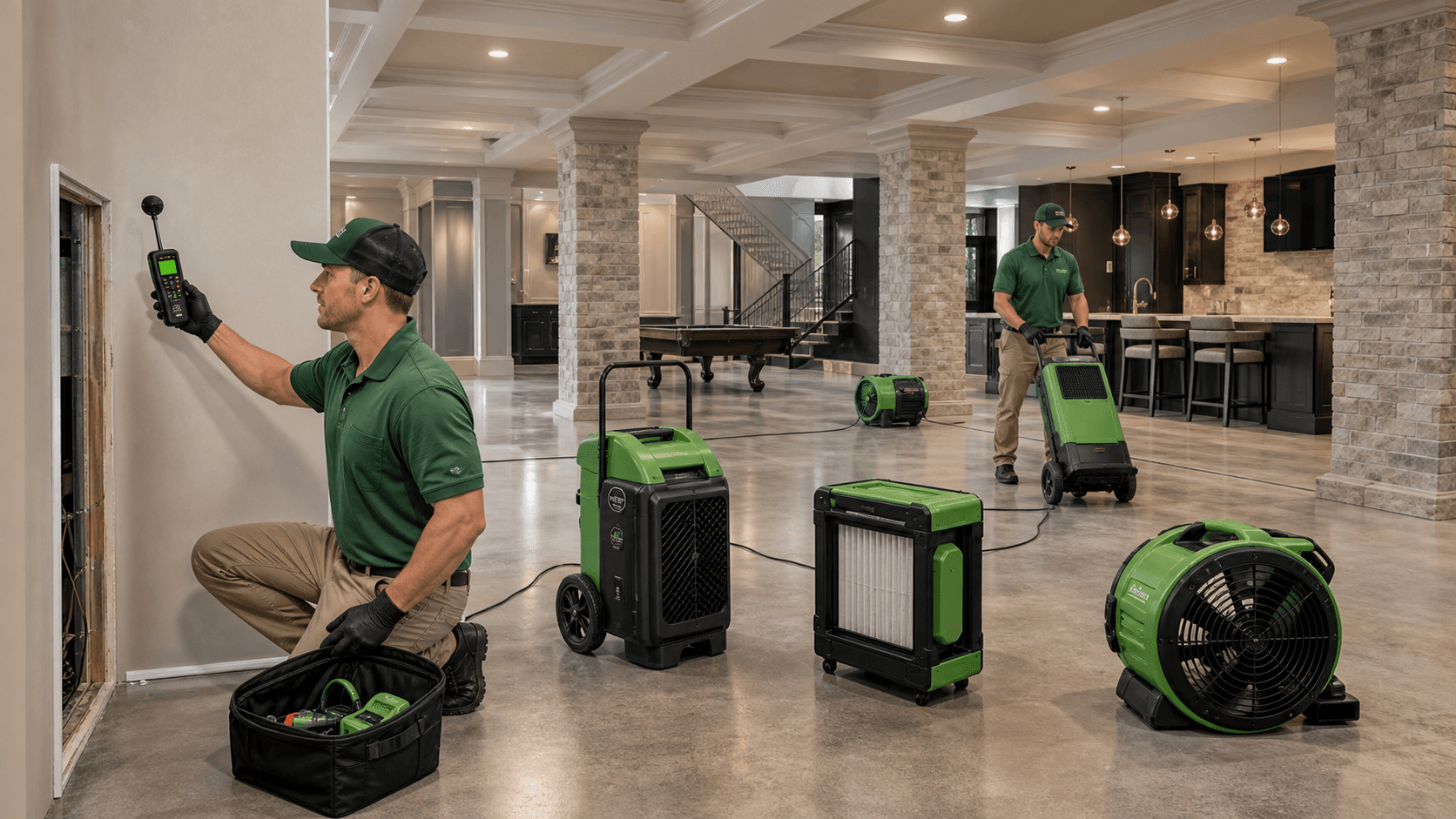
- Drying the area with fans, dehumidifiers, and moisture meters to track progress
We also use equipment like HEPA filtration to help filter particles from the air in affected areas. Antimicrobial treatments can help reduce the chance of mold growth on cleaned surfaces. The goal is not just to make things look better, but to clean what you cannot see, too.
Homeowners should bring in professionals when:
- A finished basement or multiple rooms are affected
- There is standing water that does not drain away quickly
- Backups reach an HVAC area, storage room, or living space
- Sewage issues have happened more than once in the same area
Trying to handle these situations without the right tools and training can leave behind moisture and contamination that show up later as stains, smells, or health concerns.
Protecting Your Deerfield Home From Future Sewage Disasters
While no one can control the weather, there are ways to lower the odds of another backup. Some fixes involve plumbing upgrades, while others are simple routine checks you can work into normal home care.
Helpful preventive steps include:
- Asking a licensed plumber about installing a backwater valve on the main sewer line
- Scheduling regular sewer line inspections, especially in older homes with big trees nearby
- Treating or clearing roots that have invaded pipes
- Testing sump pumps and backup pumps before storm season and after long dry periods
Around the house, you can also:
- Avoid flushing wipes, paper towels, hygiene products, or grease
- Make sure basement floor drains are clear and floor surfaces slope toward them, not away
- Store valuables, seasonal items, and paper goods in sealed bins raised off the floor
It also helps to review your insurance policy so you understand what is and is not covered when it comes to sewer backups. Having emergency numbers for trusted restoration and plumbing services handy can save time and stress when minutes matter.
Take Back Your Home Quickly After a Sewer Backup
Fast action after a sewer backup makes a big difference. The quicker contaminated water is removed, the better the chances of saving carpets, furniture, and building materials. Quick response can also help limit odors, reduce health risks, and cut down on mold growth in our warm, humid summer weather.
For Deerfield homeowners, the safest choice is to treat any sewer backup as a serious event, not a simple cleaning chore. When sewage is involved, it is not worth the risk of DIY cleanup, especially when the water is deep, the area is large, or the conditions are hot and sticky. Professional help can bring your home back to a clean, dry, and healthy state as quickly and safely as possible.
Get Started With Your Project Today
If you are dealing with a messy sewage issue, we are ready to help restore your home quickly and safely with professional sewer backup cleaning in Deerfield. At GreenStar HomePro, we use thorough cleaning methods to protect your property and your health. Reach out today so we can assess the damage and walk you through clear next steps. To schedule fast service or ask questions, just contact us.